So you’ve put an offer on an old home, and the sellers accepted – congratulations! Buying an old house is a unique and gratifying experience, and the next several months will be filled with a flurry of activity as you finalize your home purchase. One thing that might not be on your mind is home insurance.
Now is the time to start considering it, especially if you have an older home, which is quirkier to insure than a newer home.
Key Takeaways
- Homeowners insurance for older homes is vital to protect your home from theft, fire, smoke damage, wind or hail damage, vandalism, and more.
- Home insurance for an old house is typically more expensive than newer builds due to materials used or a lack of certain safety features
- Comparison shop insurance providers to get the best insurance rates
What Is Home Insurance, and Why Do You Need It?
Simply put, home insurance is property insurance, and its primary purpose is to protect your dwelling against losses or damages. There are different insurance types for various homes. For example, as a homeowner, you need different insurance for a house, condo, or townhome. You also need insurance if you are a renter.
Most lenders will require that you provide proof of a home insurance policy before advancing your mortgage funds.
Home insurance will also cover your personal belongings and your living expenses if you need to live somewhere else while your home is being repaired or rebuilt. Home insurance policies often offer extra riders for high-value items like jewelry, art, bicycles, and exterior buildings like sheds and garages.
While most older homes are detached homes and require home insurance, you might also need condo insurance if you live in an older condo. If you haven’t bought a home yet and want to insure your belongings, you’ll need renter’s insurance.
What Does Home Insurance Cover for My Old Home?
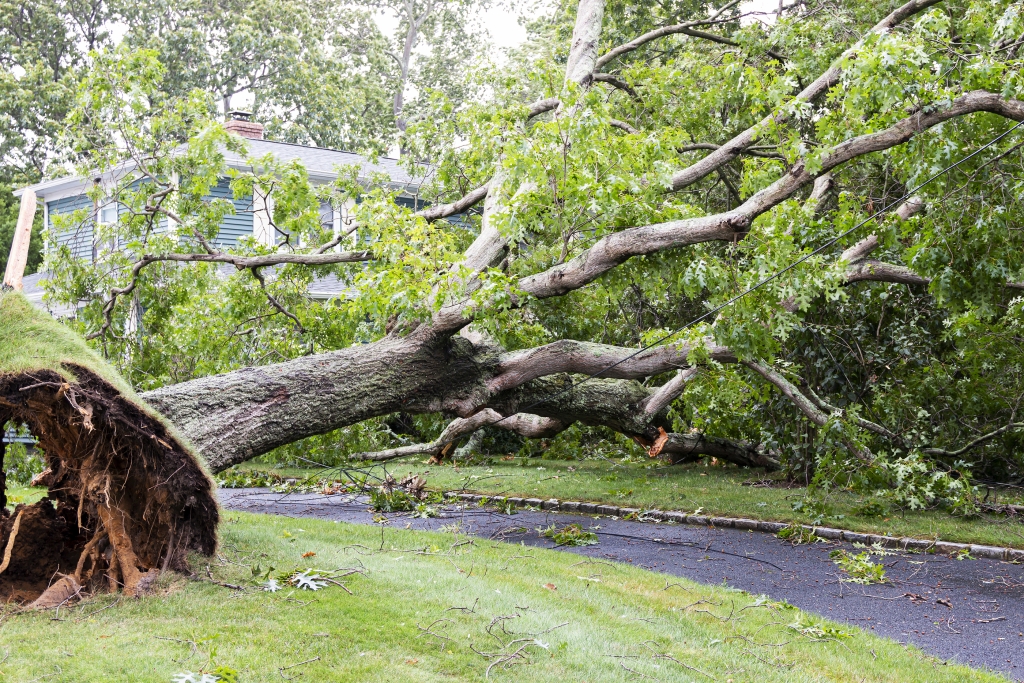
Home insurance is very customizable and may cover a large variety of situations, but here is the primary coverage offered by almost all home insurance policies:
- Damage or loss of your home
- Damage, theft, or loss of your possessions
- Any personal property stolen from your vehicle
- Damage or injury to others who visit your home or property
- Accidental damage you cause to someone else’s property
Generally, your home insurance will cover unexpected events like fire, windstorm, or theft. These are collectively referred to as “perils.” Depending on your policy, you might have to buy additional coverage for unforeseen events like earthquakes and flooding.
What doesn’t home insurance cover for my old home? Home insurance generally doesn’t cover expected or predictable events, like a roof replacement due to normal wear and tear or pipes freezing and bursting due to cold weather. If you don’t keep your home in good repair, your insurance company may not cover your claims.
For example, if your home’s roof collapses and the insurance company can establish that you neglected to repair your roof promptly, you may not be able to recover your claim.
Getting a home inspection before you purchase an older home is a wise investment. They can identify potential problems like fire hazards, outdated or problematic heating or plumbing systems, foundation issues and more. Early identification of these risks can help prevent future issues and the need to file a claim.
For example, if your home has a wood-burning stove, it’s crucial to find a home inspector who is WETT certified to ensure it is in proper working condition and not a fire hazard.
Common Causes of High Insurance Premiums in Old Homes
It’s common for older homes to have higher insurance premiums because they may have hazardous materials or lack certain safety features.
Here are some common causes of higher insurance rates:
- No wired smoke detectors – Battery-operated smoke detectors or not enough smoke detectors
- Wood-burning stove or fireplace – These old-style hearths are riskier than inserts or propane fireplaces
- Tree limbs – Poorly trimmed trees, especially those hanging over your roof
- Outdated electrical system – Ungrounded electric systems or knob and tube wiring
- Wooden siding – More susceptible to damage, water penetration, and mould than steel or vinyl
- Dirty or damaged chimney – Unlined and uncleaned chimneys are at a severe fire risk
- No security system – Older homes are frequently without security systems
- Oil tank – Presents the risk of leakage and environmental damage
- Old plumbing – Cast iron plumbing is at greater risk for leakage
- Hazardous materials – Asbestos, lead paint, and radon can all pose health risks and increase the cost of insurance
When you apply for an insurance policy, your application or questionnaire will ask you questions about all of these systems to determine the risk of insuring your home, which will impact your premium.
After home renovations or updates such as replacing fuel tanks, updating the plumbing or wiring or replacing the roof, you should notify your insurance company. These upgrades may bring down the price of your homeowners insurance policy as new systems are less risky to insure.
What Do I Need Before Applying for Home Insurance?

Acquiring homeowner’s insurance is one of the many tasks you’ll need to complete when closing on your home, so it’s wise to have all of your documentation at your fingertips before you get started.
Here’s what your provider will need when you apply for homeowner’s insurance for an older house:
- The home’s address
- Whether you’ve ever had an active home or tenant’s insurance policy
- Whether the house will be your primary residence
- Do you intend to rent out part of the home
- Whether the home is currently being renovated
- The type of electrical wiring
- The type of plumbing
- The heating system and whether there is an oil tank
- If you will conduct business from the home
- Whether there are smoke detectors, CO2 detectors, and fire extinguishers, and how many
- Whether you need additional coverage for personal property like art or jewelry
- If there is a mortgage on the home
After you apply for homeowners insurance, your insurance provider may send out an appraiser before approving insurance for an old house. After an appraiser does their inspection, they may provide a list of updates needed and your home insurance will be conditionally approved until the updates are made.
Where Can You Buy Home Insurance for an Old Home?
Most insurance companies will insure older homes since much of Canada’s housing stock is considered more senior.
That said, some insurance companies refuse to insure older homes with outdated electrical and plumbing, particularly homes with knob and tube wiring. For this reason, we recommend you shop around and use a rate comparison website to find a home insurance policy with the lowest possible rate for your home’s specific characteristics and coverage needs.
Rate comparison websites require you to fill out a questionnaire online, and with that information, they’ll find the lowest rate for you. You’ll then complete your insurance application through that provider, who will provide the proof of insurance you need to purchase your home.
What Determines My Home Insurance Cost
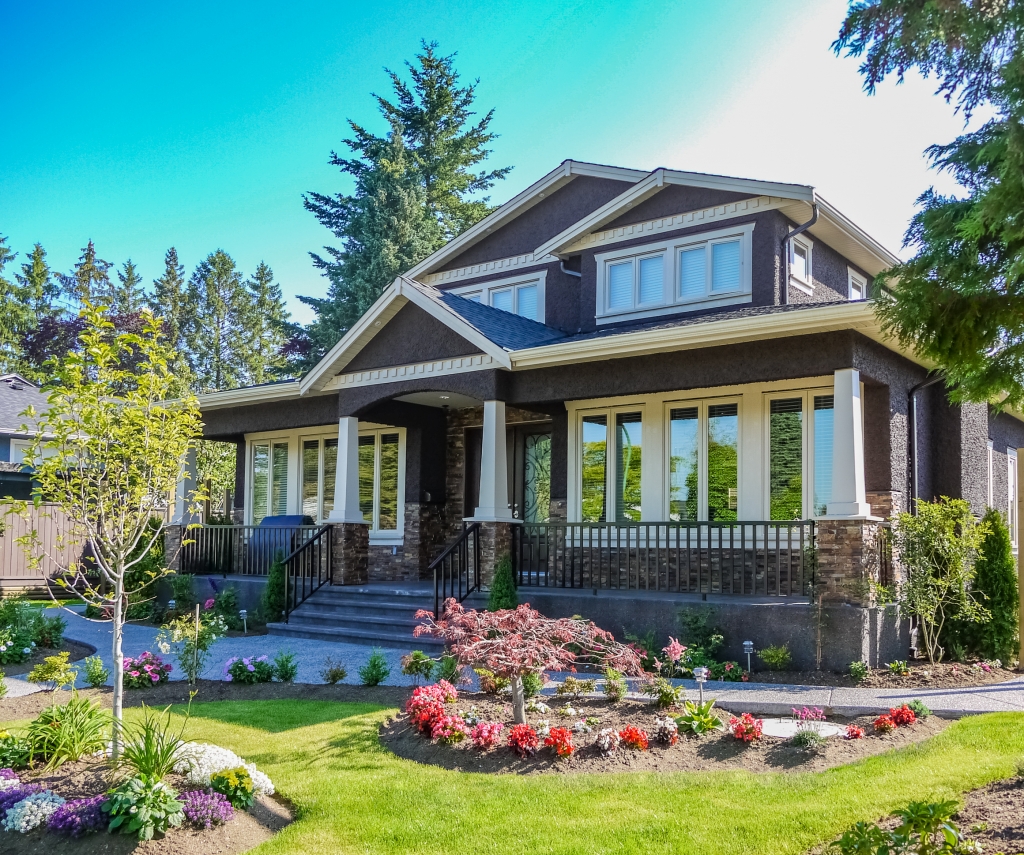
You’ll keep your home insurance policy in good standing by paying a monthly or annual “premium.” All insurance policies, including tenant and car policies, require you to pay a premium. Your premium is calculated based on three primary factors.
Your Coverage
As we mentioned above, the coverage you choose is highly customizable. For example, suppose you opt for extra protection of your personal belongings because you have an expensive art collection. This will increase the insurance policy’s potential payout and, therefore, your premium. If you opt for a bare-bones or no-frills approach, your premium will be lower.
Your Deductible
Your deductible is the amount you’ll have to pay out of pocket before your insurance kicks in to cover the rest of your claim. For example, if you have a claim for $8,000, and your deductible is $1,000, you’ll need to pay $1,000, and your insurance will pay the other $7,000. Choosing a lower deductible will raise your premium, and selecting a higher deductible will lower your premium.
Your Home’s Characteristics
Your home’s building characteristics influence your home insurance premium. For example, if your home has galvanized steel plumbing or knob and tube wiring, your home is considered riskier to insure, and your premiums will be higher.
How to Get the Lowest Insurance Rate for an Older Home

While your homeowner insurance rate is mainly dependent on the coverage you need, your premiums, and your home’s characteristics, there are some strategies that you can use to get a lower rate, which will leave more room in your monthly budget.
They include:
- Bundling policies – if you need auto insurance too, you could get a discount by keeping both policies with the same insurer
- Alum discounts – check with your alma mater to see if your degree qualifies you for a deal with a specific insurer
- Increasing your deductible – the higher the deductible, the lower your premium
- Paying your premium annually – instead of monthly
- Adding features – Adding smoke detectors and security alarms
- Being claims-free – check back after a year and ask if being claims-free reduces your premium
How Do You File an Insurance Claim on an Older Property?
In an ideal world, you’ll never have to file an insurance claim for your old home. Unfortunately, sometimes the worst happens, and when it does, your insurance will be there to help you out financially.
Before you file a claim, consider whether it is worthwhile since filing will most likely raise your premium. For example, if your deductible is $1,000 and you plan to make a $1,500 claim, is raising your premium for years for a $500 cheque worthwhile?
If you determine that it is worthwhile to file a claim, you’ll check with your insurance provider to decide whether or not you can make a claim online, via their mobile app, or over the phone. You’ll most likely need your policy number for this process. When you file a claim, you’ll be assigned an insurance adjuster, who will walk you through the process step-by-step.