

Before buying a home, hiring an independent home inspector to review the property is crucial. After all, you want to be confident that you’re making a wise investment, and you certainly don’t want to get stuck with expensive repairs that could have been avoided.
When the real estate market was soaring a few years ago, it was common for homebuyers to forgo home inspections as they had to sign offers without common conditions to be competitive in a hot market. Unfortunately, forgoing a home inspection left many homebuyers with properties in need of expensive repairs. One couple admitted to CBC that the home they purchased needed significant repairs that could wind up costing over $50,000.
Fortunately, home inspections are becoming common again as Canada’s housing market shifts toward balance. This shift is excellent news for homebuyers looking to hire the services of a home inspector. In our 2023 housing market report, only 36% of home buyers hired a home inspector. However, in our 2024 report, home inspector use rebounded to 41%, making them the second-most commonly used real estate professional behind real estate agents.
But how do you find knowledgeable home inspectors in your city? Let’s dive into what you should look for to ensure that you get your money’s worth.
Key Takeaways
- Before you finalize the closing on the purchase of a home, you’ll want to spend the money on hiring a quality home inspector to ensure that the property is in good condition.
- You may want to avoid hiring the property inspector the real estate agent recommends, as they may have a vested interest in trying to help secure the transaction.
- Find a good home inspector by reviewing their credentials and experience to ensure they’ll perform a thorough assessment. You could start by requesting a referral from a friend to ensure you find the right person for the job.
What is a Home Inspection?
A thorough home inspection is a two to three-hour inspection performed by a licensed professional that reviews the condition of the home you plan to purchase. A home inspector will review the home’s mechanical systems and structural components. They will then provide a detailed written report on their findings, which you can use to make an informed decision about the home’s condition.
Your home inspector will visit the property to thoroughly assess all parts of the home, including the following:
- Electrical
- Windows
- Heating system
- Plumbing
- Roofing
- Foundation
- Appliances
- Basement
- Attic
The home inspector may even use special tools to check moisture levels and try to detect any hazardous materials like lead or asbestos.
How to Find a Home Inspector
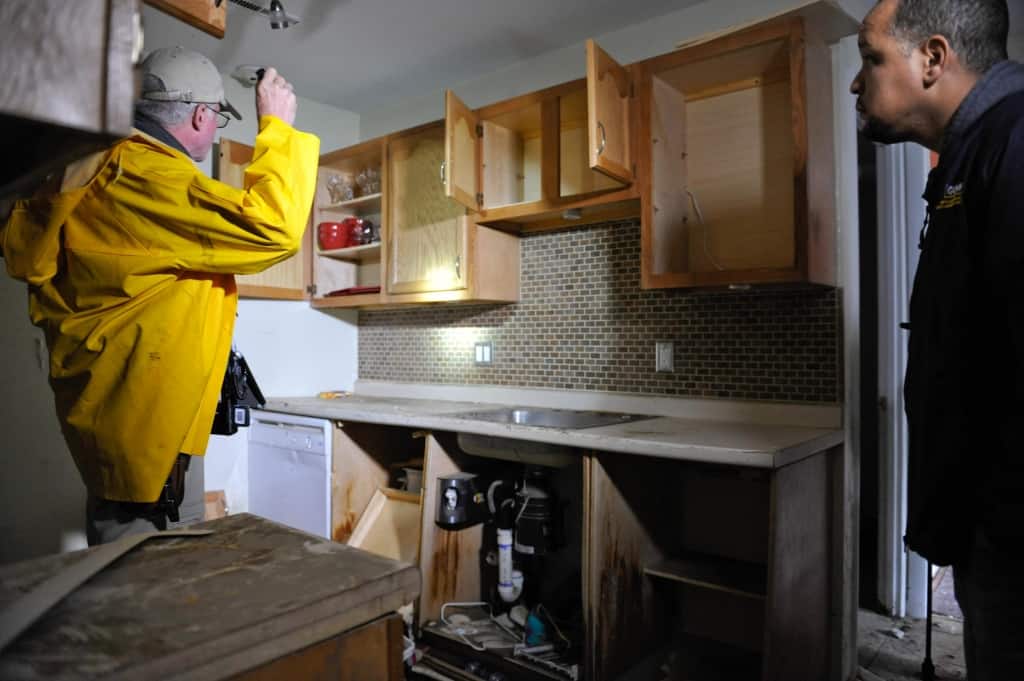
Finding a home inspector you trust can be challenging, especially if this is your first time going through the process. It’s tempting to go with the first option you find on Google, but here are the best tips for finding a good home inspector.
Avoid Your Real Estate Agent’s Recommendation
Since your real estate agent will likely want to close the deal to get their commission, choosing an inspector they recommend would create a conflict of interest.
Verify Their Credentials and Experience
You’ll want to review their credentials when looking for a good home inspector. After you confirm that the home inspector has all the required certifications, find out whether they are members of a professional association. Examples include the Canadian Association of Home & Property Inspectors (CAHPI) and the Canadian National Association of Certified Home Inspectors, Inc. (CanNACHI).
According to Angi, you should try to find a home inspector with at least three to five years of full-time experience in the field so they don’t miss anything. You should also choose a home inspector with experience in the type of home you are buying, for example, one with particular experience with century homes if you are buying an older home, or vacation properties if you are buying a cottage.
What Does a Home Inspection Not Provide?
While a home inspection will give you a better assessment of the health of the home, from the appliances to HVAC systems, there are limitations. Home inspectors cannot examine elements within a home that are covered or hidden. So, for example, if a homeowner has stacked a dozen boxes in front of the electrical panel, your inspector won’t be able to inspect that integral home component. Therefore, it’s always a good idea to request for easy access to all critical systems within the home.
There are also limitations to the inspector’s liability and what they can discover since they’re only in the home for a few hours. Per the standards and guidelines at CAHPI, a home inspection is mainly visual and won’t always uncover any concealed or latent defects.
What to Expect From a Home Inspection

During the walkthrough, the inspector will point out areas of deficiency—spots that require replacement or repair. While the inspector will record this information in the final report, it is best to ask questions and get more information about the major issues during the walkthrough. Home inspections can take up to three hours, but it will depend on the property size.
Depending on your inspector, they may also use technology like thermal imaging and moisture meters to look for any damages that can’t be detected with a visual inspection. When the inspection is done, you can review the report to determine how to proceed.
How Much Does a Home Inspection Cost?
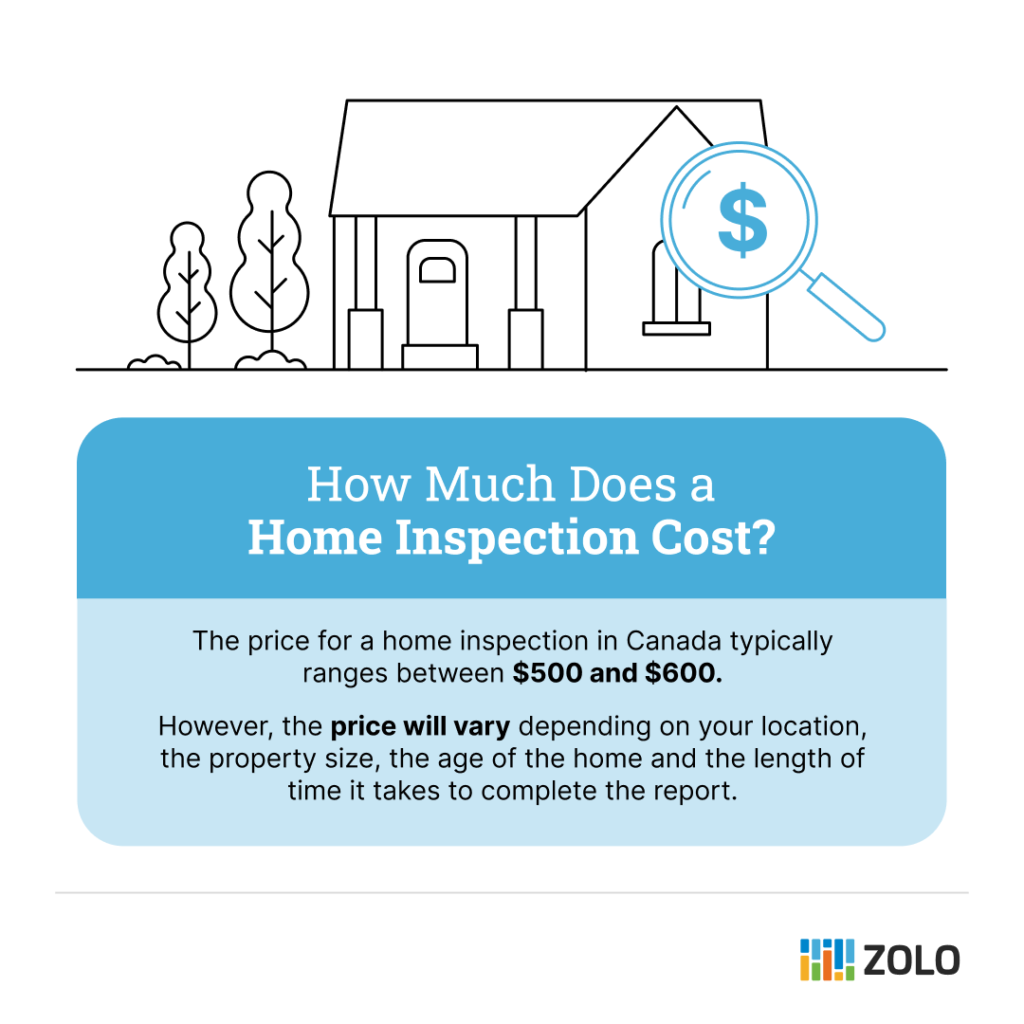
According to Global News, a typical inspection costs between $550 and $600. MoneySense found that the price across Canada ranges between $500 and $600.
The cost depends on the property size, the season and demand, the age of the home, and the length of time it takes to complete the report. The amount you’ll spend on a home inspector will depend on their experience level and property type.
Always ask for an upfront price or estimate from potential inspectors. When you get a low-ball price, please pay attention to how long they’ll be at the property and their professional qualifications for performing this job.
What If a Home Inspection Reveals Problems?
Once the inspection is complete, you’ll want to read the report. The inspection report is an excellent tool for determining what’s wrong with your home. In addition, you can use any flaws or defects found as leverage to negotiate a lower purchase price.
The whole point of a home inspection is to ensure you’re not purchasing a property with underlying issues that could be expensive to fix. Sometimes, the inspection will reveal problems, and your options as a buyer are:
- Negotiate with the seller – If the inspector finds significant problems, you can use those findings to negotiate with the seller. You may negotiate to have the issues fixed or for a reduction in the purchase price.
- Walk away – If the damages and repairs seem extensive, you can walk away from the deal if the closing is conditional on the home inspection.
- Handle the fixes yourself – If you’re keen on purchasing this home, you can choose to proceed with the purchase and manage the repairs yourself.
How to Find a Home Inspector FAQ
Here are some of the most common questions about how to find a good home inspector.
How do I find a local home inspector?
You should request a referral from someone in your social circle who has recently purchased a home, or ask your city’s subreddit. Since you’re likely devoting your life savings to this purchase, you want a trusted home inspector. You’ll also want your home inspection checklist to cover the possible significant issues so you don’t get stuck with expensive repairs.
How much does a home inspection cost in Ontario?
A home inspection in Ontario can cost anywhere from $300 to $600, depending on the size and location. For example, a friend recently paid $700 for a home inspection because it was a bigger home, and they requested thermal imaging to determine whether there were any moisture or insulation issues.
Are home inspectors regulated in Canada?
Many homeowners assume that home inspectors have licenses and regulations across Canada. Unfortunately, this is not the case. In the 1990s, the National Home Inspector Certification Council (NHICC) was established to oversee standards and develop a national designation. As a result, home inspectors who complete the program become National Home Inspectors in Canada.
However, having this certification and title is optional. Furthermore, while the NHICC program is backed by multiple stakeholders, such as the Canadian Real Estate Association (CREA) and the Canada Mortgage and Housing Corporation (CMHC), there is nothing in place to prompt widespread adoption of this designation.
