
Purchasing your first home is exciting but also overwhelming. This milestone comes with many challenges, making the process both daunting and confusing. One often overlooked task is getting home insurance.
We’ve created a Guide to Getting the Best Home Insurance in Canada to protect your home, family, and finances. In this guide, you learn what home insurance should cover, the best ways to reduce the cost of home insurance and how to find the best home insurance policy for your needs.
Key Takeaways
- Homeowners insurance is important in order to protect your home and contents from perils such as fire, theft, vandalism, windstorms, and more.
- Insurance brokers can help you find the most affordable insurance for your unique situation.
- If your situation changes, you should update your homeowners insurance policy. Cancelling your policy early may result in a penalty fee.
What Is Home Insurance?

Home insurance is a type of property insurance that covers your private residence. This insurance will help you protect your home from unexpected losses called perils. Depending on your policy, your insurance company will pay you directly if your property sustains damage.
Home insurance often covers:
- Your dwelling – Insurance will cover repairs to your home or rebuilding it when a covered event occurs, such as a fire, theft, vandalism, windstorms, or accidental damage.
- Other structures on your property – Most standard policies list additional structures separately, including outbuildings such as detached garages, tool sheds or gazebos.
- Your personal property – Most policies cover damage to your furnishings, recreational equipment, clothing, and appliances. That said, your policy may limit personal property reimbursement to a percentage of the total dwelling claim.
- Valuable items – Certain items like collectables, sports equipment, electronics, art and jewelry can be covered by an extra add-on to your insurance (called a “rider”).
- Personal liability – Personal liability will pay your legal costs if someone is injured on your property.
- No-fault medical coverage – This no-fault medical coverage can cover someone injured on your property and requires one-time or ongoing medical care.
- Additional living expenses – This policy pays the additional costs of living elsewhere if your home becomes uninhabitable due to a fire, storm or other insured event.
Ultimately, your home insurance coverage is there to help provide financial support in emergencies.
When submit a home insurance claim, your home insurance provider depends on your account of the situation. So it’s essential to keep detailed notes and take plenty of photos, to help support your claim.
Why Do Homeowners Need Home Insurance?
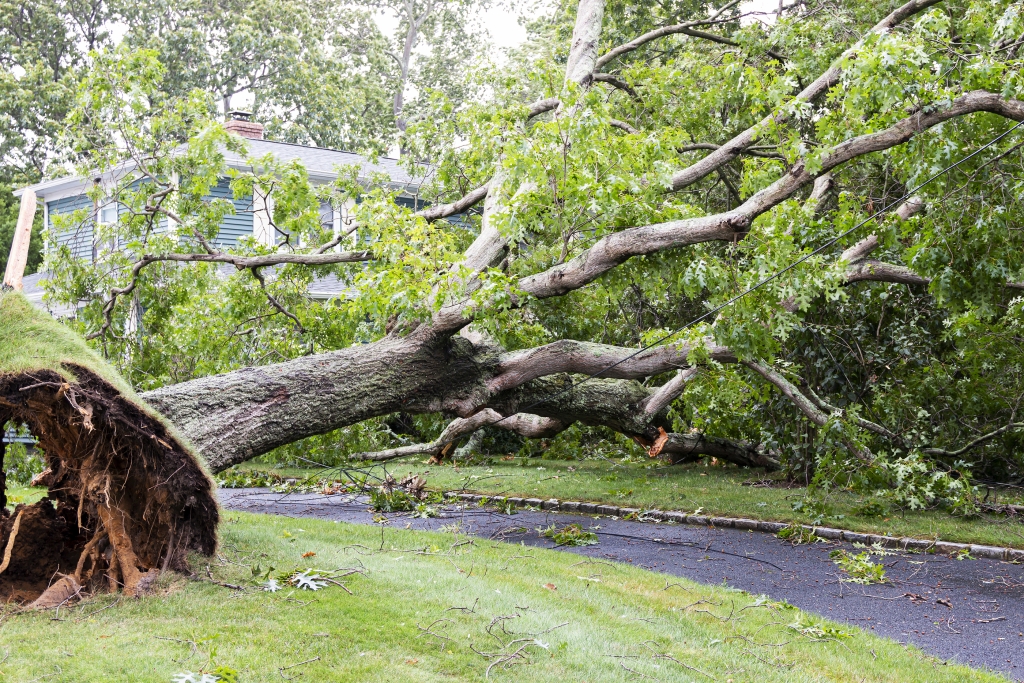
Homeowner’s insurance isn’t a luxury. It’s a vital part of a solid financial plan and a necessity if you make regular mortgage payments. Almost all mortgage lenders generally require home buyers to get insurance coverage for the full replacement value of the home. Some mortgage lenders require proof of an active home insurance policy before financing a home purchase, and these lenders may deny you financing or even recall your loan if you neglect to keep an active home insurance policy.
Even if you no longer have a mortgage on your home, homeowner’s insurance protects you from covering the cost of damage or a full home replacement. In addition, they provide you with personal liability protection.
What Are the Best Home Insurance Companies in Canada
Choosing a home insurance company and determining how much coverage you need can be tedious. A licensed broker can help you track down good deals from insurance companies. A 2019 study from J.D. Power ranked the best insurance companies in Canada according to customer experiences. The study looked at factors like price, policy offerings and other criteria.
Some of the highest-ranked companies, according to J.D. Power, include:
- Allstate – Available in Alberta, Ontario, Quebec, New Brunswick and Nova Scotia, Allstate offers property insurance, auto insurance as well as insurance for pets, travel, small businesses and more.
- Industrial Alliance – Also called iA Financial Group, their home insurance products are only available in Quebec.
- Intact Insurance – Available in every province, Intact Insurance is the largest home, auto and business insurance in Canada.
- TD Insurance – TD home insurance products are available nationwide and by purchasing online, you can save 10% on your first policy term.
- The Co-Operators – Available nationwide, the Co-Operators offer a variety of insurance products like home, life, auto, business and travel insurance.
- Belairdirect – Available in British Columbia, Alberta, Ontario, Quebec, New Brunswick, Prince Edward Island, Nova Scotia and Newfoundland and Labrador. Belairdirect offers car, home, condo, tenant and seasonal vehicle insurance.
- Economical Insurance – Originally created to protect farmers in Kitchener Ontario, Economical Insurance now offers home, auto, cottage, and seasonal vehicle insurance across Canada.
- RBC Insurance – Available across Canada, RBC Insurance is provided by Avivva General Insurance Company. They many insurance products such as life, home, auto, travel and health insurance.
- The Personal – Also available across Canada, The Personal offers many insurance products such as home, auto, pet, travel and recreational vehicle insurance.
Where to Get Home Insurance Quotes

Many people start by getting home insurance quotes online. However, searching and comparing rates yourself can be tedious, which is why an insurance broker comes in handy. An insurance broker represents consumers in their search for home insurance. They can sell policies from several different insurance companies to get you the best price.
Brokers differ from insurance agents, who typically represent one single company. The exception is independent insurance agents who may represent several companies.
In summary, insurance brokers represent you as a consumer, and agents represent the insurance providers.
Where to Get Home Insurance Quotes Ontario
In Ontario, insurance brokers are self-governed by the Registered Insurance Brokers of Ontario (RIBO). To find a registered broker, you can search the Ontario Brokers website. According to J.D. Power, The Co-operators is the highest-ranked insurance provider in the Atlantic/Ontario region.
Where to Get Home Insurance Quotes British Columbia
According to J.D. Power, BCAA is the highest-ranked insurance provider in the western region, followed by The Co-operators. In British Columbia, it’s important to consider adding earthquake coverage to your policy, as parts of B.C. have the highest earthquake risk in Canada.
How Much Does Home Insurance Cost?
The cost of homeowners insurance depends on several factors, including where you live, the type and condition of the home you buy, and the amount of coverage you require. According to Ratehub.ca, the average cost of home insurance in Canada is about $960 per year. However, this varies by province. For example, the average cost in Ontario is $1250 per year, and the average cost in Newfoundland is $780 per year.
How To Compare Home Insurance
Whether you work with a broker or conduct your own online search for home insurance policy coverage, the monthly payment is not the only factor you should consider.
There are several different types of home insurance, including:
- Comprehensive – Sometimes called “all risk” insurance, this covers the dwelling and the contents from all risks, except those specifically excluded in the policy.
- Broad – Covers the dwelling if it is damaged or destroyed, however, it typically only covers contents from perils specifically listed in the policy.
- Basic or named peril – This type of insurance covers you for the perils specifically listed in your insurance policy. It may be best for a cottage rather than your permanent residence.
- No-frills – Offered by some insurers, no-fills insurance can cover a property that doesn’t meet typical insurance standards until restoration or renovations are made.
When comparing rates from different home insurance providers, make sure you are comparing apples to apples. For instance, make sure both quotes you are comparing are the same coverage type, deductible amounts, and coverage limits.
While choosing cheaper home insurance premiums may be tempting, a less expensive policy may not cover you for what you need, especially if you own expensive equipment or collectibles.
Additional Coverage Options for Your Homeowner Insurance
Sometimes, your situation may require more than the base home insurance coverage. Additional coverage, also known as endorsements, helps cover you beyond your primary coverage and policy limit. Here are some of the extra coverage options you may want to consider:
- Extended/overland water coverage – Water damage usually is already covered in your home insurance policy. However, you can add coverage for events such as water entering your home because of snow, rain or ice dams.
- Sewer backup coverage – This optional coverage to your homeowners insurance policy will cover damage from a sewer backup into your home. These claims can be common in areas with a low water table and heavy rainfall, like Eastern Ontario.
- Identity theft coverage – Another extra coverage option is for identity theft. Your insurance provider can help you restore your identity and reimburse you for any legal fees you incur.
- Scheduled items coverage – If the policy limit for certain items, such as jewelry, bicycles, musical instruments, or sports equipment doesn’t meet your needs, you can increase the coverage limit for these items.
Tips for Getting the Best Possible Rate
Taking the time to compare different policies is important, but to get the best possible rate for the most coverage, use these three tips:

You can also save by bundling with your auto insurance, adding safety features, looking for alum discounts or paying your insurance premiums annually.
How to Cancel or Change Homeowners Insurance

There are a few instances when you should change or update your insurance policy, including moving to a new property, or experiencing a significant life event like a marriage, divorce, childbirth or death.
If you recently purchased your first home and have since decided that your current policy isn’t the best home insurance for you, you can take steps to cancel or change your policy. However, you may be charged a penalty.
The best time to change or cancel your policy is during your annual renewal. If you do not want to wait until this time, you may face a “short rate” penalty. If this is the case, weigh the pros and cons of your desired decision. Regardless of the outcome, make sure there aren’t any coverage gaps. This extra due diligence will ensure your home is well-insured during emergency situations.
Get The Best Home Insurance in Canada
Although you hope never to need it, the benefits of home insurance are too important to risk living without it. Compare home insurance quotes from multiple companies to get the best coveragee for your unique situation.
Above all, a thorough review of your home insurance policy and documenting every detail in an emergency can help set you up for success.
