

When closing on your home, you’ll need to complete many tasks, from getting your home inspection to finalizing your financing to meeting with your real estate lawyer. But another essential part of the process is getting home insurance. If you’ve never applied for homeowners insurance before, there is a lot to learn. This quick primer will help you learn everything you need to know to get a policy in place before your closing date.
Home insurance is a form of coverage that helps protect your property and belongings in cases of loss, theft, or damage. It can also work as liability coverage and covers accidents in the home or on the property. Your policy may also cover any living expenses should you be forced to stay elsewhere (e.g., a hotel) if your property is damaged and needs repairs.
How Does Home Insurance Work?
Home insurance provides coverage in exchange for a monthly or annual fee (called the premium). If your home is damaged, you’ll make a claim, and your provider will pay for the repairs minus an up-front fee (called a deductible). If someone is injured on your property, your insurance’s liability coverage will pay for their damages and rehabilitation.
Home Insurance vs Mortgage Insurance
While both relate to your property, home insurance and mortgage insurance differ. Homeowners insurance protects your space and personal property against theft and damage. As the homeowner, you get the payout.
Mortgage insurance, also called mortgage default insurance, is designed to protect your lender if you stop making payments on your mortgage. This type of insurance protects your mortgage lender, not you, and is usually required for any mortgage where your down payment is less than 20% of the value of the time. Mortgage default insurance is charged as a premium and added to your mortgage balance when you buy your house, condo, or townhouse, and you’ll pay it off over time.
What Does Home Insurance Cover?

There are multiple different types of property insurance coverage. Homeowners insurance often includes a combination of two types of coverage: protection for personal property and liability coverage.
Here’s what home insurance covers:
- Fire damage
- Wind damage
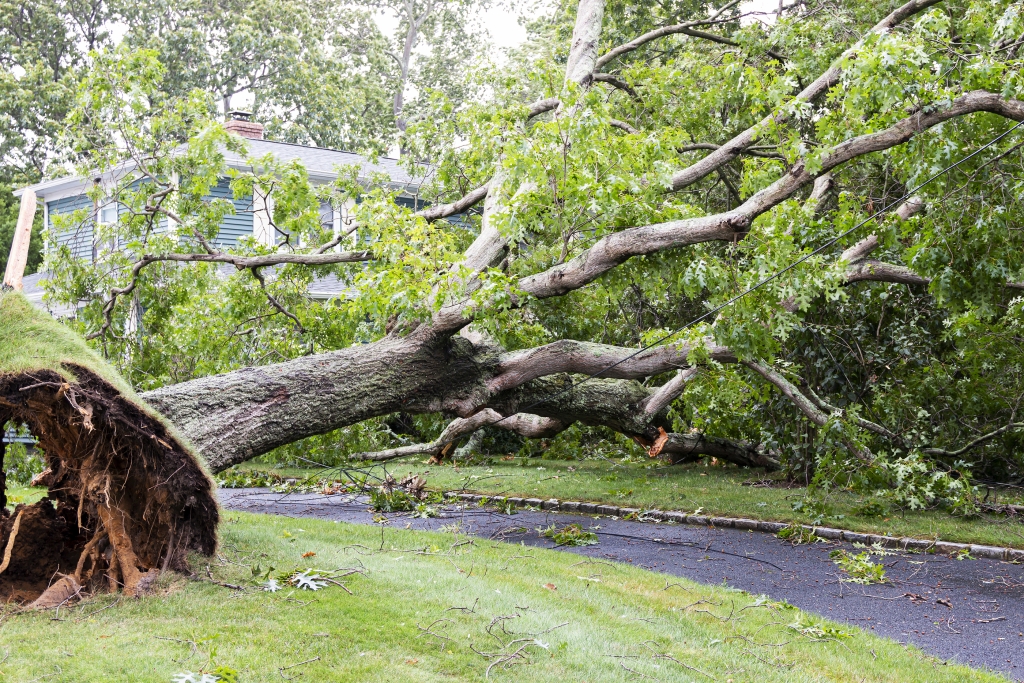
- Storm damage (ie, fallen trees or hail damage)
- Theft or damage of personal possessions
- Personal property stolen from your vehicle
- Damage or injury to others who visit your home or property
- Liability coverage, including accidental damage you cause to someone else’s property
Your policy may not cover all events, so read the fine print. If necessary, you may be able to add additional coverage. For example, earthquake and flooding coverage are often excluded from standard policies, but you can usually add this coverage for an extra fee.
Do I Need to Have Insurance on My Home in Canada?
Unlike other types of insurance, property insurance is not legally required in Canada. However, most mortgage lenders will require you to have it and may not approve your mortgage without it. Even if you own your property outright, maintaining coverage is still smart. As you can see from the list above, insurance coverage protects you and your family members against damage to your property and covers you in cases of personal liability. Resting easy knowing you and your biggest asset are safe is better.
Paying for a policy that you don’t need may sound like a waste of money. However, should something happen, it’s an incredibly helpful protection that can save you and your family thousands of dollars.
How Much Does Home Insurance Coverage Cost?
The average home insurance cost in Canada is $960 per year. That said, the cost of your policy depends on several factors, including:
- The value of your home
- Location
- The age of your home
- How it’s heated
- Your home’s proximity to fire hydrants and fire stations
You can get a quote from different insurance companies to compare your options
Note that you may be able to save on your premiums by bundling other policies (like auto) with the same lender, taking advantage of discounts or deals available to employer groups or professional organizations, or upgrading your home. For example, adding a security system to your house can help reduce your rate.
Where to Buy Home Insurance

You can buy homeowners insurance from several different providers across Canada. Your best bet is to get multiple quotes from different providers to compare. Many providers allow you to do this easily online from the comfort of your home. Some popular companies across Canada to consider include:
- ThinkInsure
- Allstate
- Desjardins
- Intact
- TD
- The Co-Operators
- Sonnet
Websites such as rates.ca and LowestRates can also be incredibly handy when shopping for home insurance because they allow you to compare quotes from multiple home insurance providers at once.
Once you have your quotes, compare and choose one of the best options. At this point, you can compare the fine details, compare pricing for additional coverage if that is something you think you might want, and even ask for discounts by bundling your insurance policy with your auto insurance policy. When you have decided on the best fit for you, ask for a final quote from your insurance company of choice with all inclusions. As always, be sure to read the fine print.
File a Claim with Your Insurance Company Step-by-Step
If you need to file a claim, these are the basic steps to follow.
- Document everything – As long as it is safe, take photos, make notes, and keep damaged items. Collect receipts and proof of purchase if possible, and keep any receipts for clean-up along with police reports.
- Contact your insurance – Most companies have a 24-hour claim rule, so be timely. If your home is unfit to live in, ask about additional living expenses if included in your policy. If yes, keep all receipts.
- File your claim – Again, you may have a certain window of time in which this needs to be done, so make sure to follow that.
They say home is where the heart is. Not only is it a shelter to keep you warm and safe, but your home is also a place filled with memories, special possessions, and items you have worked hard to earn, buy, or curate to create your space. Your home will likely be the biggest investment of your life, so make sure to protect it with a policy from a reputable company.
