
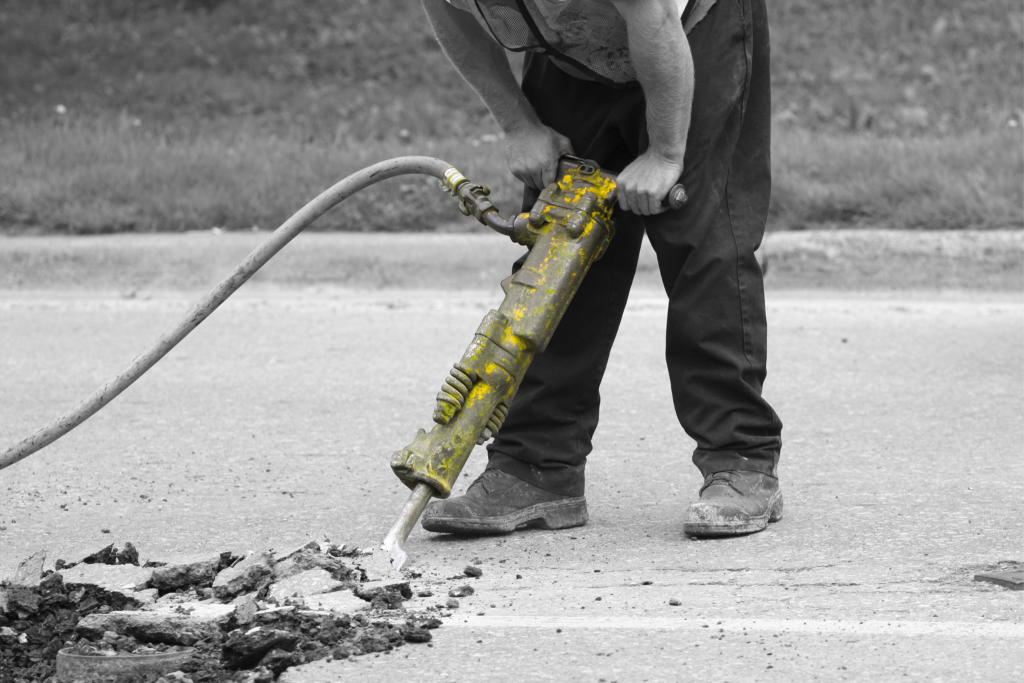
Construction trucks beeping as they reverse. Children yelling to their friends across the street. Dogs barking at a stranger walking by. Canada is a great place to call home, but if you live in a major city, you’ll likely have to deal with some classic Canadian noise like snowblowers, leaf blowers, and construction. Whether you’re renting or a homeowner, your neighbourhood is bound to have noise. The bigger the city, the more noise there will be.
Like many other rules and regulations across the country, Canada’s noise bylaws vary from city to city.
This guide will inform you about the basics of noise bylaws and break down some of these bylaws in several major cities across Canada. Furthermore, each city has different rules and specifications. Finally, read through carefully to understand your rights and how to file a complaint in your city.
Key Takeaways
- Noise bylaws are designed to control noise levels in neighbourhoods and cities
- Each city or neighbourhood has its own noise regulations, so specific hours and noise levels vary
- In most areas, report noise bylaw violations to your local 311 or the non-emergency police line
What Is a Noise Bylaw?
Local governments create noise bylaws to control noise levels in neighbourhoods. These bylaws typically set time restrictions for loud activities like construction and the use of power devices and restrict noise over certain levels. Specific noise bylaws differ depending on the city or even the neighbourhood.
While noise bylaws set strict guidelines, there are circumstances where noise exemption permits may be granted. These permits allow for activities that would otherwise violate noise regulations, such as construction projects requiring work during unusual hours or events using sound-amplifying systems.
Canada Noise Bylaws by City
When determining how much noise is being made in your neighbourhood, it helps to know how noise is measured. Decibels (dB) measure the intensity of sound. Since the scope of human hearing is so wide, the decibel scale is vast. The smallest audible sound is 0 dB. A sound that’s 10 times more powerful than the smallest sound is 10 dB. If a sound is 100 times more powerful than that, it’s measured at 20 dB.
To help visualize this scope of sound, look at where common noises tend to land on the decibel scale.
While you expect some commotion when living in a city, most municipalities have regulations to help limit the noise so it doesn’t interfere with your quality of life. Finally, knowing these regulations will help keep your neighbourhood quieter and more content.
Noise Bylaws in Toronto
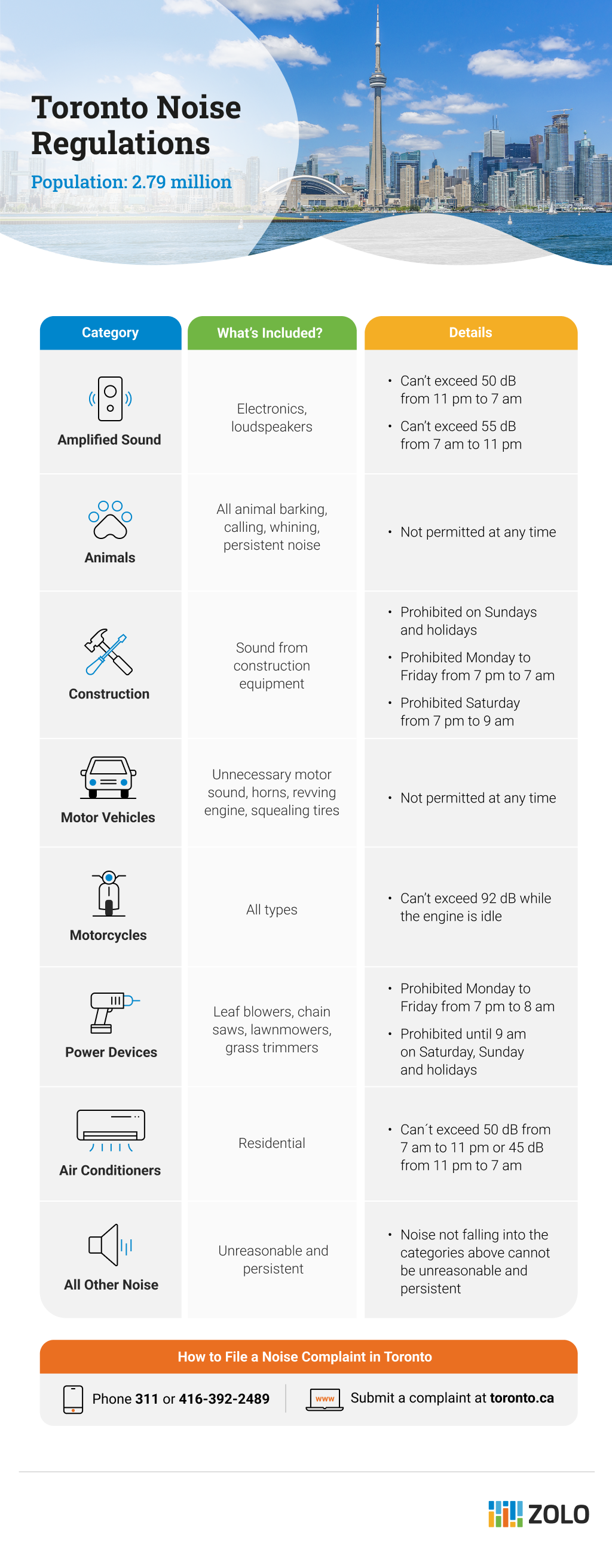
Toronto is Canada’s largest city, home to 2.79 million residents. With the bustling and vibrant culture comes plenty of noise. Fortunately, the Toronto Noise Bylaw provides a standard for the citizens of Toronto.
Amplified Sound Regulation
Continuous amplified sound, or sound made by any electronic device or loudspeaker, is not permitted at a sound level exceeding 50 dB. Also, these sounds are not permitted at normal levels from 11 pm to 7 am or 55 dB from 7 am to 11 pm.
Animals
Do not cause or permit barking, calling, whining or other persistent noise by any animal. Therefore, if you’re renting with pets, you have a responsibility to keep them quiet.
Construction
Prohibit sound from operating construction equipment on Sundays and holidays. It is also forbidden from 7 pm to 7 am on all other days except for 9 am on Saturdays.
Loading and Unloading
Sound emission from loading, unloading, delivering, packing, unpacking and handling any containers, products or materials is not allowed between 11 pm and 7 am the next day, except until 9 am Saturdays, Sundays and statutory holidays. These rules do not apply to retail businesses, restaurants, hotels, goods distribution centres, or waste collection.
Motor Vehicles
Prohibit unnecessary motor vehicle noise such as horns, revving of an engine, squealing of tires, banging and clanking. Sound from repairing, rebuilding or modifying a vehicle is not allowed between 9 pm and 7 am except until 9 am on Saturdays, Sundays and statutory holidays. Motorcycle noise exceeding 92 dB while the engine is idle, or 96 dB at any engine speed other than idle, is not permitted.
Power Devices
Power devices such as leaf blowers, chainsaws, lawnmowers and grass trimmers aren’t permitted from 7 pm until 8 am the next day. On Saturdays, Sundays and statutory holidays, the hours are 7 pm to 9 am the next day.
Stationary Source and Residential Air Conditioners
Noise generated from a stationary source or residential air conditioner can’t exceed 50 dB from 7 am to 11 pm or 45 dB from 11 pm to 7 am the following day when measured from an outdoor point. This restriction does not apply to the emission of sound from a stationary source that complies with a provincial environmental compliance approval.
Unreasonable and Persistent Noise
Noise not addressed in the above categories cannot be unreasonable and persistent, which is defined as:
- continuously heard or felt for 10 minutes or more
- intermittently heard or felt for a total of 10 minutes within an hour
How Do I File a Noise Complaint in Toronto?
You can report the noise violation to 311 by phone within the city limits or by submitting the complaint online. Conversely, if you are outside of Toronto and want to reach a 311 customer service representative, please call 416-392-CITY (2489).
Noise Bylaws in Montreal
While it’s known for its history, Montreal has grown and is now a hub of modern attractions. This city houses 1.76 million residents. With so many hot spots and people visiting them, noise is inevitable.
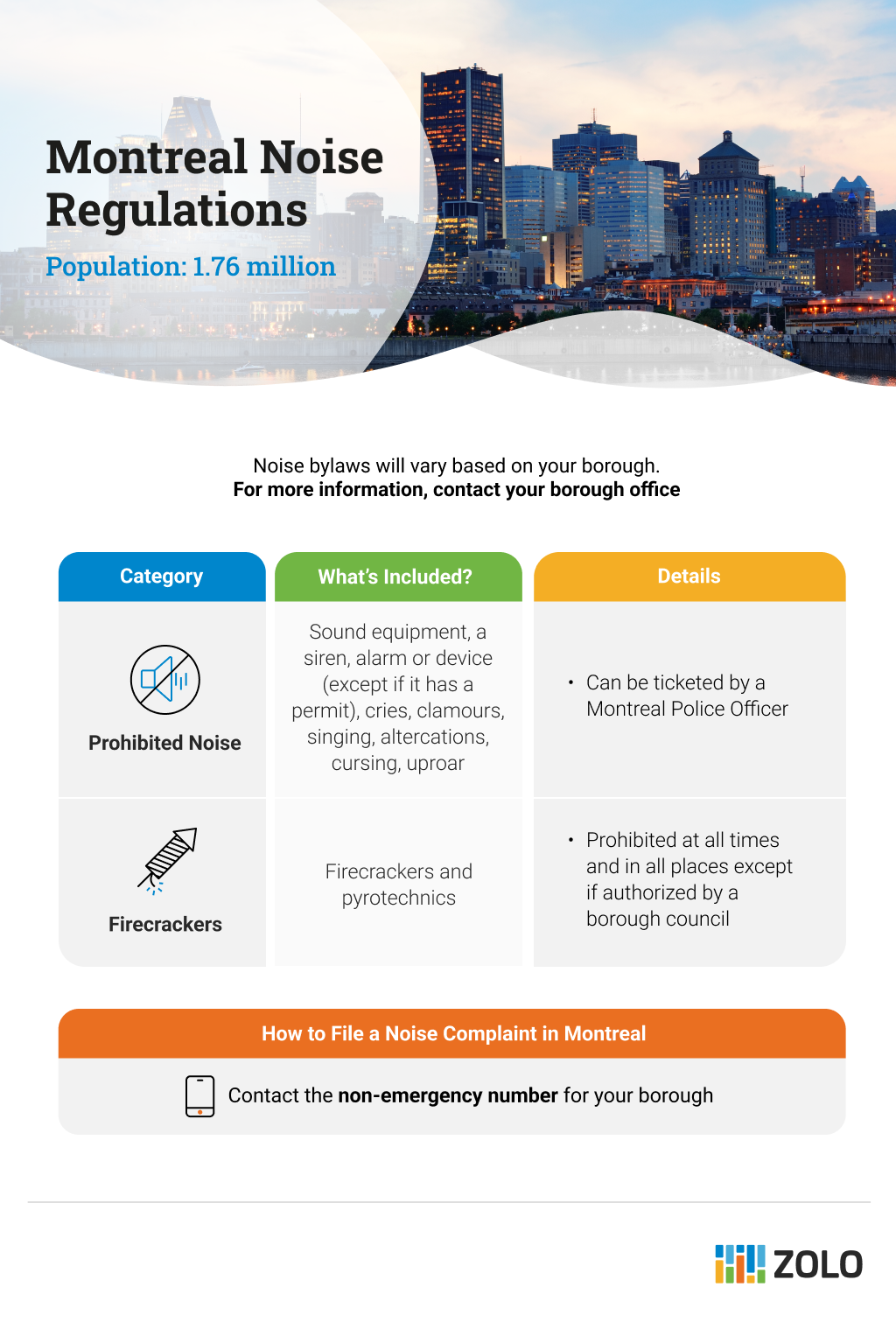
The rules in Montreal differ from Canadian noise regulations elsewhere because they are based on the borough in which you live. For example, prohibited noise is loosely defined as noise produced by sound equipment, a siren or alarm device (except if it has a permit), cries, clamours, singing, altercations, cursing or uproar.
In addition, firecrackers and pyrotechnics are prohibited at all times and in all places, except for fireworks authorized by a borough council.
You can search for specific bylaws on the Montreal website. Additionally, you can learn more information through your borough office.
How Do I File a Noise Complaint in Montreal?
The organization you contact for noise complaints depends on your borough. If it is an emergency, call 911.
Noise Bylaws in Calgary
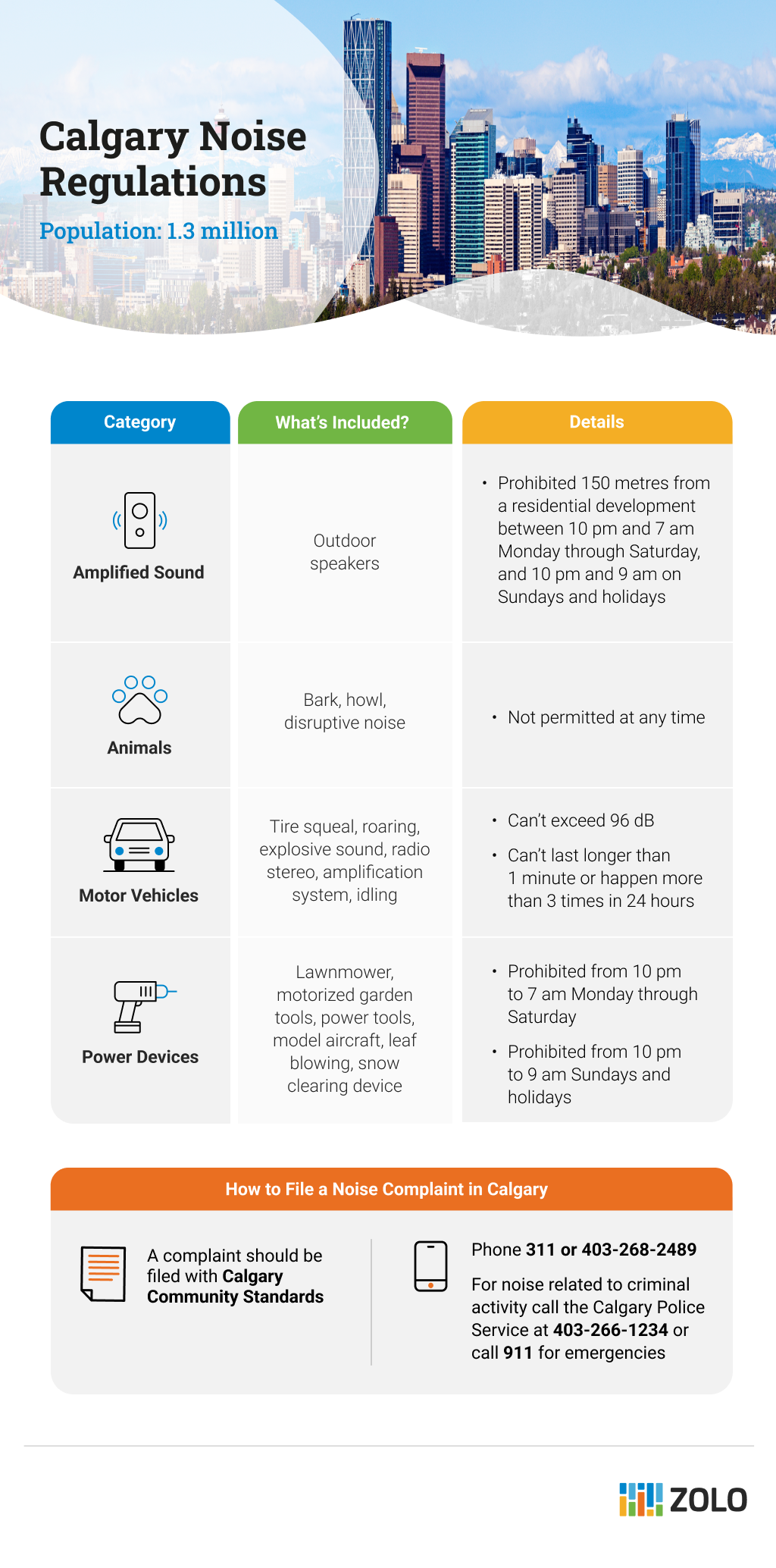
Calgary is a city of 1.3 million that prohibits unnecessary noise. Each resident is responsible for not creating noises that might disturb others. Given these points, looking at the Calgary noise bylaws will give you a better understanding of the rules in your Calgary neighbourhood.
Amplified Sound Regulation
The bylaws prohibit outdoor speaker systems within 150 metres of a residential development between 10 pm and 7 am Monday through Saturday, and 10 pm and 9 am on Sundays and holidays. During the Calgary Stampede, the adjusted hours are midnight and 7 am.
Animal Noise
Animal owners are responsible for ensuring that their animals do not bark, howl, or otherwise make noise that disturbs anyone.
Power Devices
You may not operate a hand lawnmower, motorized garden tool, power tool, model aircraft, snow-clearing device (if it’s been over 48 hours since snowfall), leaf-blowing device, or sports ramp between 10 pm and 7 am Monday through Saturday and 10 pm and 9 am Sundays and holidays.
Traffic and Vehicle Noise
A moving vehicle can’t emit noise measured at 96 dB or more, as it’s considered objectionable noise. Objectionable noise is any sound from a motor vehicle that annoys or disturbs humans.
Objectionable noises include the squeal of a tire, a roaring or explosive sound, a radio or stereo, vehicle-mounted amplification equipment, the sound of a diesel engine bus idling for longer than three minutes, and the sound of a vehicle security system for a period longer than one minute or more than three times in 24 hours.
Unreasonable and Persistent Noise
Non-residential developments prohibit any continuous sound, including noise of 85 dB measured over one hour during the day or night.
How Do I File a Noise Complaint in Calgary?
You can file a complaint with Calgary Community Standards. To do this, dial 311 (from within Calgary) or 403-268-CITY (2489) (from outside Calgary). If the noise is caused by criminal activity, call the Calgary Police Service at 403-266-1234 or if it is related to an emergency, dial 911.
When you call, you’ll need to provide your name, address, phone number, the address of the location where you want to register a complaint, and a brief description.
Noise Bylaws in Ottawa
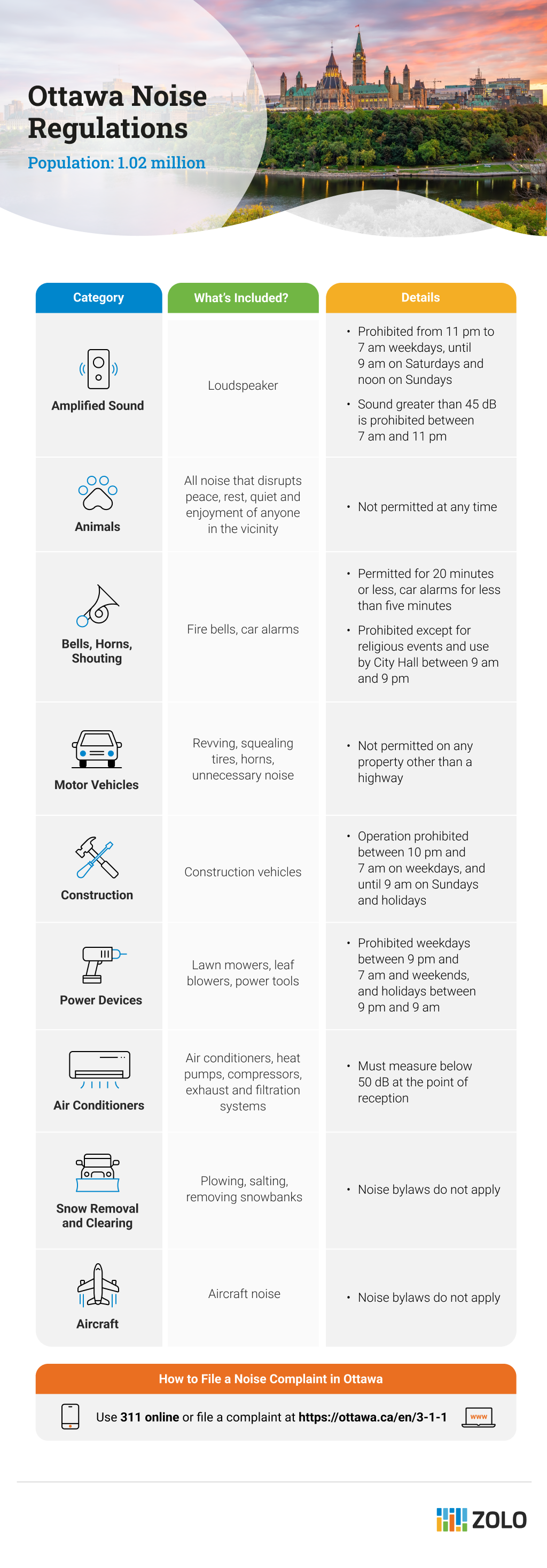
As one of the best places to live in Canada, Ottawa residents don’t have to live with neighbours keeping them up all night with loud parties or construction waking them up at 6 am. The Ottawa noise bylaws are meant to maintain a peaceful community. Below are some important highlights from these Ottawa noise regulations.
Amplified Sound Regulation
A loudspeaker can’t disturb others between 11 pm and 7 am, with the exception of 9 am on Saturdays and noon on Sundays or holidays. Sound greater than 45 dB (measured in a neighbouring residence) is prohibited between 7 am and 11 pm.
Animal Noise
Animals can’t make noises that disturb the peace, rest, quiet, enjoyment and comfort of any person in the neighbourhood or vicinity.
Bells, Horns, and Shouting
Do not use the above items to disturb other inhabitants of the city. Exceptions include religious events, use by City Hall between 9 am and 9 pm, fire bells and alarms that warn of danger for a continuous period of twenty minutes or less and car alarms sounding for less than five minutes.
Power Devices
Devices such as chainsaws, power lawnmowers, leaf blowers, and power tools cannot operate on weekdays between 9 pm and 7 am and on weekends and holidays between 9 pm and 9 am.
Air Conditioners
Sound resulting from air conditioners, heat pumps, compressors, exhaust systems and filtration systems must be below 50 dB when measured at the point of reception.
Traffic and Vehicle Noise
You can not cause unnecessary motor vehicle noises, such as revving an engine, squealing tires, or sounding a horn, on any property other than a highway.
The bylaws prohibit the operation of construction vehicles or equipment between 10 pm and 7 am, except at 9 am on Sundays and holidays.
Snow Removal and Aircrafts
The bylaws do not apply to snow removal and clearing, including plowing, salting and removing snowbanks. Aircraft noise is not under the jurisdiction of the City of Ottawa. For aircraft complaints, make a Canada noise complaint via the Ottawa International Airport.
How Do I File a Noise Complaint in Ottawa?
To file a noise complaint in Ottawa, use 311 online. Additionally, here are some helpful links for reporting:
Noise Bylaws in Edmonton
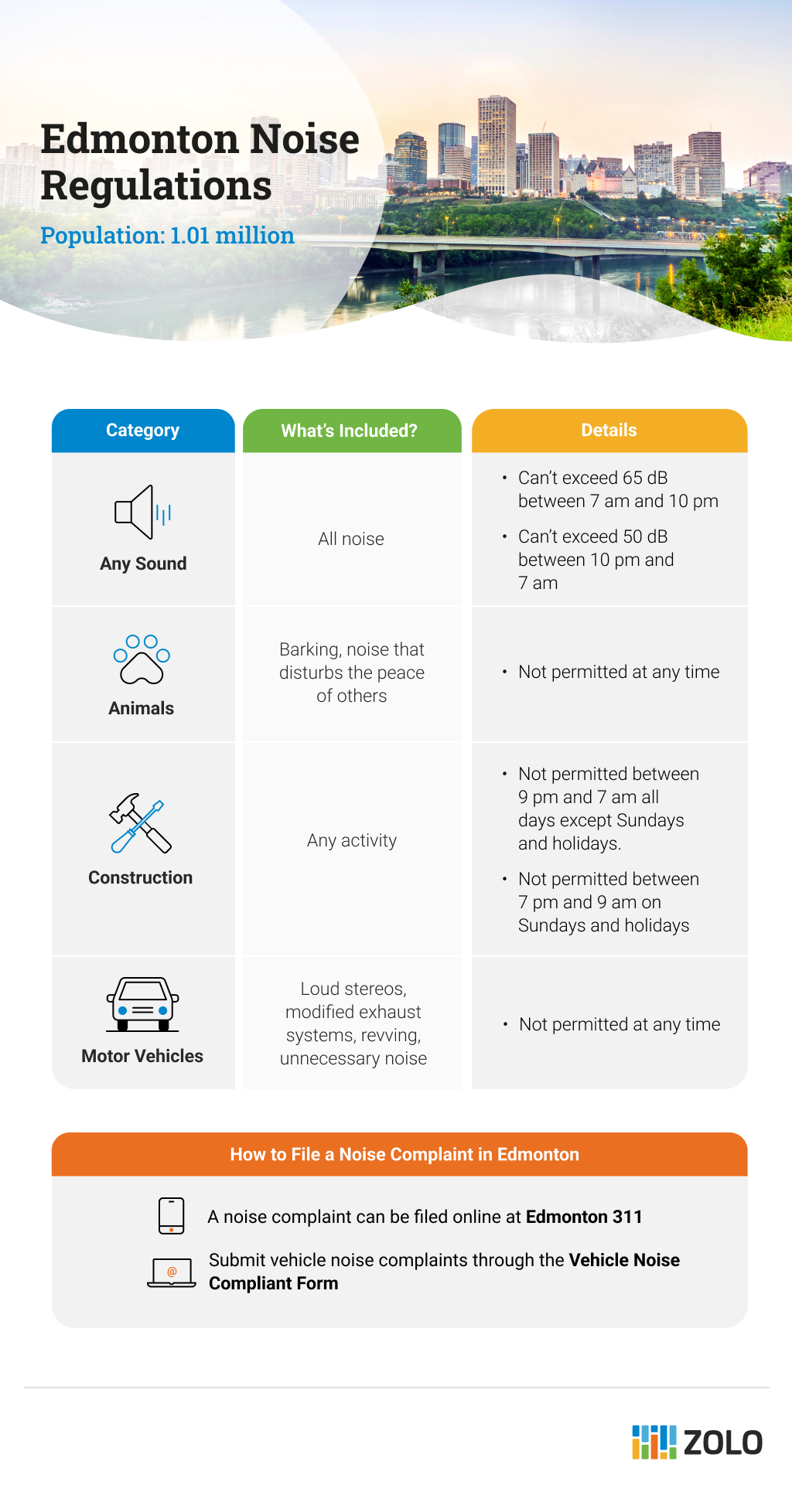
The regulations in place in Edmonton include a daytime decibel limit for a residential area set at 65 dB (between 7 am and 10 pm), and the overnight decibel level can’t exceed 50 dB (between 10 pm and 7 am). We’ve highlighted additional Edmonton noise bylaws that make the city an enjoyable place to live.
Animal Noise
According to the animal licensing and control bylaw, dog owners are responsible for ensuring their pet does not bark in a manner that will annoy or disturb the peace of others.
Construction Activity
The bylaws do not permit construction activity between 9 pm and 7 am Monday through Saturday, or between 7 pm and 9 am on Sundays and holidays.
Traffic and Vehicle Noise
Excessive vehicle noise has become an issue within the city. Drivers of motor vehicles can get tickets for unnecessary noise, including loud stereos, modified exhaust systems, and revving and careless use of the motor vehicle, which generates noise that disturbs others.
How to File a Noise Complaint in Edmonton
If you have an issue with a noisy neighbour, consider discussing it with them before involving bylaw officers. If the problem persists, you can file a complaint with the city.
To report a general noise complaint, visit Edmonton 311. Alternatively, you can submit vehicle noise complaints through the vehicle noise complaint form.
Noise Bylaws in Mississauga
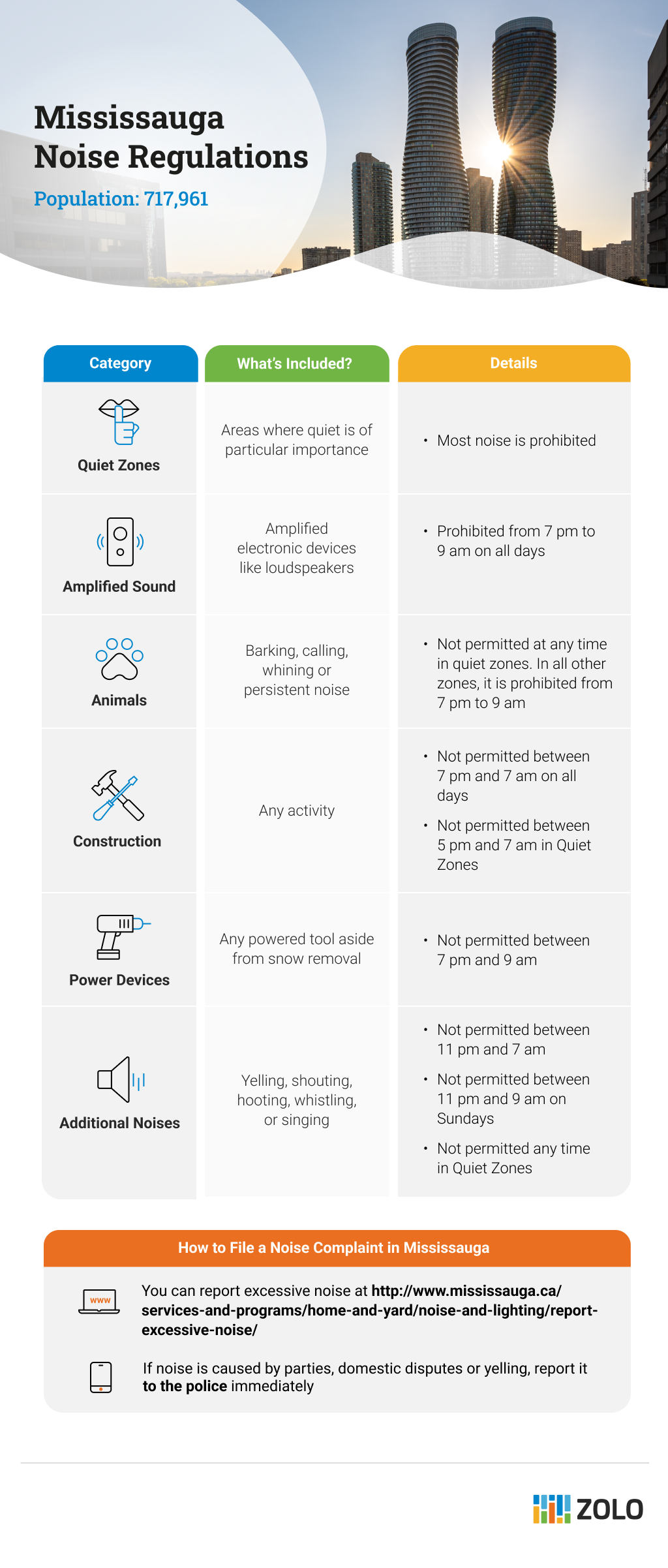
Directly to the west of Toronto is Mississauga, home to more than 700,000 residents. If you’re looking for a new place to settle, this may be an excellent place to find a rental property. The city encourages every citizen to be a good neighbour by following the Mississauga noise bylaws.
Mississauga has a unique designation for some areas called Quiet Zones, where quiet is important, and most noise is prohibited.
Amplified Sound Regulation
The bylaws prohibit the operation of electronic devices, such as loudspeakers, in residential areas from 7 pm to 9 am.
Animal Noise
The animal bylaws do not permit persistent barking, calling, whining or persistent noise at any time by any domestic pet in quiet zones. In other areas, it is prohibited from 7 pm until 9 am the next day.
Construction Activity
If you are building or renovating a home, the City of Mississauga has a Good Neighbours Guide for you to follow. The noise bylaws also prohibit the operation of construction equipment in connection with construction in residential areas from 7 pm to 7 am on all days, including Sundays and holidays. In Quiet Zones, the hours are 5 pm to 7 am.
Power Devices
The operation of any powered tool for domestic purposes other than snow removal is not permitted in a residential area between 7 pm and 9 am.
Additional Noise
Do not yell, shout, hoot, whistle, or sing in a way that disturbs others in residential areas between 11 pm and 7 am. However, the exception is 9 am on Sundays or at any time in quiet zones.
How Do I File a Noise Complaint in Mississauga?
The City of Mississauga’s website allows you to report excessive noise. However, the website states that you should report noise from parties, domestic disputes, or yelling to the police immediately.
Noise Bylaws in Winnipeg
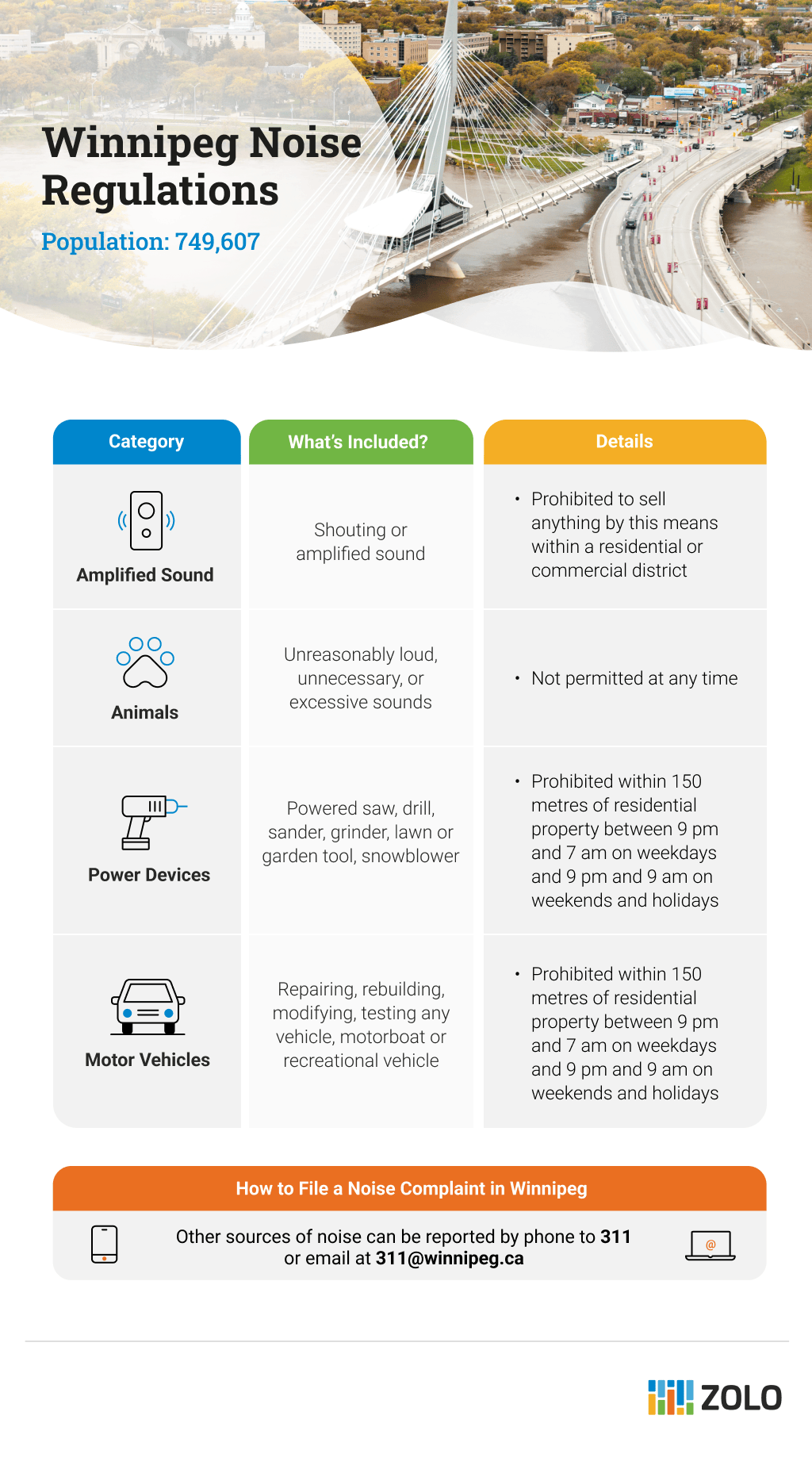
Winnipeg is the capital of Manitoba, making it a significant city hub with plenty of history. However, this city’s hustle and bustle can get loud, so they created a neighbourhood liveability bylaw that addresses noise control.
Amplified Sound Regulation
A person cannot sell anything by shouting or amplified sound within a residential or commercial district.
Animal Noise
Humans and animals cannot make unreasonably loud, unnecessary or excessive sounds; noise that endangers a reasonable individual’s comfort, repose, health, peace or safety; or noise that’s harsh, prolonged or unnatural and causes discomfort.
Power Devices
You can not operate a mechanical powered saw, drill, sander, grinder, lawn or garden tool, snowblower, or similar device within 150 metres of residential property. Secondly, you cannot operate these tools between 9 pm and 7 am on weekdays and 9 pm and 9 am on weekends and holidays.
Traffic and Vehicle Noise
A person must not repair, rebuild, modify or test any motor vehicle, motorboat or recreational vehicle within 150 metres of residential property. Also, you cannot do these activities between 9 pm and 7 am on weekdays and 9 pm and 9 am on weekends and holidays.
How Do I File a Noise Complaint in Winnipeg?
You can report noise to the City of Winnipeg by phone at 311 or email at 311@winnipeg.ca. In addition, you can report any loud, excessive noise using the Winnipeg Police Service’s non-emergency line at 204-986-6222.
Noise Bylaws in Vancouver
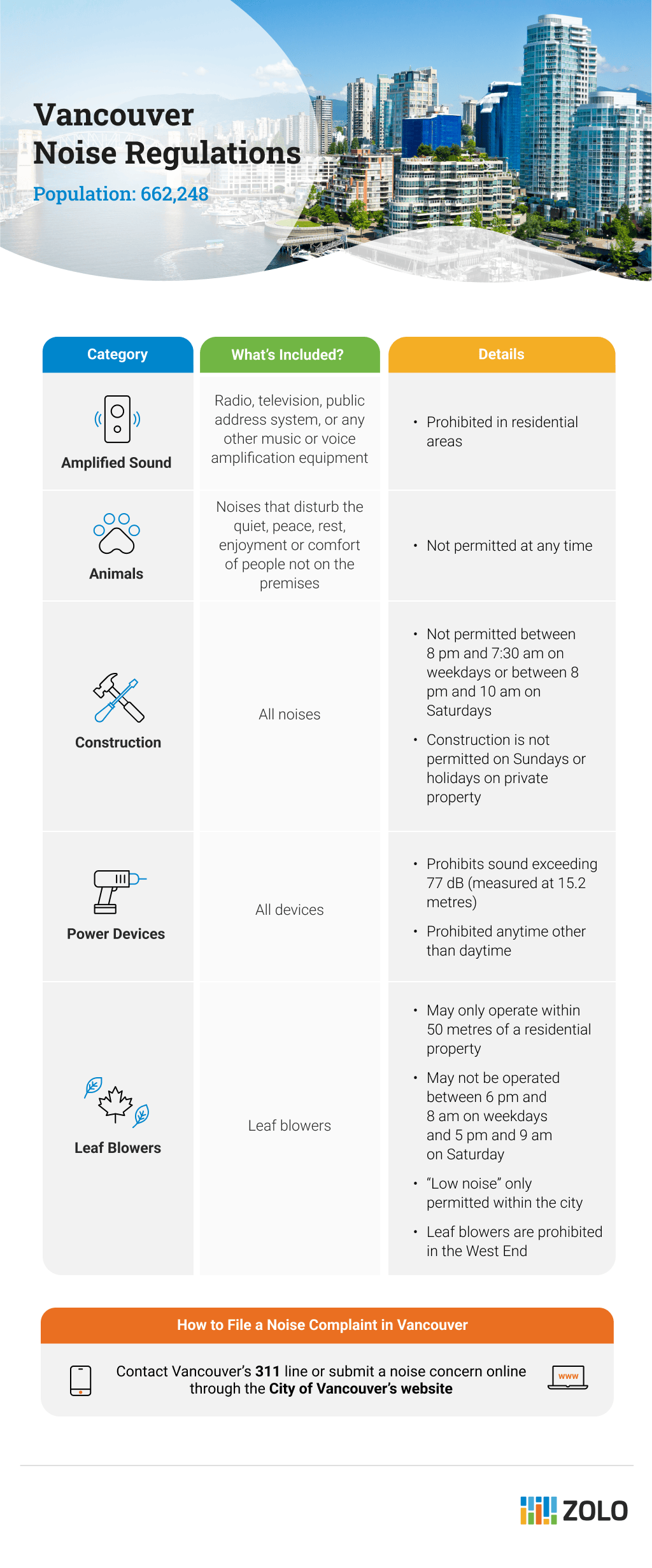
Many of Canada’s west coast dwellers call Vancouver home. For example, over 660,000 residents enjoy the contrast between the diverse city and lush mountain scenes. However, if a neighbourhood noise hinders your enjoyment of the city, the Vancouver noise bylaws probably address it.
Amplified Sound Regulation
No person being the owner or occupant of any premises shall make, cause, allow, or permit the sound of a radio, television, player or other sound playback device, public address system, or any other music or voice amplification equipment, musical instrument, whether recorded or live, whether amplified or not, provided that the sound does not emanate from a commercial premises.
Additionally, if a residential building connects to a commercial building, the commercial building can’t make any sounds from radio, television, musical instruments or voice amplification at a level above 55 dB.
Animal Noise
Noises from household animals can’t unreasonably disturb the quiet, peace, rest, enjoyment, comfort or convenience of another person not on the premises.
Construction Activity
Bylaws do not permit construction noise on private property that disturbs the public’s quiet, peace, rest and enjoyment between 8 pm and 7:30 am on weekdays and 8 pm and 10 am on Saturdays.
In addition, construction is not permitted on Sundays or holidays on private property. However, construction can occur between 10 am and 8 pm on city lanes, streets, or boulevards.
Power Devices
A person should not use or operate power equipment that causes a sound exceeding 77 dB when measured at 15.2 meters. Also, a person must not cause noise using power equipment at any time other than during the day.
Specifically, leaf blowers can only operate within 50 metres of residential property. In addition, you can’t use them between 6 pm and 8 am on weekdays and 5 pm and 9 am on Saturdays. Finally, only “low-noise” leaf blowers are allowed in the city; however, they are prohibited in the West End.
How Do I File a Noise Complaint in Vancouver?
You can file a noise complaint by contacting Vancouver’s 311 line or submitting a noise concern through the City of Vancouver website.
Noise Bylaws in Brampton
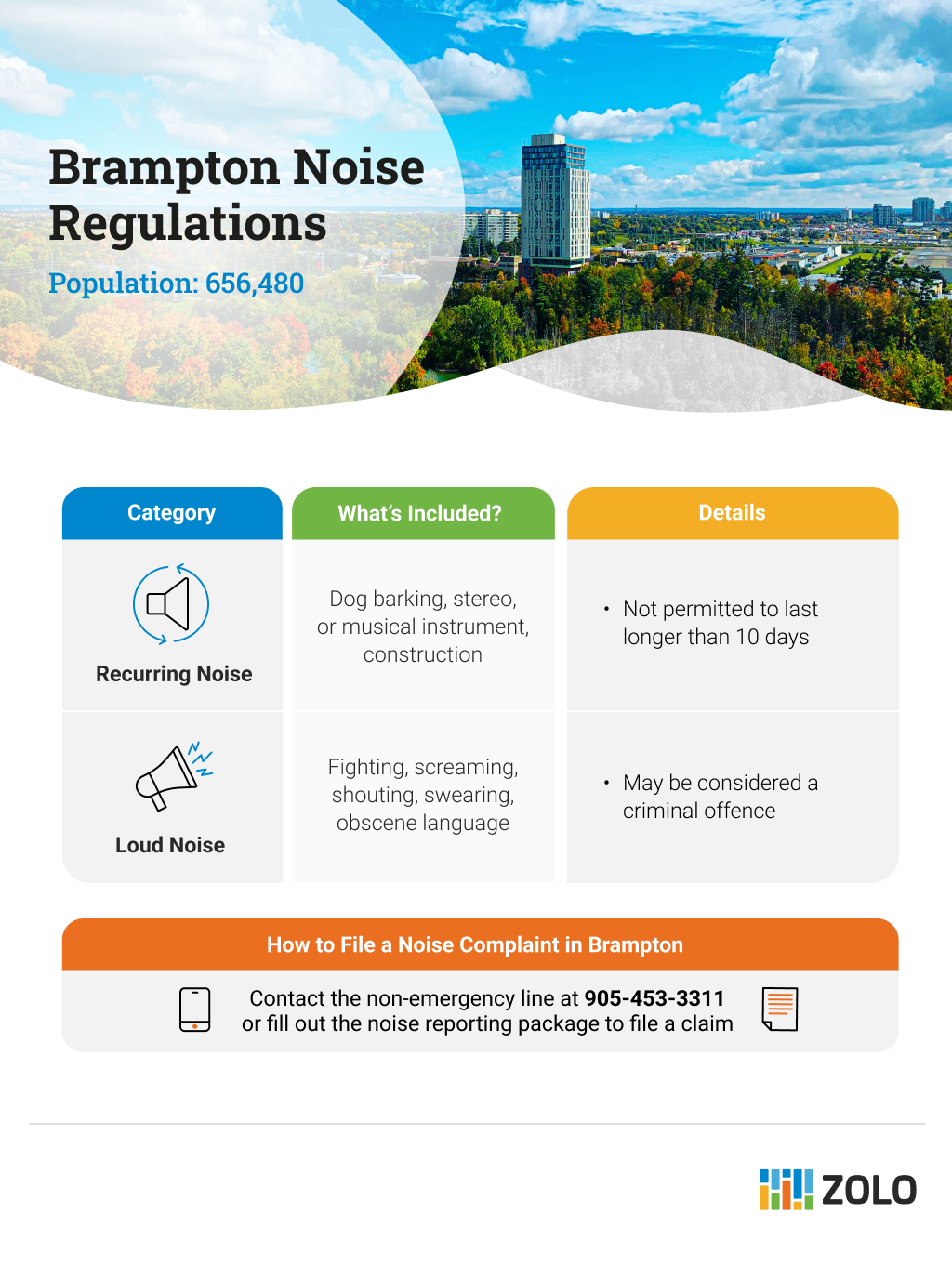
The suburban city of Brampton, nestled in the south of Ontario, is home to more than 650,000 residents. Many Toronto commuters find peace in Brampton’s quiet family neighbourhoods, and the city wants to keep it that way. As a result, to maintain this pleasant atmosphere, they created the Brampton noise bylaws.
The Brampton City Council passed a bylaw to curb any persistent and recurring noise lasting longer than ten days. Examples include a dog barking daily, someone playing a loud stereo or musical instrument regularly, or operating construction equipment daily.
Noise from fighting, screaming, shouting, swearing or obscene language may be a criminal offence. Therefore, you should report it to the non-emergency police line.
How Do I File a Noise Complaint in Brampton?
To report a noise complaint, you can use the Peel Police non-emergency line at 905-453-3311. Alternatively, you can submit a form on their website. Finally, if the noise is ongoing, fill out the noise reporting package to file a claim officially.
Noise Bylaws in Hamilton
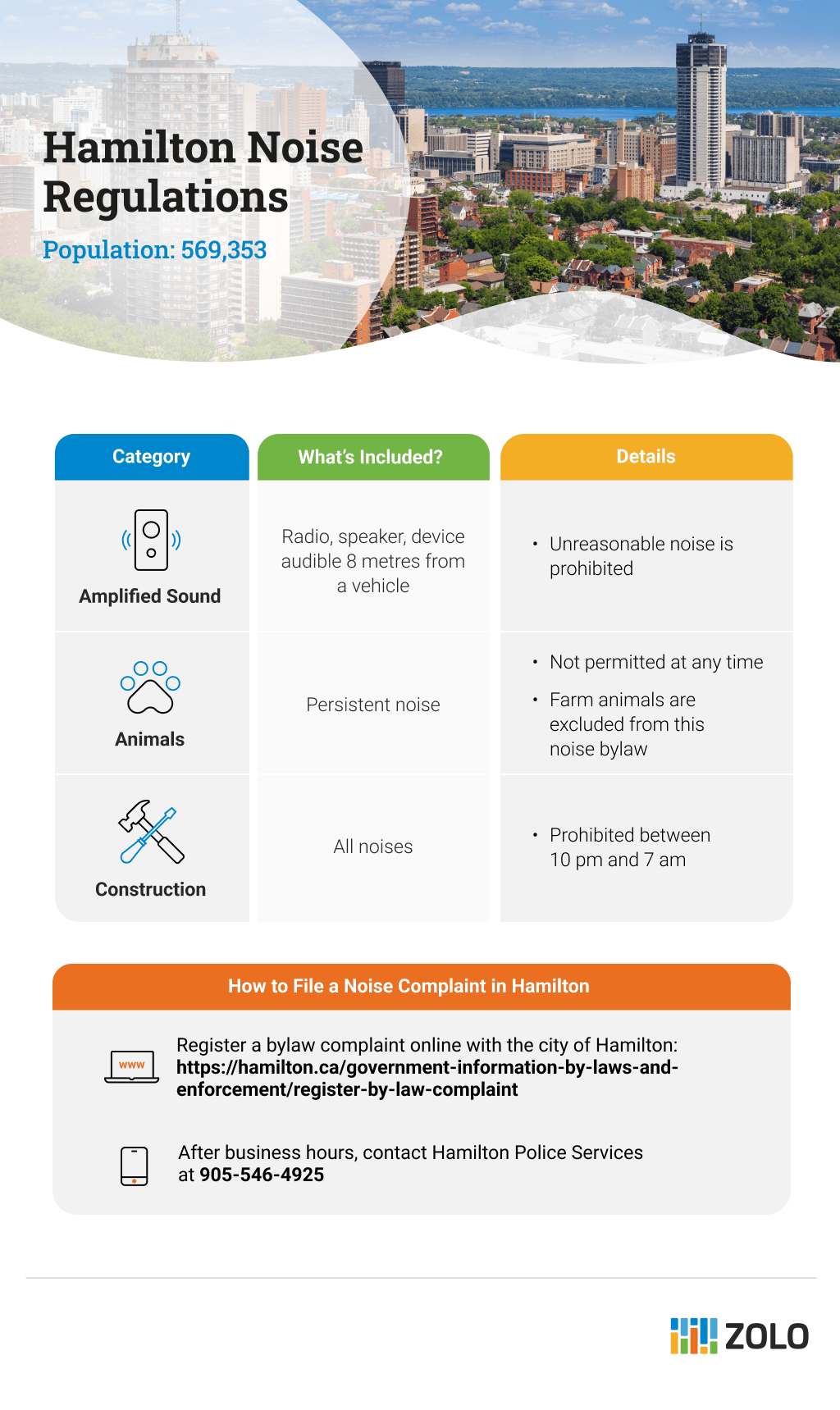
Hamilton is a port city with 560,000 residents. To ensure the community’s happiness, Hamilton’s noise control bylaws prohibit unreasonable noise or noise that is likely to disturb neighbours.
Amplified Sound Regulation
Unreasonable noise includes a radio, amplifier, speaker or similar device that’s audible eight metres from any vehicle. It also includes a radio, amplifier or speaker projected into a public space for advertising.
Animal Noise
An animal under the ownership of an individual can’t make persistent and audible noise from the point of reception. However, this excludes noises from farm animals.
Construction activity
Bylaws prohibit construction noise between 10 pm and 7 am.
How Do I File a Noise Complaint in Hamilton?
You can register a bylaw complaint with the city of Hamilton. Alternatively, for noise complaints after business hours, contact Hamilton Police Services at 905-546-4925.
Bottom Line
Reducing the noise in your neighbourhood is a team effort. Firstly, familiarize yourself with the noise bylaws for your city. This knowledge will help you know what guidelines to follow. Secondly, work to reduce noise pollution and feel confident reporting a noise violation in your area.
Do not contact 911 for a noise complaint unless it’s an emergency. Instead, contact your local 311 non-emergency line or use an online resource outlined above.
Whether you are searching for a quiet single-family home in a rural area or a condo in a big city, you can find your next home on Zolo.ca.
Noise Bylaws in Canada FAQ
What is an acceptable noise level in Canada?
Canadian regulations stipulate that the average noise exposure level for an 8-hour period should be no more than 87 dB.
What is the noise law in Canada?
There are different noise laws across various cities and communities in Canada. Therefore you can refer to the guide above or look up noise laws specific to your neighbourhood if your city is not listed.
Can I call the police for a noise complaint in Canada?
Calling the police for a noise complaint should be a last resort unless someone’s life is in danger. Therefore, your best bet is to contact services such as your local 311 number or non-emergency police line.
