
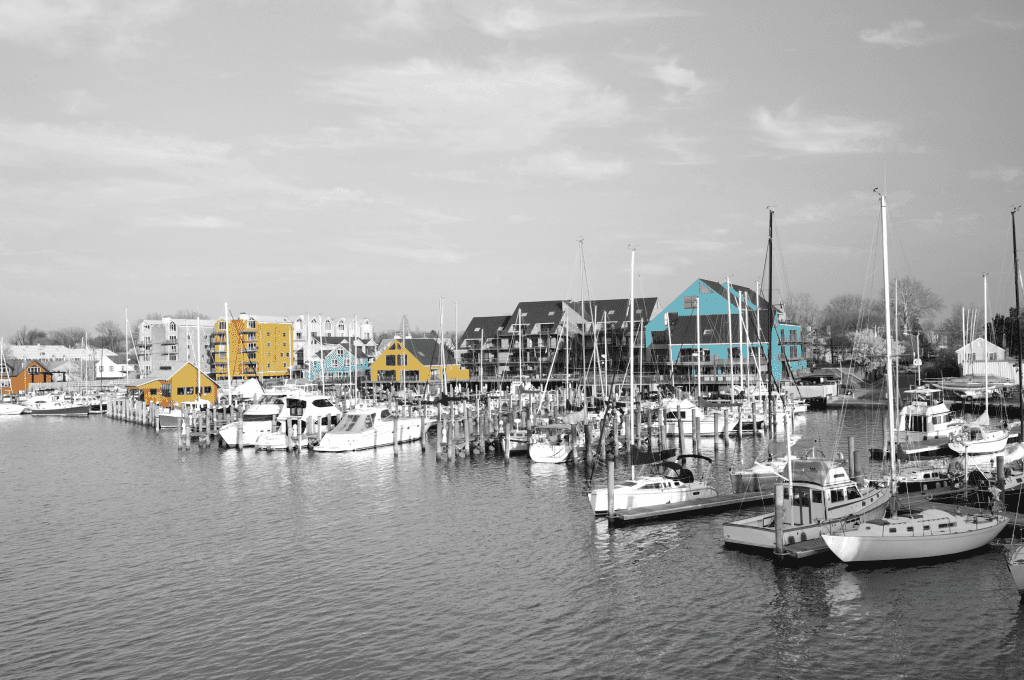
Beautiful British Columbia, Canada’s stunning western province, is renowned for its majestic mountains, foggy forests, and rugged coastlines. Unfortunately, it’s also known for being expensive. However, there are still affordable places to live in British Columbia where one can buy a home.
By the end of February 2026, the average house price in British Columbia was over $130,000 higher than in Ontario, the next-most-expensive province. This difference is understandable, given BC’s role as Canada’s western tech, commercial, and shipping hub. These numbers don’t show that economic centres like Vancouver, Kelowna, Vernon, and surrounding areas skew this data significantly. To help in your search for lower-cost cities, we put together a list of the most affordable cities in BC.
Key Takeaways
- The cost of living varies significantly across the province, with northern British Columbia, the interior, and Vancouver Island typically offering the most affordable places to live in British Columbia
- Dawson Creek boasts the lowest average residential price at just $269,556 for a single-family home
- Vancouver is the most expensive city in BC, with high property prices and a high home price-to-income ratio
The Top 10 Most Affordable Places to Live in British Columbia
So, are there affordable places to live in British Columbia? We analyzed 28 small, medium, and large cities and ranked them according to affordability. Our analysis focuses on identifying affordable housing markets across BC by considering population growth, average home prices in the region, and economic strength. The top 10 list is dominated by small cities, particularly in the northern region.
Top 3 Most Affordable Large Cities in BC
Although large cities tend to be more expensive than smaller ones, there are still some affordable large cities in British Columbia! The upside to living in a large city is access to services and more job opportunities. Additionally, large cities often offer better public transportation, walkability, and access to specialized healthcare.
While the cheapest places to live are typically smaller cities, these large cities boast lower average home prices than Vancouver or Victoria.
Kamloops
- Average home price: $661,000
- Average household income: $103,900
- Population: 114,142
- Unemployment rate: 6.7%
The riverside city of Kamloops is located in British Columbia’s sunny interior. It’s a true outdoor lover’s dream, offering a four-season lifestyle. Hiking, skiing, snowboarding, golfing, fishing, beaches, and boating await you. Enjoy the local craft beer scene and visit the local wineries. Plus, you can also enjoy the numerous local sporting events. Additionally, Kamloops is home to Thompson Rivers University, which contributes to the city’s education and employment opportunities.
Housing prices in the Kamloops and district are much more affordable than in other large cities. For instance, the benchmark price of a single-family home was less than half that in Vancouver, Squamish, and Langley in February 2026. Moreover, it is one of the fastest-growing metropolitan areas in Canada.
Nanaimo
- Average home price: $807,200
- Average household income: $93,500
- Population: 115,459
- Unemployment rate: 3.9%
On Vancouver Island, the harbour city of Nanaimo is an excellent place to enjoy the beautiful coastline and abundant hiking trails, or relax at the city’s many bars and restaurants. On weekends, it’s easy to go island hopping with ferries leaving from the downtown dock or making the one-hour and 40-minute drive to Victoria!
The price of a single-family home in Nanaimo is approximately 30% below the provincial average of $1,153,900. Moreover, Nanaimo is bolstered by a lower average unemployment rate, highlighting the city’s diverse economic base.
Chilliwack
- Average home price: $860,600
- Average household income: $97,800
- Population: 113,767
- Unemployment rate: 6.6%
Located in the Fraser Valley, Chilliwack offers abundant opportunities to enjoy nature while also providing urban conveniences, with a range of city amenities and services. Residents of the city enjoy heading to nearby Cultus Lake Adventure Park on hot summer days, hiking and mountain biking on the numerous trails, and exploring the Great Blue Heron Nature Reserve.
More and more people are moving to Chilliwack, as it saw over 12% growth between 2016 and 2021, with the city expecting an estimated 2% growth per year by 2035. It’s not hard to see why, as Chilliwack is just an hour-and-a-half from Vancouver, and boasts a benchmark price that is 53% lower for a single-family home.
Our Picks for the 3 Most Affordable Medium-Sized Cities in BC
Medium-sized cities, with populations between 30,000 and 100,000, can be the best of both worlds regarding housing affordability, job opportunities, and access to services.
Campbell River
- Average home price: $674,900
- Average household income: $93,400
- Population: 40,704
- Unemployment rate: 6.6%
The most affordable medium-sized city in BC is Campbell River, found on the east coast of Vancouver Island. If you’re a fishing enthusiast, National Geographic calls Campbell River the Salmon Capital of the World. Besides fishing, residents enjoy meeting friends at Fogdukkers Coffee, exploring the numerous parks, trails, and beaches, and ending the day with a cozy beach bonfire.
Single-family home prices in Campbell River are lower than average for Vancouver Island, especially compared to nearby Parksville/Qualicum, where single-family house prices were $906,500 in February 2026. Moreover, unemployment is in line with the provincial average of 6.6%, an improvement over the Northern BC region.
Prince George
- Average home price: $546,100
- Average household income: $107,200
- Population: 89,490
- Unemployment rate: 9.2%
In Northern BC, the Fraser and Nechako rivers lead you to Prince George. In the winter months, you’ll be able to ski, snowshoe, snowboard, or visit the local outdoor skating rinks. On milder days, you can explore the local hiking trails. Prince George is also the region’s healthcare hub and Northern Health is the largest employer in the city. Forestry, mining and education jobs contribute to the city’s higher-than-average household income.
Prince George is known for its outdoor lifestyle, boasting more than 1,900 hours of sunshine annually. It also offers a housing market that is more affordable than most other medium-sized cities in BC.
Penticton
- Average home price: $691,900
- Average household income: $90,300
- Population: 47,380
- Unemployment rate: 6.7%
As one of the larger cities in the BC interior, Penticton is a popular spot for those looking to balance city amenities and a community-centred lifestyle. The city’s population is growing, with many new residents moving for job-related reasons or to find affordable housing. Moreover, Penticton boasts a thriving expat, remote worker, and entrepreneur community with co-working spaces available.
Penticton is within driving distance of Kelowna, Peachland, and Naramata. With easy access to outdoor activities, the many Okanagan wineries, local boutiques, and ski resorts, Penticton is a great place to live.
Top 3 Most Affordable Small Cities in BC
The top spots in our overall list were dominated by small cities, partly because of the incredible affordability of their housing markets. While these cities tend to be farther from the province’s metropolitan core, this lack of proximity to major urban centres may be less of an issue for those who can work remotely.
Dawson Creek
- Average home price: $269,556
- Average household income: $101,000
- Population: 17,878
- Unemployment rate: 9.2%
Dawson Creek is the cheapest place to buy a home in British Columbia. The average price for a single-family home was just $269,556 in February 2026 in the South Peace River region, which encompasses Dawson Creek, Chetwynd, and Tumbler Ridge. Dawson Creek’s economy is powered by agriculture, oil and gas, retail, and tourism, resulting in a relatively high average household income of $101,000.
Located at the foot of the Bear Mountain Range, Dawson Creek residents have easy access to nature, no matter the season. Just outside the city, Kiskatinaw Provincial Park offers opportunities to swim, fish, and cycle. In the winter, head to Bear Mountain to snowmobile, downhill ski or cross-country ski.
Port Alberni
- Average home price: $507,100
- Average household income: $81,000
- Population: 25,786
- Unemployment rate: 6.6%
Port Alberni on Vancouver Island is an excellent place for BC residents to call home. The city offers the lowest single-family home price on Vancouver Island of the cities we analyzed in February 2026. As a small town, commuting is quick and easy. Healthcare, retail, and manufacturing and processing are the largest employment sectors in the area, and unemployment is in line with the provincial average of 6.6%.
Although the city is located on the interior of Vancouver Island, it is also located at the head of the Alberni Inlet, where you’ll find excellent fishing, kayaking, and boating.
Prince Rupert
- Average home price: $343,300
- Average household income: $111,000
- Population: 13,442
- Unemployment rate: 9.2%
If you’re looking for an affordable oceanside city, Prince Rupert might be right for you! Often called the city of rainbows, Prince Rupert boasts cafes, art galleries, outdoor adventures like fishing and hiking, and plenty of opportunities for wildlife sightings.
Houses in Prince Rupert are affordable. The benchmark home price was the second-lowest on our list at $343,300. Therefore, you may get that ocean view you’ve always dreamed of.
What Makes a Place Affordable in BC?
Finding an affordable place to live in British Columbia isn’t just about finding the lowest housing prices, you must also consider average incomes and employment opportunities. It’s worth remembering that while smaller towns may offer lower overall living costs, you might face higher specific costs for travel or food.
Before you lay down roots in a city, consider the following:
Housing Affordability
For housing to be affordable, home prices need to be low, but city residents must also earn enough to pay the bills. We used average home sale prices and average annual income to measure this.
Economic strength
Housing prices in some cities might be low, but if the economy is struggling in that city, should you move there? Probably not.
Affordability is important, but so is economic strength. Buying a home in a city with weak economic growth can increase the risk of unemployment or lower annual earnings. To assess a city’s economic strength, we gathered current unemployment rates. Lower unemployment rates typically indicate enough industry in the town to support the population, contributing to continued economic growth.
Population Growth
We assume that when a city is growing, it’s because it’s desirable. Whether that is because of affordable home prices, good employment options, or amenities, growing cities can support a larger residential population because of employment opportunities. In other words, the more significant the population growth, the stronger a city’s potential to support good paying jobs.
Overall, we found that motivated home buyers can find economically strong and relatively affordable markets across the province if they are willing to look.
How We Calculated The Most Affordable Places to Live in British Columbia (Methodology)
In this study, we determined which cities to examine and rank based on the data collected by Statistics Canada’s 2016 and 2021 Censuses. We used 28 census metropolitan areas (CMAs) and/or census agglomerations (CAs) in BC — a list taken from Statistics Canada Census 2016 population and dwelling count data, and the 2021 Census. We then ranked the cities according to the following data:
- Home prices – We gathered the benchmark home prices for single-family homes from individual real estate boards or the Canadian Real Estate Association in February 2026 and ranked each city and region. We ranked areas with lower home prices better in our calculations
- Population growth – We compared the population of each city and region in 2016 and 2021 and ranked them according to their growth in that time span
- Household income – We used the average household incomes for each area from Statistics Canada in our calculations
- Unemployment rate – To reflect the strength of each city’s economy, we averaged the March 2026 unemployment rate with that of 2025. Lower unemployment indicates better economic opportunities and a higher corresponding ranking
After that, we then assigned a ranking to each city, ranging from 1 to 28, in each data category. These rankings were then used in a weighted calculation, resulting in an overall score for each city or region. The highest-scoring cities rank at the top of the list, and the lowest-scoring cities rank at the bottom.
Bottom Line
Buying a home in British Columbia doesn’t have to be expensive. Many affordable options exist, and these places often offer stunning natural beauty that enhances the quality of life for residents. However, it is essential to consider job opportunities and quality of life before choosing a city to put down roots. A local real estate agent can help you find the right neighbourhood in the city you choose. Search Zolo.ca for homes for sale in the most affordable cities in BC.
Most Affordable Places in BC FAQs
Where is the most affordable place to live in BC?
Dawson Creek is the most affordable place to live in BC. With an average single-family home price of $269,556 in the region of South Peace River and an average household income of $101,000, affording a home in Dawson Creek is attainable.
Where is it cheapest to buy a house in BC?
The cheapest region to buy a home in BC is currently the South Peace River region, which includes the communities of Chetwynd, Dawson Creek, and Tumbler Ridge. The average price of a single-family home in South Peace River was $269,556 in February 2026.
Are there affordable places to live near Vancouver?
According to Greater Vancouver REALTORS®, the areas of Greater Vancouver with the lowest benchmark home prices are New Westminster at $741,500, Sunshine Coast at $784,300, and Pitt Meadows at $858,600 as of February 2026.
