
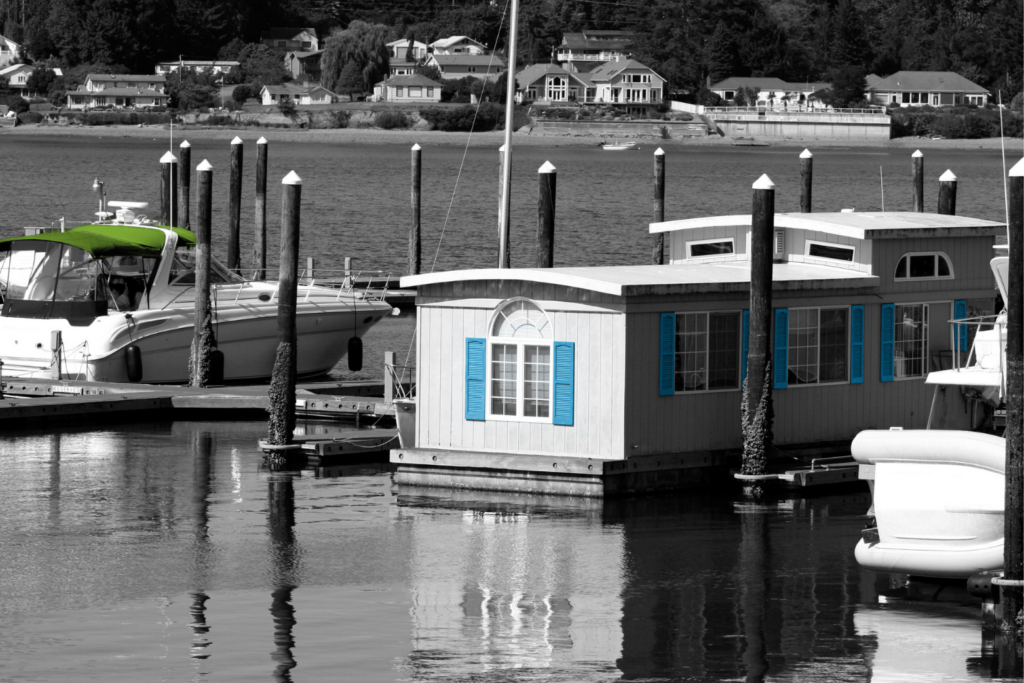
It’s no secret that homes in Vancouver often have a million-dollar price tag, which can soar even higher for those near the water. That’s why some Canadians are looking for alternatives, such as tiny homes, off-grid properties, and even float homes.
But floating homes come with unique considerations. Before you search for float homes for sale in Vancouver, learn more about the benefits and drawbacks of this waterfront lifestyle.
Key Takeaways
- Float homes offer waterfront views and may provide a close-knit community
- You should factor monthly moorage fees, maintenance, and insurance into your budget
- The majority of float homes are located in Metro Vancouver’s Richmond, Langley, North Vancouver and Ladner neighbourhoods
Top Float Homes for Sale in Vancouver, BC
Charming Float Home in Richmond – 23220 Dyke Road
Asking Price: $249,000

- Size: 570 square feet
- Bedrooms: 1
- Bathrooms: 1
- Dyke Road listing details
Come live your waterfront dreams at an affordable price. This cute-as-a-button float home boasts a large outdoor deck overlooking the marina. Inside, you’ll find an open concept floor plan and a loft bedroom complete with a private deck, where you can drink your morning coffee as the river flows past you.
Moreover, this float home is nestled along the Annacis Channel, giving you easy access to Surrey, Delta, Burnaby, Westminster, and Richmond.
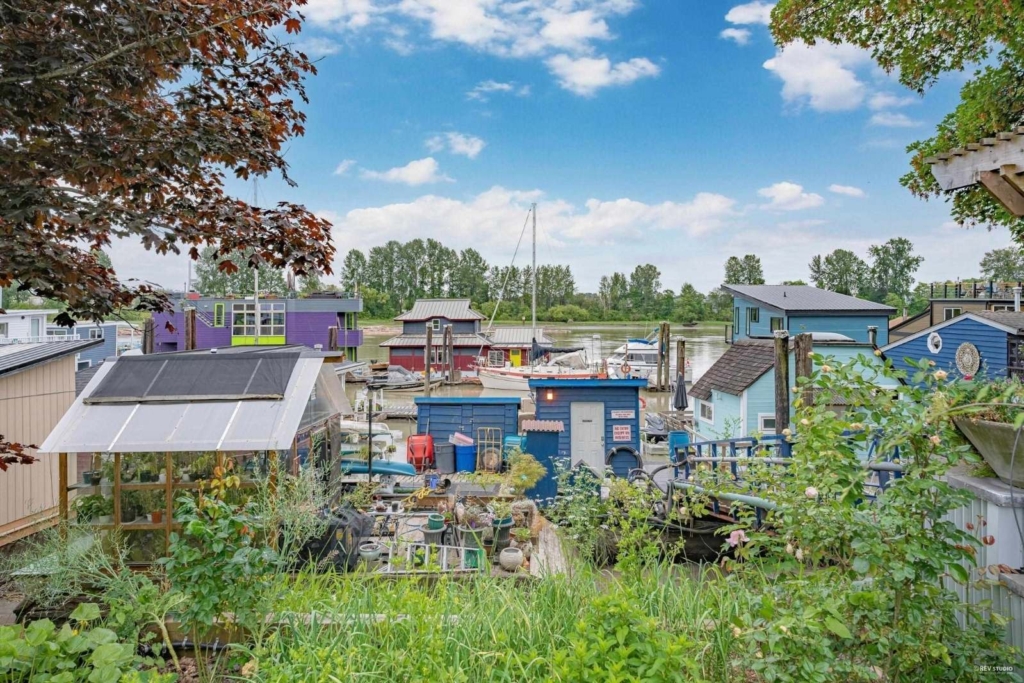
Renovated Float Home in Richmond – 12 – 23080 Dyke Road
Asking Price: $388,000
- Size: 840 square feet
- Bedrooms: 1
- Bathrooms: 2
- Dyke Road listing details
This recently renovated float home is a great option for those looking for a waterfront home on a budget. Located at Willows Reach Marina, this float home could be used as a rental or as your primary residence. By living on the Annacis Channel, commuting to Surrey, Delta, Burnaby, or Westminster is possible.
Stunning Views in North Vancouver – GNB 21 – 415 W Esplanade Avenue
Asking Price: $469,000
- Size: 680 square feet
- Bedrooms: 1
- Bathrooms: 1
- W Esplanade Avenue listing details
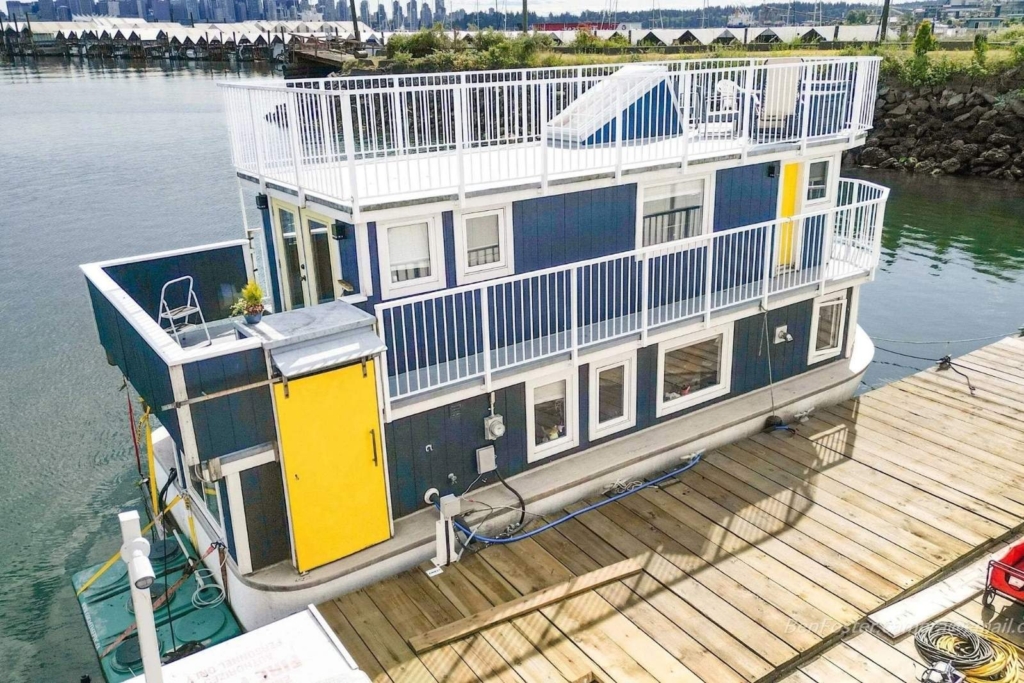
Imagine sitting on your rooftop patio, overlooking Vancouver, Lions Gate Bridge, the North Shore Mountains, and Lower Lonsdale, offering some of the best views of the area. The cozy interior features a pellet stove for easy heating and large windows that let in plenty of sunlight. Plus, with the convenient location in North Vancouver, you’ll have easy access to trails, shops, and other amenities.
Modern Float Home in Langley – 2W 20837 Louie Crescent
Asking Price: $485,000
- Size: 836 square feet
- Bedrooms: 1
- Bathrooms: 2
- Louie Crescent listing details
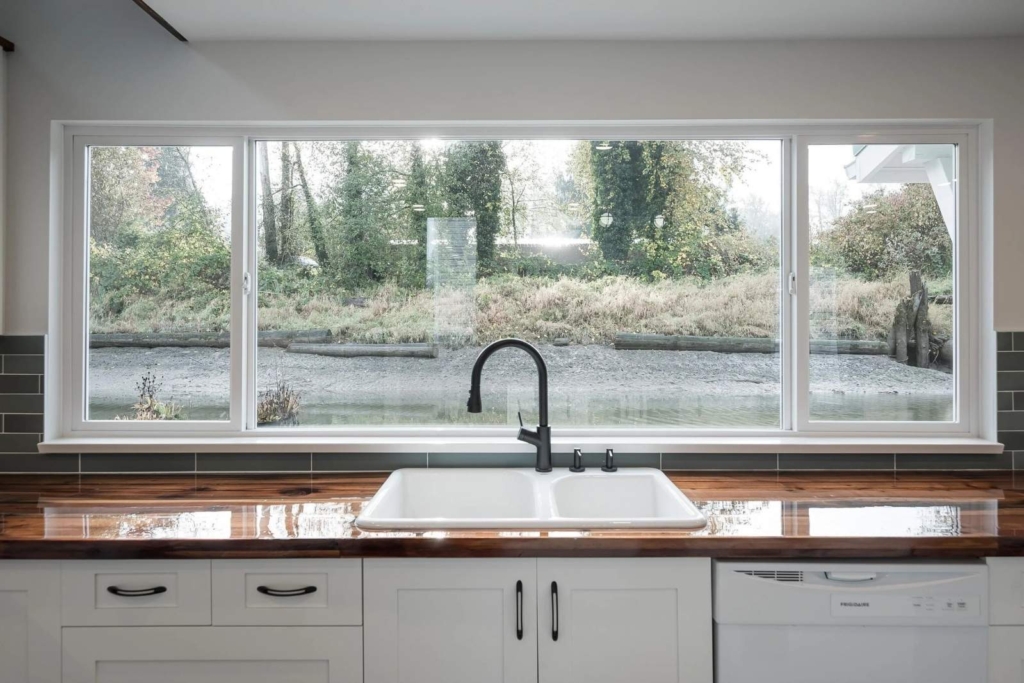
You’ll fall in love from the moment you walk into this one-bedroom, one-and-a-half bath home. The open concept home is bright and sunny, thanks to the plentiful windows and skylights. The primary suite occupies the entire second floor, boasting a soaker tub and breathtaking nature views.
Moreover, this stunning float home, nestled along the Fraser River, is just minutes from the Golden Ears Bridge and Fort Langley and offers easy access to Highway 1 for commuting.
Amazing Rooftop Patio in Richmond – 6W2 – 8191 River Road
Asking Price: $599,900
- Size: 1,156 square feet
- Bedrooms: 3
- Bathrooms: 3
- River Road listing details
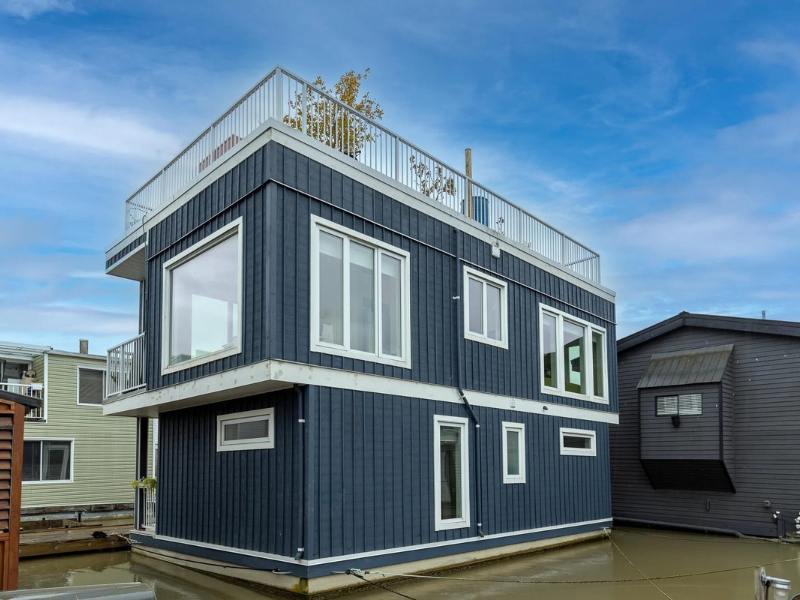
You’re sure to live your West Coast dream in this stunning float house for sale at Richmond Marina. This house offers the unique waterfront lifestyle that many dream of. Spend sunny days enjoying the views from your expansive rooftop deck or exploring the walking and cycling paths just minutes from your doorstep.
Inside, you’ll find bright, open spaces, an inviting living room, and a galley kitchen with stainless steel appliances. The primary bedroom boasts a beautiful ensuite bathroom, and the two additional bedrooms are perfect for your family or guests.
If you’re ready to join Richmond’s vibrant marina community, consider this float home for sale in Vancouver.
Exceptional Waterfront Lifestyle in Ladner – 1 – 3473 River Road W
Asking Price: $875,000
- Size: 1,200 square feet
- Bedrooms: 1
- Bathrooms: 2
- River Road W listing details
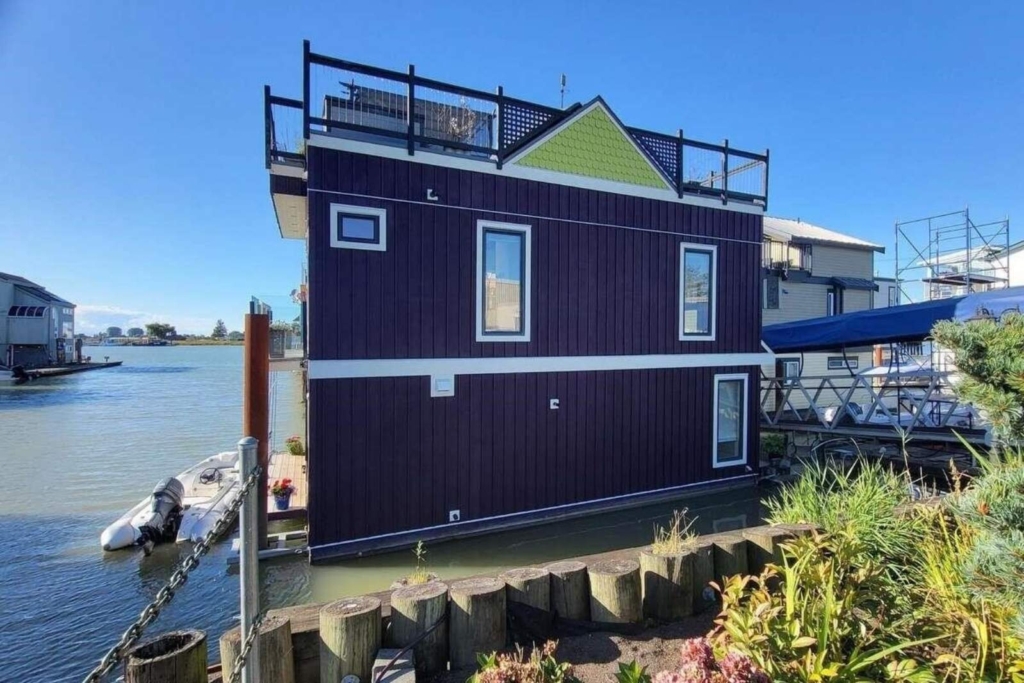
Every detail in this stunning float home was built with waterfront living in mind. Originally owned and built by a float home builder and designer, this home boasts floor-to-ceiling windows and a large rooftop patio with beautiful river views. Offering the ultimate in harbour community living, you’ll be able to enjoy sunset cruises on your kayak through Canoe Pass, crab and salmon fishing, and walking or biking the dykes to Westham Island. Moreover, nearby local shops offer fresh, organic produce and meat.
Moored in Marina Wes-Del Floating Home Village, a peaceful waterfront community, offering a private car garage with a storage loft. Located in a beautiful suburb of Ladner, where you’ll be just minutes from the historic Westham Island Bridge and Canoe Pass Village.
Luxury Floating Home in Delta – 4379 W River Road
Asking Price: $3,650,000
- Size: 2,191 square feet
- Bedrooms: 2
- Bathrooms: 3
- River Road W listing details
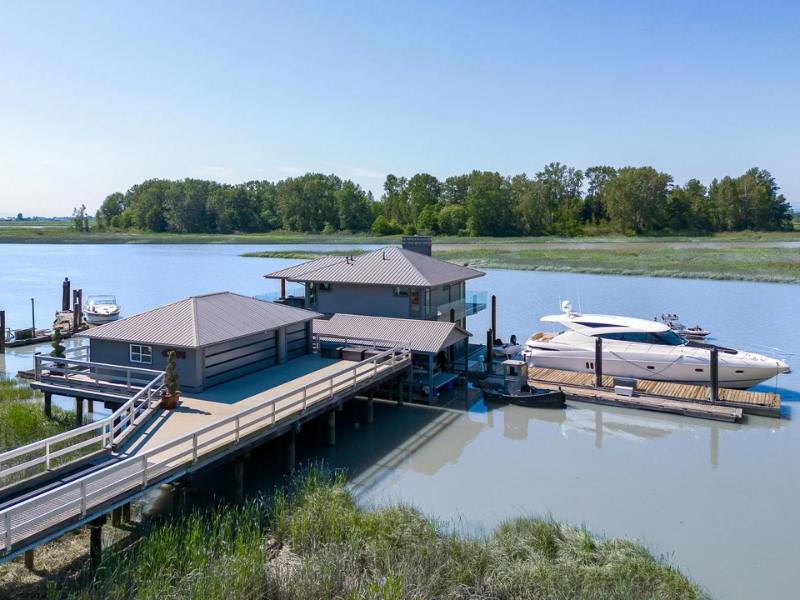
No detail has been overlooked in this waterfront residence. Inside, this exceptional home features a large gourmet chef’s kitchen, two generous bedrooms, and plenty of large windows to let in natural light. The primary bedroom boasts a large custom-built walk-in closet and an ensuite bathroom. On the second floor, you’ll find a large family room with a wet bar and a covered private patio–perfect for entertaining.
But this home truly shines in its outdoor space. Built with waterfront living in mind, it features a 60-foot dock, boat lift, and three-car garage. The expansive outdoor patio spaces feature your own private hot tub and outdoor kitchen.
Float Homes vs. Houseboats: Key Differences
Float homes and houseboats are similar, after all, they are both homes on the water. However, there are several key differences that may affect which water-based home is best for you.
Float homes are permanently moored in place. Additionally, they are often attached to utilities. On the other hand, houseboats have motors and can move through the water. They often have utility systems that can be used for temporary hookups at marinas.
Popular Locations for Float Homes in Metro Vancouver
You can find over 800 float homes around southern British Columbia in private marinas or along rivers and lakeshores. However, it’s essential to note that floating home moorage must be approved by the Province of BC in most areas. Float homes in Metro Vancouver are available in North Vancouver, Richmond, Delta, and Langley.
Most float homes are located in unique waterfront communities which feature marina amenities, private boat slips, scenic water views, and a vibrant waterfront lifestyle. Here are the most common spots to find a float home in Metro Vancouver:
Richmond
Richmond is an island city nestled within Metro Vancouver at the mouth of the Fraser River. Therefore, there are plenty of spaces where you might find float homes. Marinas include Richmond Marina, Riversbend Floating Home Village, Willows Reach Marina, and Shelter Island Marina.
North Vancouver
Across the Burrard Inlet, you will find North Vancouver, a scenic city offering great views of the North Shore mountains. Mosquito Creek Marina and Lynnwood Marina both boast floating homes.
Langley
The Fraser River makes up the northern border of Langley Township, and also serves as a home for float houses. Derby Reach offers a floating home community, just minutes from historic Fort Langley.
Delta and Ladner
Delta and its community of Ladner offer plenty of space for float homes to moor along the Fraser River. Marina Wes-Del and Ladner Reach Floating Home Marina offer moorage for floating homes.
What Are the Benefits of Float Homes?
There are many reasons you may want to live in a float home, including:
- Scenic waterfront views – Enjoy Vancouver’s natural beauty while living close to urban amenities
- Community of like-minded people – Float homes often attract residents with similar values and foster a sense of community
- Environmental closeness – Not only are you living on the water, but many floating homes are built with eco-friendly features like solar panels
In addition, float homes are exempt from the Foreign Buyers’ Ban in British Columbia.
What to Consider When Buying a Float Home
There are many factors to consider before you embrace waterfront living. Be sure to consider all the pros and cons before deciding to purchase a float home for sale in Vancouver
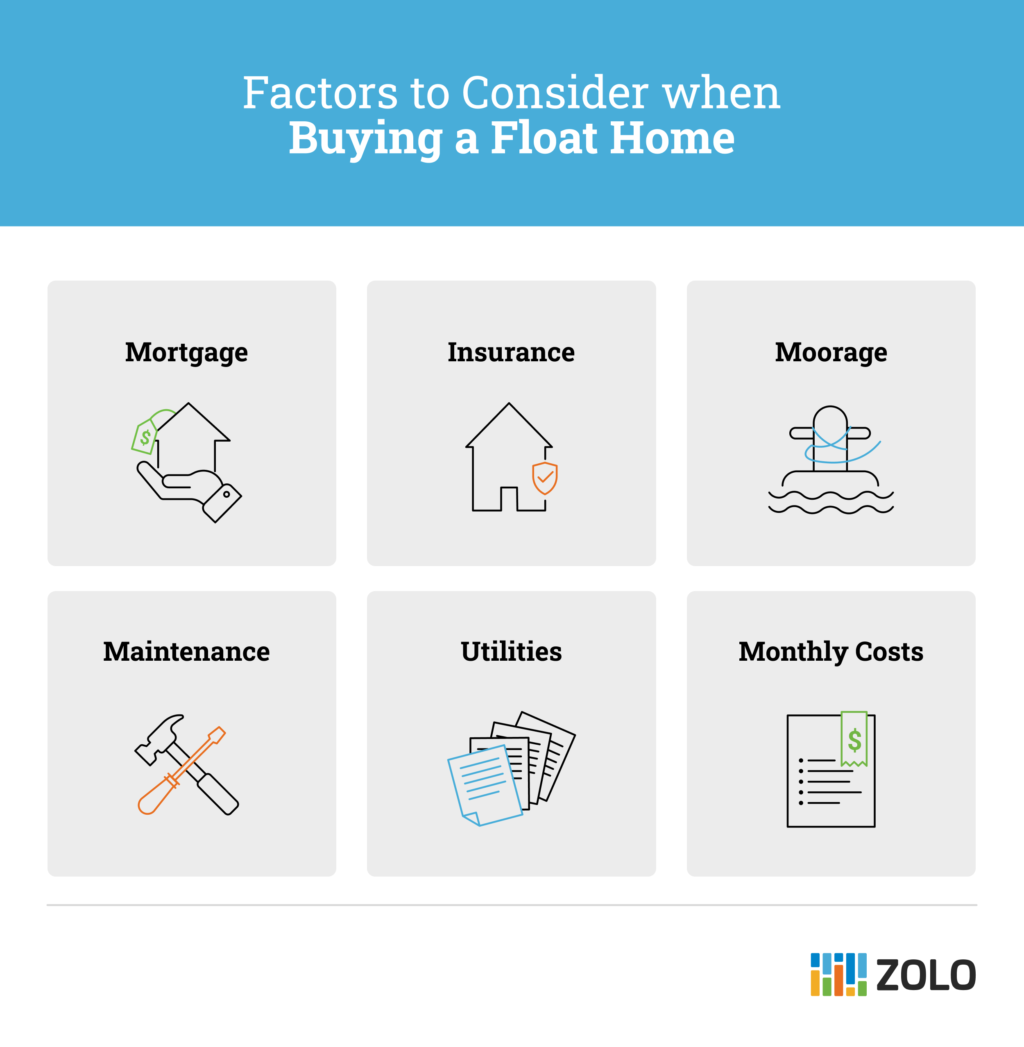
Mortgage
Not all mortgage providers will approve a mortgage for a float home. Therefore, it’s essential to do your research before you make an offer. According to the Floating Home Association of BC, TD Bank has approved mortgages for floating homes in the Vancouver area.
Insurance
Similarly, not all insurance providers offer home insurance for float homes. Floating home insurance is unique to Chambers Olson Ltd., based in Vancouver. They cover marine perils, such as sinking, stranding, collision, salvage, and tsunami.
Moorage
Moorage refers to where your float home is anchored. It’s important to note that finding open spaces for new moorage is rare in BC. Most float homes are sold with moorage included; however, moorage agreements are not always transferable. Therefore, before you purchase or build a float home, you should secure a moorage spot.
Moorage costs can be a significant expense when you own a float house. The total amount depends on the specific location and size of the float home.
Maintenance
A float house has unique maintenance needs, including regular hull inspections and maintenance, protecting the home in cold weather, and ensuring the electrical and plumbing systems are in good working order. When purchasing a float home, it’s a smart idea to hire a home inspector familiar with its unique needs.
Utilities
Utilities such as electricity and water may be managed and billed by the marina where your float house is moored. In addition, sewage and waste disposal are a particular concern for floating homes.
Monthly Costs
Like any property, owning a float home involves monthly costs. These costs can be high, especially moorage fees, which, depending on the size of the float home and the marina’s amenities, can exceed $1,000 per month.
Monthly costs related to your float home may include:
- Moorage fees
- Property tax
- Maintenance costs
- Utilities
- Homeowners Association fees (HOA)
Find Your Dream Float Home for Sale in Vancouver
Sure, Vancouver is expensive, but if you are searching for a shoreline house in Vancouver, check out the float home real estate listings. You may find a unique property encompassing the waterfront lifestyle you dream of.
Search for Vancouver real estate, learn more about the Vancouver housing market, or explore popular neighbourhoods on Zolo.ca.
Float Home FAQ
What is a float home?
A float home is built on a buoyant foundation which sits on the water and rises and falls with the tide. A floating home is permanently moored and is usually connected to municipal utilities such as sewer, water, and electricity.
What are the benefits of float homes?
There are many benefits to living in a float home. For many, the main draw of a float home is enjoying scenic waterfront views, often at a lower price point than other waterfront properties. Many float home owners enjoy a sense of community with other residents, and appreciate eco-friendly features like solar panels.
How long do floating homes last with proper maintenance?
With proper maintenance, float homes can last several decades, depending on their construction materials, according to the International Association of Certified Home Inspectors.
What are some disadvantages of living on a floating village?
Some downsides of living in a floating home include moorage fees, challenging maintenance, and weather conditions.
How much do floating homes cost?
The price of a floating home can range from a few hundred thousand dollars to well over a million dollars, depending on the size and location of the float home.
Do floating homes keep their value?
Generally, float homes do not appreciate in value like a standard property due to the wear and tear on the float house.
Can float homes be moved or relocated?
Yes, many float homes can be relocated. However, since float homes are designed to stay in one place, they are not easy to move. Towing a float home over long distances or through rough waters can damage the home. Additionally, relocating a float home can be costly, as you’ll need to consider towing fees, permits, utility reconnections, and any necessary repairs.
What are the environmental impacts of float homes?
Float homes have both environmental advantages and disadvantages. Many float homes are built with the environment in mind and feature eco-friendly features such as solar panels. On the other hand, float homes can disrupt aquatic life and ecosystems.
