
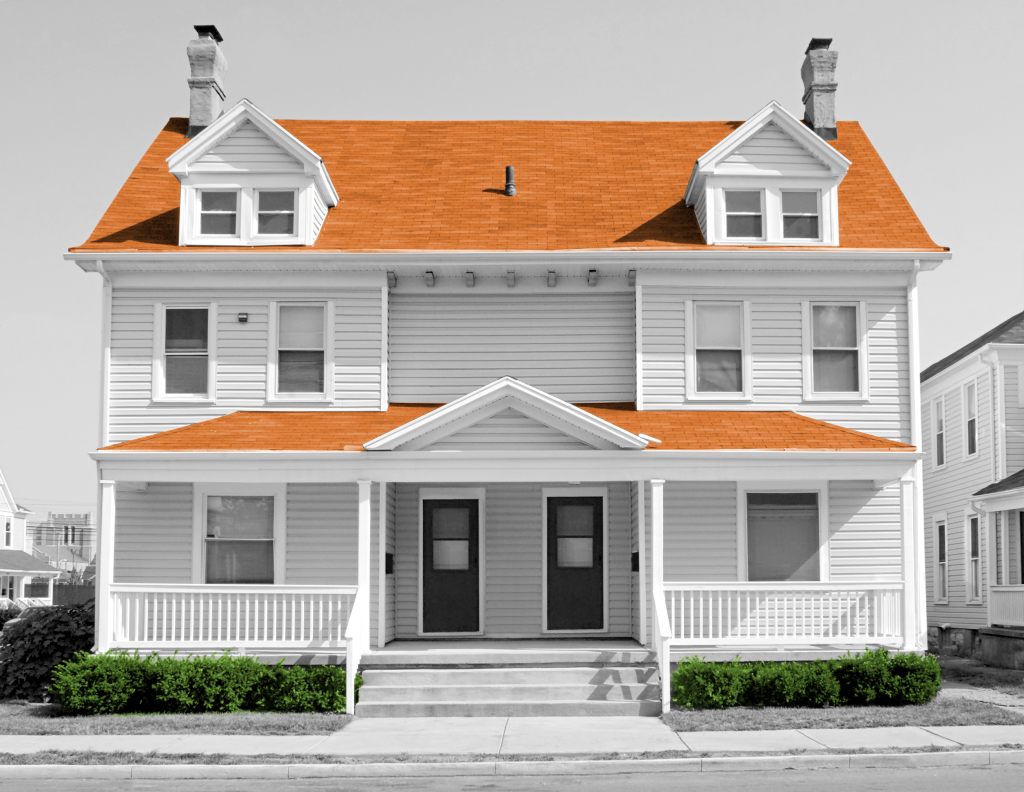
Landlord insurance differs from a homeowners insurance policy since you’re not living in the property and may not need as much coverage for your personal belongings. However, as a landlord, you want to protect your dwelling and personal liability since anything can happen when you’re not there that you could be deemed financially responsible for.
In this article, we will share everything you need about landlord insurance and its coverage.
Key Takeaways
- Rental property insurance differs from homeowners’ and renters’ insurance since you’re not living in the unit, but you’re still looking to protect yourself from any legal issues.
- As a landlord, you still want protection for your property and any belongings you leave at the unit. However, if you operate a short-term rental, the type of insurance policy you need will change.
- Your landlord insurance policy doesn’t cover your tenants’ personal belongings. You can request that they procure renters’ insurance as a condition of the lease agreement.
What is Landlord Insurance?

As a homeowner looking to rent their place out, you’re likely wondering what landlord insurance is about. Home insurance for rental property coverage will protect the structure of your unit, and any personal belongings you may have in the location. It also protects you from any financial losses if a tenant can’t pay their rent if the unit becomes uninhabitable.
As a landlord, you could also be held legally liable for any accidents that happen to your tenant or guests on your property due to your negligence in home repairs or maintenance. Landlord insurance protects against this.
How Does Landlord Insurance Differ From Regular Homeowners Insurance?
As a landlord, it’s assumed that you’re not living in the home, so you won’t have to spend the money on extensive personal coverage or other protection. For example, you won’t have to stress about additional living expenses or personal contents since this isn’t your residence. Home insurance for rental property coverage will mainly be about protecting the physical structure of your unit and your personal liability since you never know what can happen when you’re not living there.
A homeowners insurance policy aims to protect yourself and your family regarding any damage to personal belongings. As a landlord, you’re not worried about damage to your furniture or other expensive personal items.
What Does Landlord Insurance Cover?

General Liability
Landlord insurance will protect you and cover the costs if you’re deemed legally liable for any injuries or damages to a third party as a result of your home ownership. For example, a guest visiting the tenant could fall over a broken tile or slip off the railing and sue you for damages.
Property Damage
Rental property home insurance will cover your home’s walls, fixtures, electrical systems, and structure against any covered damages. You’ll want to ensure that you customize your policy based on your unit type. For example, you’ll want a specific type of insurance if you own a home you rent as a long-term rental and different insurance for short-term rentals on Airbnb.
Personal Belongings On the Rental Property
While you may not leave your clothing behind at the rental property, you may have a lawnmower or snow blower used to service the unit. You’ll want to ensure your landlord’s insurance policy covers items like these. You may also need further coverage if you have fully furnished a rental on your own, as this means that the expensive items on the property belong to you.
Lost Rental Income
Rental property insurance will cover lost rental income if your tenants can’t live in the unit due to a covered loss. For example, if a fire leads to extensive renovations and your tenant stops paying rent since they can’t stay in the home, your landlord insurance should cover this. However, rental property insurance coverage doesn’t always protect you from lost rental income.
How Much Does It Cost to Insure Rental Properties?
The next logical question is, how much does landlord insurance cost? Ratehub.ca says it can cost around $900 annually to insure a house and $400 to insure a condo. As always, the cost will vary depending on factors. Including your personal claims history, the unit’s location, the actual structure, and safety features.
It’s also important to mention that rental property insurance pricing will depend on the unit type and if it’s owner-occupied. The type of landlord insurance policy may change if you’re a live-in landlord or if you list your spare bedroom on Airbnb.
Do Tenants Still Need Their Own Rental Insurance?
It’s a common misconception that a landlord’s insurance policy will cover the tenant automatically. Rental property insurance coverage doesn’t cover other residents of your home that aren’t on your policy. For example, tenants and short-term guests. Your tenants will still need a rental insurance policy of their own since they have belongings and personal liability to worry about.
As a landlord, you can stipulate in the lease agreement that procuring renters insurance is part of the terms. You’ll want to stress to your tenants that your policy doesn’t protect them.
What Landlord Insurance Doesn’t Cover

One confusing area around landlord insurance is lost rental income. Rental property insurance will not protect you if a tenant stops paying rent due to a job loss or any other reason that doesn’t involve a covered loss.
This is why it’s encouraged that you do the following as a landlord:
- Study the local landlord-tenant laws
- Sign a detailed lease agreement based on your provincial laws
- Screen tenants thoroughly with reference checks
- Request a security deposit so that you don’t have to file an insurance claim for any damage to the property caused by a tenant
Unfortunately, you won’t be compensated if a tenant stops paying rent because they lost their job or have decided to stop paying rent. You have to go through the legal process, which will depend on the province in which you live.
Landlord insurance also won’t cover the following:
- Damage to your tenant’s personal items. If a covered loss damages the tenant’s belongings, from furniture to clothing, your policy won’t help
- General wear and tear to your property
- Earthquakes and landslides (unless you pay for additional coverage)
- Intentional tenant damage or tenant theft
When it comes to intentional tenant damages, theft, or refusal to pay rent, you want to look into your provincial laws to determine what could be done.
Where to Get Landlord Insurance Quotes
If you’re looking for landlord insurance in Canada, you can always start with your current provider to see what they offer. If you’re transitioning from a homeowner to a landlord or want an additional policy since you’re adding a rental unit to your existing home, you’ll want to share this information.
Here’s a list of some of the insurance providers that offer landlord insurance in Canada:
- Sonnet Insurance
- TD Insurance
- Square One
- Intact Insurance
It’s worth pointing out that rental property insurance differs from Airbnb insurance since it assumes you have a steady tenant and not short-term guests checking in for the weekend without proper screening (like a background check or an employment reference). As always, we recommend you speak with a qualified insurance professional to acquire the appropriate coverage for your property.
