

Whether purchasing your first home or looking for a way to reduce your expenses, you may be wondering about home insurance. “Do I need home insurance? And, if I do, how much insurance do I need?”
Why Homeowners Need Home Insurance

There are multiple reasons why homeowners need home insurance, from protecting their homes and belongings to reducing the financial risk associated with home ownership. Carrying insurance is almost a necessity to protect both you and your home.
The most crucial factor to remember is that home insurance is a critical investment for all property owners because it safeguards your property should an unexpected event, such as a fire or break-in, cause serious damage to it.
Without insurance, trying to rebuild your home may be financially devastating. Yet, there are still some factors to keep in mind. Let’s dive into what you should know about insurance and how much you need.
How to Evaluate Your Insurance Coverage Needs

How much homeowners insurance do I need, then? There isn’t a specific rule for this because your coverage needs are based on your home’s worth and the risks against your property. It’s up to you and your insurance agent to navigate this decision based on a number of factors. The following are common areas to focus on:
How Much Does It Cost to Replace My Home?
If your home suffered a devastating fire, you would expect your homeowner’s insurance to cover the rebuilding costs. That would entail cleaning up the existing structure, designing a new home, and then handling the rebuilding process. However, the cost of rebuilding a home is often much higher than the building’s value in an open real estate market.
The best way to determine how much coverage you need is to have your home appraised. Talk to local home builders about the cost to rebuild your current home at today’s costs.
It is also worth asking your mortgage lender, “Do I need homeowners insurance before closing on the purchase, and if so, how much is the minimum coverage you require?” That could give you some idea of how much coverage you should have for dwelling coverage.
How Much Liability Coverage Should I Have?
Liability coverage can also range widely. Typically, it’s recommended that property owners have at least $1 million in liability coverage. iSure.ca notes that if you have a pool, playground or pets, you may want to consider a higher limit. You may have coverage up to $5 million available to you.
Work with your insurance agent to get the right amount in place. Ask what claims in your area have been made for liability coverage in the last few years. That can give you an idea of what you need in this area.
How Much Do I Need to Cover My Personal Belongings?
The next level of coverage focuses on your belongings. Your agent can recommend coverage options based on the type of assets you own. You can also inventory your home’s belongings and use that to determine how much you should have.
You can choose replacement cost coverage, which will pay you the amount to replace the item at the current price, or actual value coverage based on the asset’s current value. Remember to add specific assets that are very valuable to your policy.
Different Types of Coverage That Homeowners Might Need
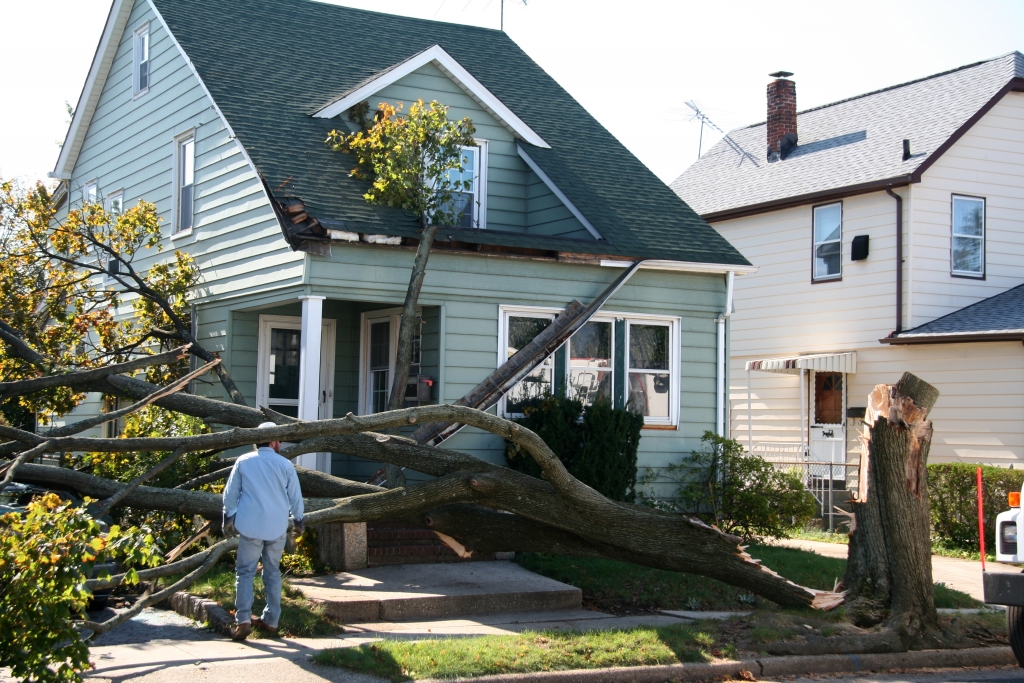
Is home insurance mandatory in Canada? No, it is not required by law, but your mortgage lender may require that you maintain a policy until you repay the loan in full. Even though it’s not mandatory, there are good reasons to maintain a policy, especially as it reduces your risks.
The key questions then are what type of insurance is beneficial and why.
Personal Property Insurance
Personal property insurance protects your belongings, including everything you own in your home. Sometimes called “contents insurance,” this coverage component may replace your furniture, appliances, electronics, clothing, and other items.
However, personal property insurance has an upper limit that includes the total amount of replacing items and a maximum per-item limit. If you have highly valuable items, list them specifically on your policy to ensure coverage.
Personal Liability Insurance
Personal liability insurance helps protect you when someone else files a claim against you. For example, if a neighbourhood kid suffers a broken arm after climbing on your tree, this policy may help cover the medical bills and other claims made against you.
Personal liability insurance may help pay for the damages in a claim against you. It also helps cover the cost of hiring an attorney to defend you against unfair claims.
Dwelling Coverage
Dwelling coverage protects the structure itself. It’s what your mortgage lender wants you to have as long as you have a home loan. This component of your policy covers accidental and unavoidable losses and damage to the property.
Dwelling coverage typically includes coverage for the repairs or the rebuilding of the home up to the dollar amount listed on the policy. It may consist of the house itself and any noted outbuildings or garages listed on the policy.
Talk to Your Insurance Agent to Compare Policies
Your insurance agent can help you find the right level of financial protection for your home. Numerous specialized policies, including protection for key assets, special features, or risks to your home, are also available. A one-on-one consultation with your agent can help you find the best insurance company for you, and compare your options.
