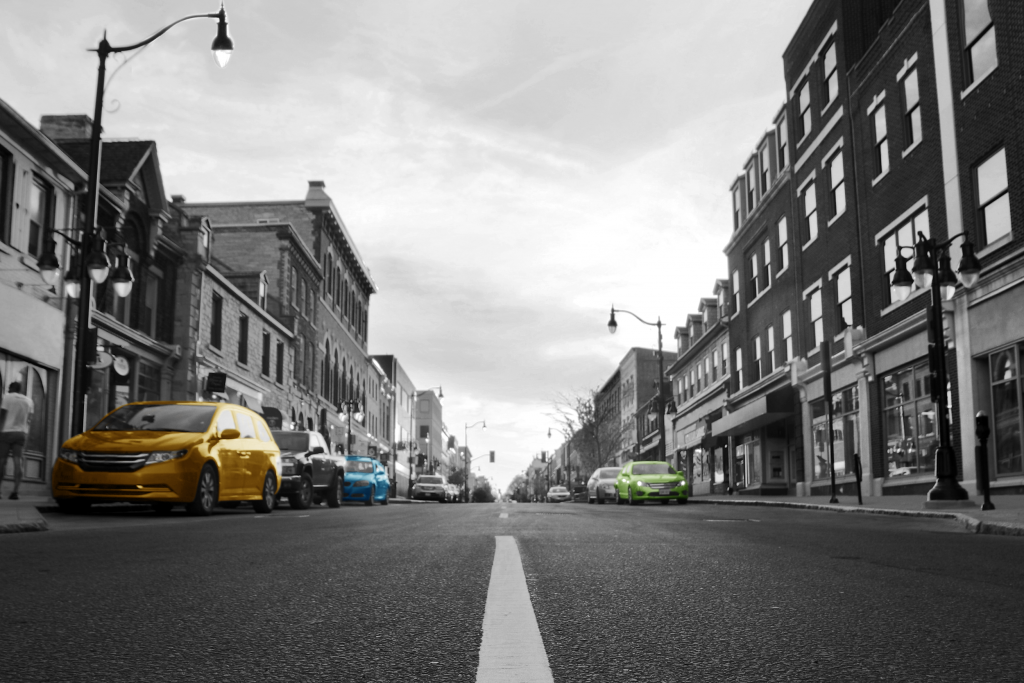
Did you know that the fastest-growing cities in Canada aren’t large cities? It’s true! Surprisingly, population data from Statistics Canada has shown that Canadians favour more suburban and rural areas in search of lower housing prices and flexible working conditions.
While the Statistics Canada report on population growth released in January 2023 showed a significant rebound in the population growth of large urban cities in 2021 and 2022, many Canadians are choosing to live in rural or suburban areas, with some areas seeing as much as 44% growth from 2016 to 2021.
Top 10 Fastest Growing Cities in Canada
The ten regions where the populations are the fastest-growing are:
East Gwillimbury, Ontario
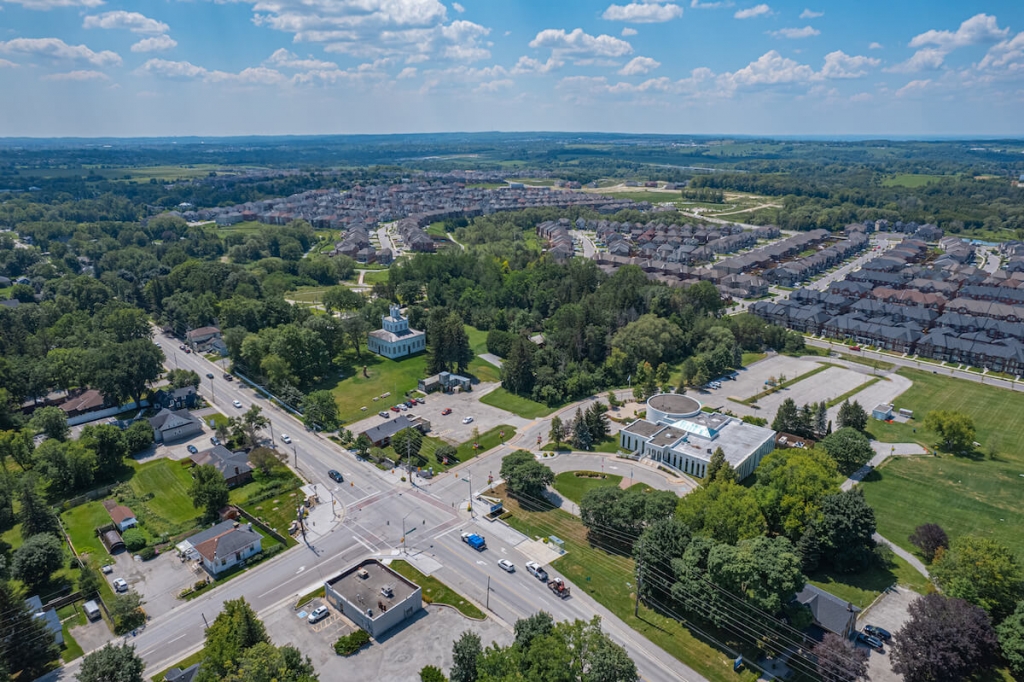
- 2016 Population: 23,991
- 2021 Population: 34,637
- Growth rate from 2016 to 2021: 44.4%
- Average home price: $1,331,556 (December 2023)
Just 30 minutes north of Toronto, it’s no surprise that the town of East Gwillimbury, Ontario, is the fastest-growing city in Canada. This city is perfect for those who want to live close to the job opportunities that a big city provides and for those craving more green space. The town of East Gwillimbury boasts 70% green space comprised of farms, forests and recreational spaces for all your outdoor activities.
The Blue Mountains, Ontario
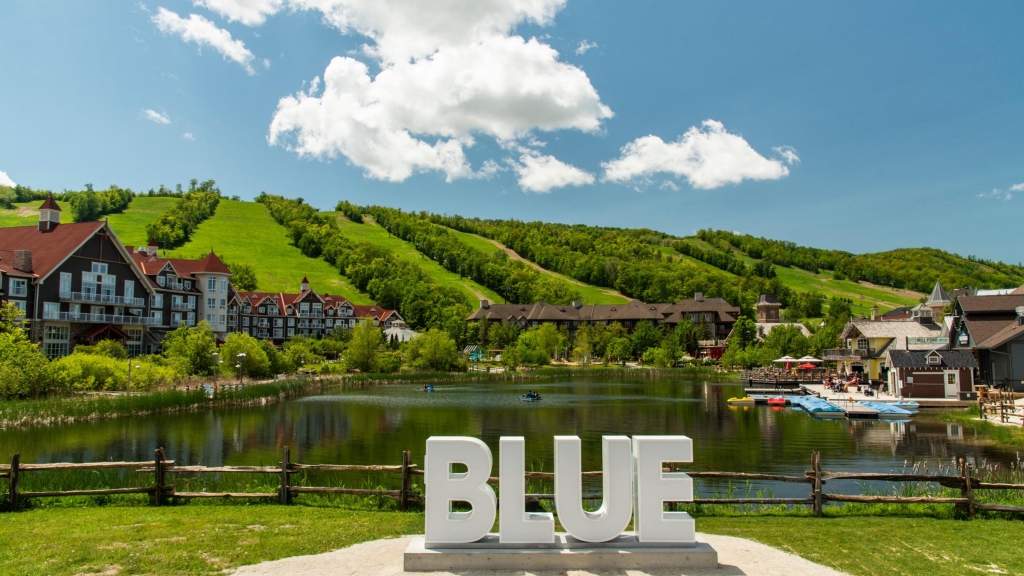
- 2016 Population: 7,025
- 2021 Population: 9,390
- Growth rate from 2016 to 2021: 33.7%
- Average home price: $659,100 (December 2023)
Home to several ski resorts and nestled along the shores of the Georgian Bay, The Blue Mountains is not only a popular vacation destination in Ontario, many people are electing to make it their primary home as well. With a population under ten thousand, you can enjoy the benefits of a small town and still be within driving distance of an urban centre.
Langford, British Columbia
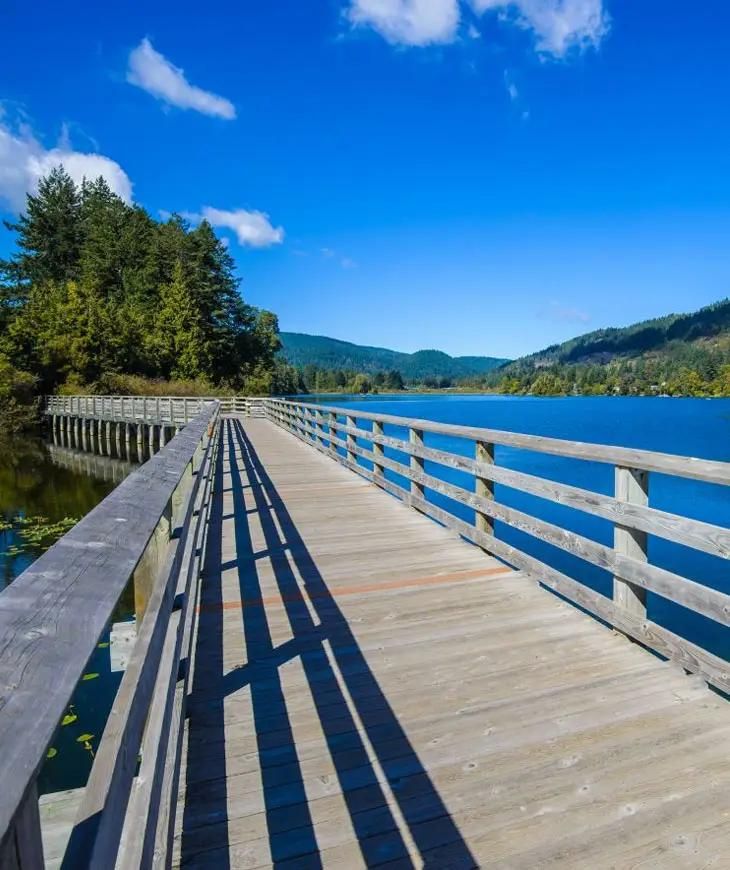
- 2016 Population: 35,342
- 2021 Population: 46,584
- Growth rate from 2016 to 2021: 31.8%
- Average home price: $1,058,400 (December 2023)
Surrounded by nature on Southern Vancouver Island, Langford, BC, has experienced over 30% population growth over the last few years. We can imagine that one of the things driving the influx of new residents is their year-round activities, which include trails for hiking, golf courses, museums, and more.
Saint-Apollinaire, Quebec
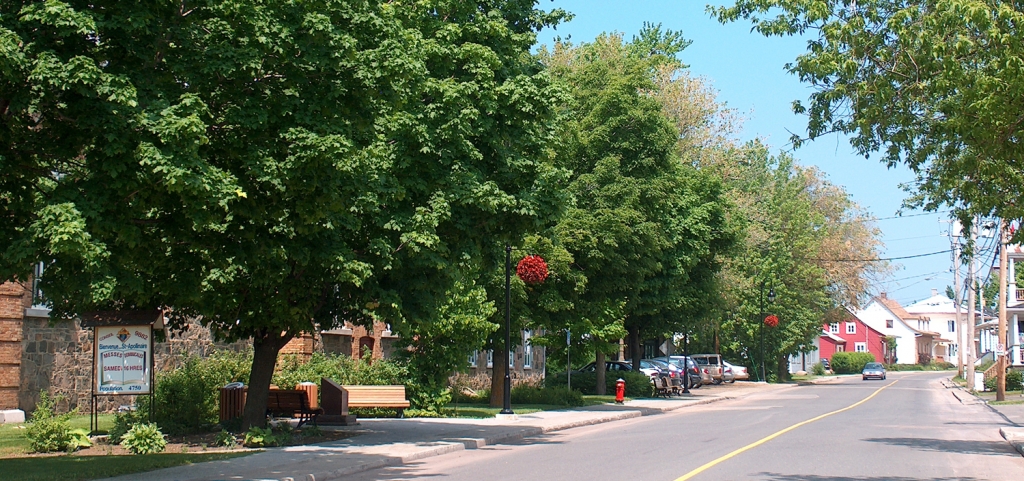
- 2016 Population: 6,110
- 2021 Population: 7,968
- Growth rate from 2016-2021: 30.4%
- Average home price: $285,000 (source)
The fastest growing town in Quebec is Saint-Apollinaire, only a forty-minute drive to Quebec City. Given that housing prices in Saint-Apollinaire are reasonable, and with a short commute to Quebec City, this small town will likely continue to experience population growth.
Niverville, Manitoba
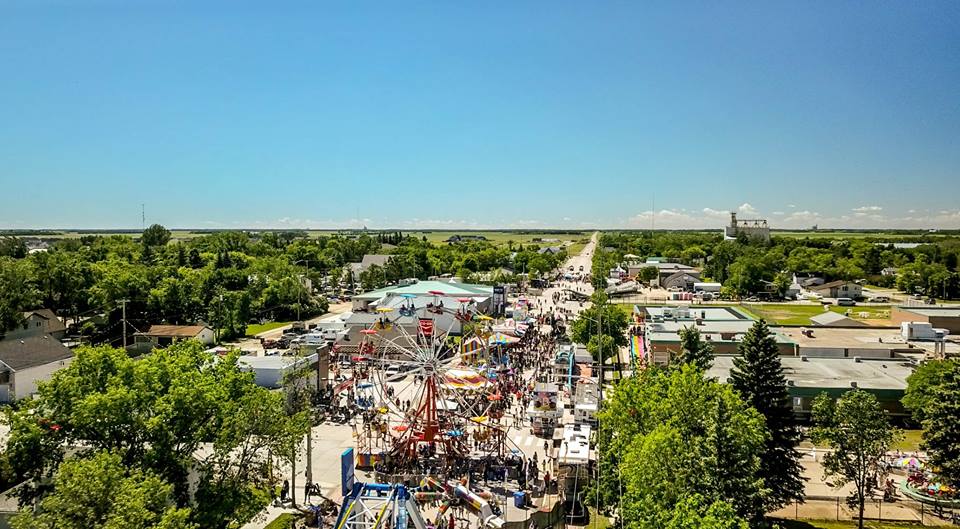
- 2016 Population: 4,610
- 2021 Population: 5,947
- Growth rate from 2016 to 2021: 29%
- Average home price: $332,100 (December 2023)
Once just a proposed stop on the New Canadian Pacific Railway, the town of Niverville is approximately equally distanced between Winnipeg and Steinbach, making the commute to either city possible. Niverville strives to be as environmentally friendly as possible and boasts many parks, trails and playgrounds.
Southern Gulf Islands, British Columbia
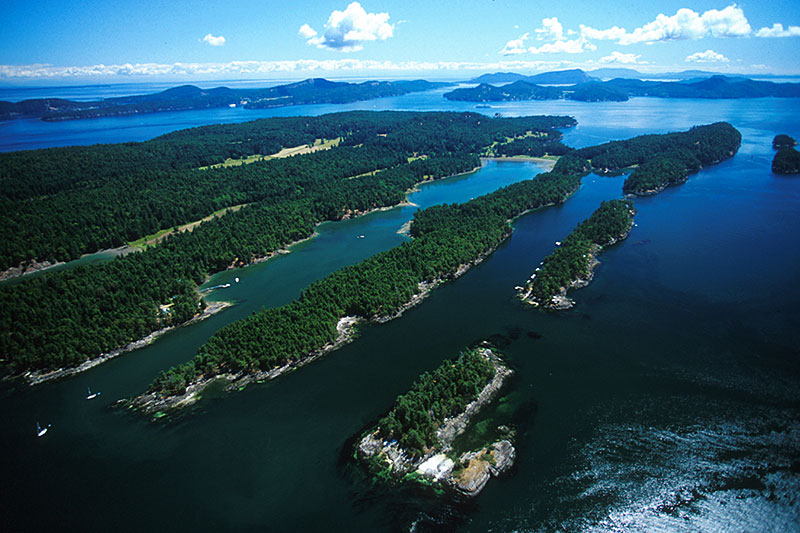
- 2016 Population: 4,732
- 2021 Population: 6,101
- Growth rate from 2016 to 2021: 28.9%
- Average home price (Gulf Islands): $731,200 (December 2023)
If you’re looking to live in a small town, then this area of British Columbia may be right for you! The Southern Gulf Islands comprise several islands in the Strait of Georgia, with Salt Spring Island being the most populated. Accessible by ferry and water taxi, residents of these islands embrace rural living and enjoy year-round outdoor activities, for example, hiking, kayaking, fishing, and more.
New Tecumseth, Ontario
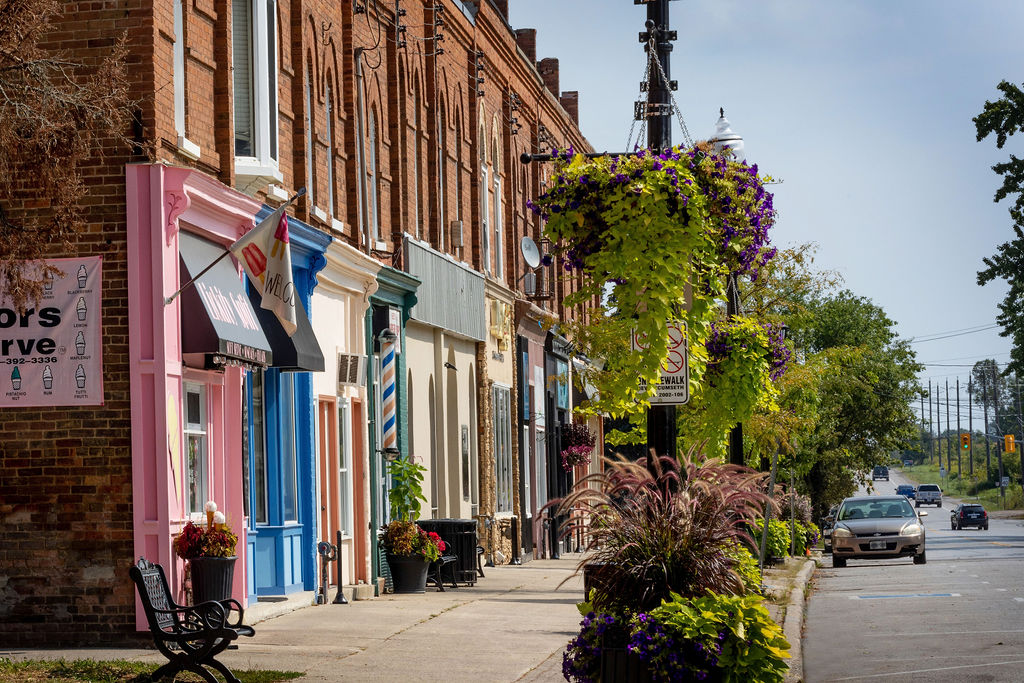
- 2016 Population: 34,242
- 2021 Population: 43,948
- Growth rate from 2016 to 2021: 28.3%
- Average home price: $819,500 (December 2023)
North of Toronto, New Tecumseth is a city experiencing rapid growth. Encompassing the smaller towns of Alliston, Beeton and Tottenham, Statistics Canada reported that the average age of residents in 2021 was 40.6 years old, which is slightly under the provincial average of 41.8. It’s not surprising many young families would choose to live in New Tecumseth, considering its proximity to downtown Toronto and Barrie.
Thorold, Ontario
- 2016 Population: 18,801
- 2021 Population: 23,813
- Growth rate from 2016 to 2021: 26.7%
- Average home price: $606,200 (December 2023)
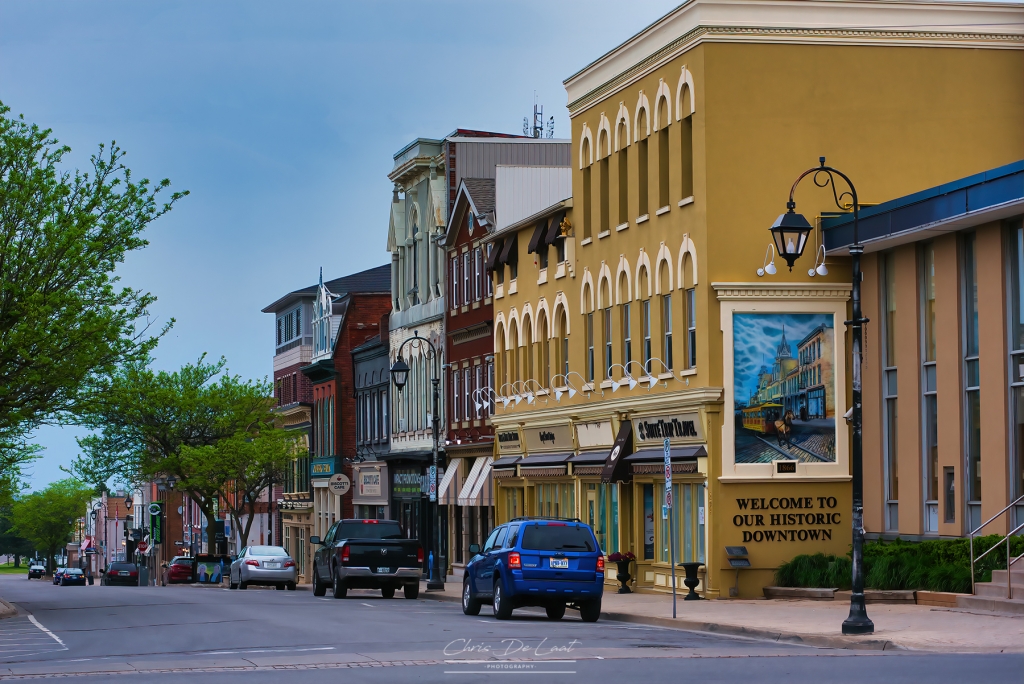
Located in the Niagara Escarpment, Thorold benefits from being a ten-minute drive to Niagara Falls and just five minutes from St. Catherines. Given that Thorold is one of Canada’s most historic cities, you can find character homes, designated heritage properties and a charming downtown area with local shops and restaurants.
Bromont, Quebec
- 2016 Population: 9,041
- 2021 Population: 11,357
- Growth rate from 2016 to 2021: 25.6%
- Average home price: $508,300 (December 2023)
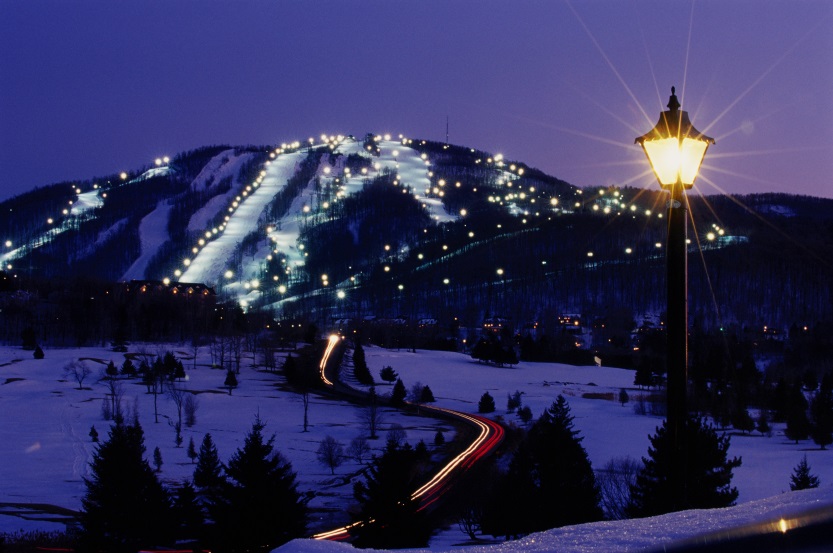
At the base of Mont Brome, the town of Bromont is an active town boasting a ski hill, golf courses, a biking path, a venue for Olympic equestrian competitions and more. Bromont is also home to a high-tech industrial park, including IBM and General Electric. Since it is located approximately halfway between Montreal and Sherbrooke, commuting to either city for job opportunities is possible.
West St. Paul, Manitoba
- 2016 Population: 5,368
- 2021 Population: 6,682
- Growth rate from 2016 to 2021: 24.5%
- Average home price: $332,100 (December 2023)
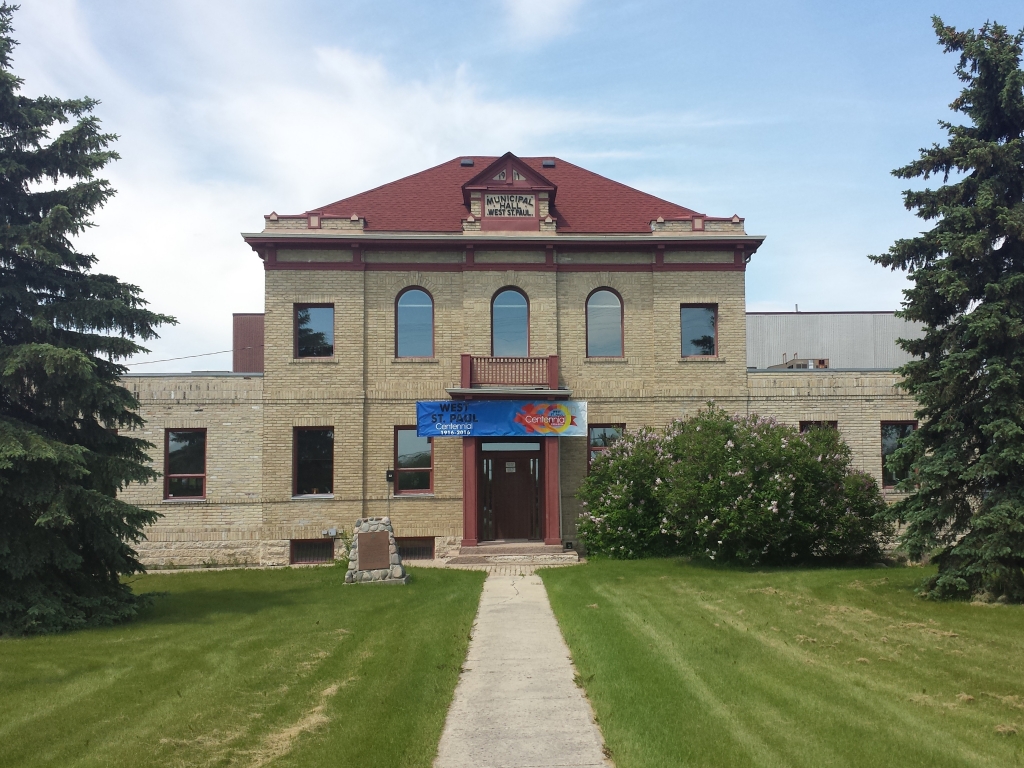
Neighbouring the capital city of Winnipeg, West St. Paul, Manitoba, boasts a small-town feel while still being part of the Winnipeg Metro Region. The cost of housing in West St. Paul is reasonable, with the average home price being just over $332,000, well below the national average.
What Is Causing Canadians to Migrate from Cities to Towns?
There could be several reasons for this trend. For starters, rising real estate prices make it more and more difficult for people to afford a home in major cities. Therefore, with more companies offering flexible working conditions, employees no longer have to move to big cities to find work and can put their mental health first.
Many of the growing cities in Canada benefit from their proximity to larger metropolitan areas while maintaining a smaller-town feel, which could be a critical factor in their population growth.
Overall, the number of Canadians living in peripheral municipalities grew by 6.9% between 2016 and 2021, according to Statistics Canada, outpacing the growth of central municipalities which are at the core of central municipal areas. This phenomenon is known as urban spread. Many people may be drawn to rural suburbs by the desire for more space and affordable housing.
Three of Canada’s ten fastest-growing regions are in areas that have historically been considered tourist municipalities or resort cities. The Blue Mountains, Southern Gulf Islands, and Bromont offer you a chance to live in nature and enjoy attractions such as ski hills, water parks and hiking. As a result, these popular tourist towns are transforming from holiday homes to year-round homes for many people.
Of the provinces of Atlantic Canada, only the small cities of Wolfville, Nova Scotia, and Cornwall, Prince Edward Island, made the top 25 list. Both of these small cities are further away from census metropolitan areas.
Lower Cost of Living Draws Canadians to Small Cities
One reason for this growth is that people are moving away from Canada’s larger urban centres. This migration is partly because these towns offer a significantly lower cost of living than cities. For example, the median house price in Toronto is over $1.2 million, whereas the median house price in New Tecumseth is $819,500.
Another reason these towns are growing so rapidly is that they offer a better quality of life than the city. These towns are located in some of the most beautiful parts of Canada and offer plenty of healthy activities such as hiking, biking, and swimming.
It’s impossible to know whether this trend is due to a general choice among Canadians for a better quality of life or whether COVID-19 inspired a move to the countryside that people were already considering, just sooner. So, Canadians are clear about what kind of life they choose, where they want to live, and what they want to do next.
The Fastest Growing Cities in Canada Are Small Cities
As Canada’s population grows, so does the number of people living in suburban and rural areas. While this growth is happening nationwide, some provinces and cities are seeing more significant changes than others. Ontario, for example, is home to several of Canada’s fastest-growing cities.
FAQs
What are the fastest-growing cities in Canada?
Many of the fastest-growing cities in Canada are small towns or smaller urban centres close to large cities. For example, East Gwillimbury and New Tecumseth are considered part of Toronto, Ontario’s census metropolitan area (CMA). Langford, British Columbia, is the only town on the top 10 list considered farther away from a CMA. On the whole, the data presented by Statistics Canada is evidence of the ongoing urban spread of large Canadian cities. Population growth in suburban municipalities is often attributed to young adults leaving the downtown core in search of space and often to start a family.
What are the top fastest-growing cities?
All the cities outlined in Canada’s top 10 fastest-growing towns are in central and western Canada, with Ontario boasting the top two spots. While British Columbia, Quebec, and Manitoba all contribute two municipalities to the top 10 list. On the other hand, East Gwillimbury, north of Toronto, Ontario, takes the top spot as the fastest-growing city, with growth of over 44% from 2016 to 2021. However, three other suburban municipalities surrounding Toronto make up the top 25 list: Tecumseth, Bradford West Gwillimbury, and Milton, outpacing the growth of the Toronto CMA as a whole.