You’ve thought about the value of growing your own food and being less reliant on others, but are you ready to take the plunge and become a homesteader? What is a homestead? With significant commitment and a passion for learning, you may be able to create a life based on the land that allows you to develop a much higher level of self-sufficiency.
What is a Homestead?
A homestead is a property typically comprised of a home and adjacent property.
There are multiple interpretations of the homestead definition. In the most basic sense, it’s the process of becoming self-sufficient. While traditionally, this could mean off-the-grid living, today, the term is more widely used to refer to any steps and strategies taken to improve self-sufficiency. You can invest in homesteading to the degree that’s right for you. Taking it slow and building a solid foundation is often the way to start.
Make sure to distinguish the practice of homesteading from the homestead exemption, which is related to a legal tax break that seniors may qualify for.
Homesteading Step-By-Step Guide
Consider this beginner’s plan for homesteading, a type of step-by-step guide to knowing where to start.
- Define what homesteading means to you so you know what tasks to focus on. Decide how you would like to start and to what level you want to go off-grid.
- Set some preliminary goals for yourself for your first year. What would you like to learn and implement first? For example, it could be a garden, solar energy system, or water conservation method.
- Determine where you wish to live. Are you looking to move out of your current state, and what type of climate are you looking to live in?
- Set up a budget for yourself. Be realistic. Ensure you can meet your needs and not put yourself where you have no funds to survive.
- Start with one project and work your way up. This strategy could include using a garden for all your vegetables or creating a home for chickens to provide food and income.
- Work to simplify your life in tandem with building up your homestead. For example, as you harvest vegetables from your garden, this time is the perfect opportunity to eat fewer products from grocery stores.
- Learn from others by making friends with other homesteaders. A large community and network of homesteaders are willing to share and help future homesteaders succeed. Reach out to them for support.
- Work to perfect your efforts by keeping a journal. Tracking what you did and what worked will help you succeed in your homesteading endeavours.
How to Get Started as a Homesteader
Before jumping into this process, creating a plan and making some basic decisions helps. Focus on these areas first.
Decide Where to Live
What is a homesteader to you? For some, it means purchasing a large amount of land in a remote area, but for others, it could mean a property with a couple of acres just outside the city. Determine where you wish to live based on your goals within and outside the homesteading process.
Set a Budget
Homesteading may reduce your daily costs in the long term. Still, it takes significant money to establish initially, especially if you need to purchase land and materials. According to Our Simple Homestead, the cost to create a homestead is approximately $240,000 to get everything in place, and it takes time – up to 15 years to get it to be self-sufficient. You can begin with a minimal budget of a few thousand dollars to transform a portion of your yard into a garden. Then, work to build that up over time if you want to start small.
Simplify Your Life

Decide to remove the “extras” from your life. That doesn’t mean giving up the internet or all of your belongings, but the more you remove from your day-to-day life, the lower your costs are and the fewer demands you have for your time. Consider the following ways to simplify your life.
- Getting rid of belongings you don’t need that don’t hold sentimental value
- Reduce the amount of energy-required items in your home, such as going from TVs and laptops in every room to just one in the home
- Move to a simpler diet, focusing on wholesome food, often including meals that you can prepare from the food harvested from your garden
- Put more time into learning skills that build your homesteading abilities, like gardening, woodworking, and plumbing, while focusing less on buying stylish, trendy, or collection-like thing
- Focus on spending more time at home, at least as you get started.
Learn to Preserve and Grow Food
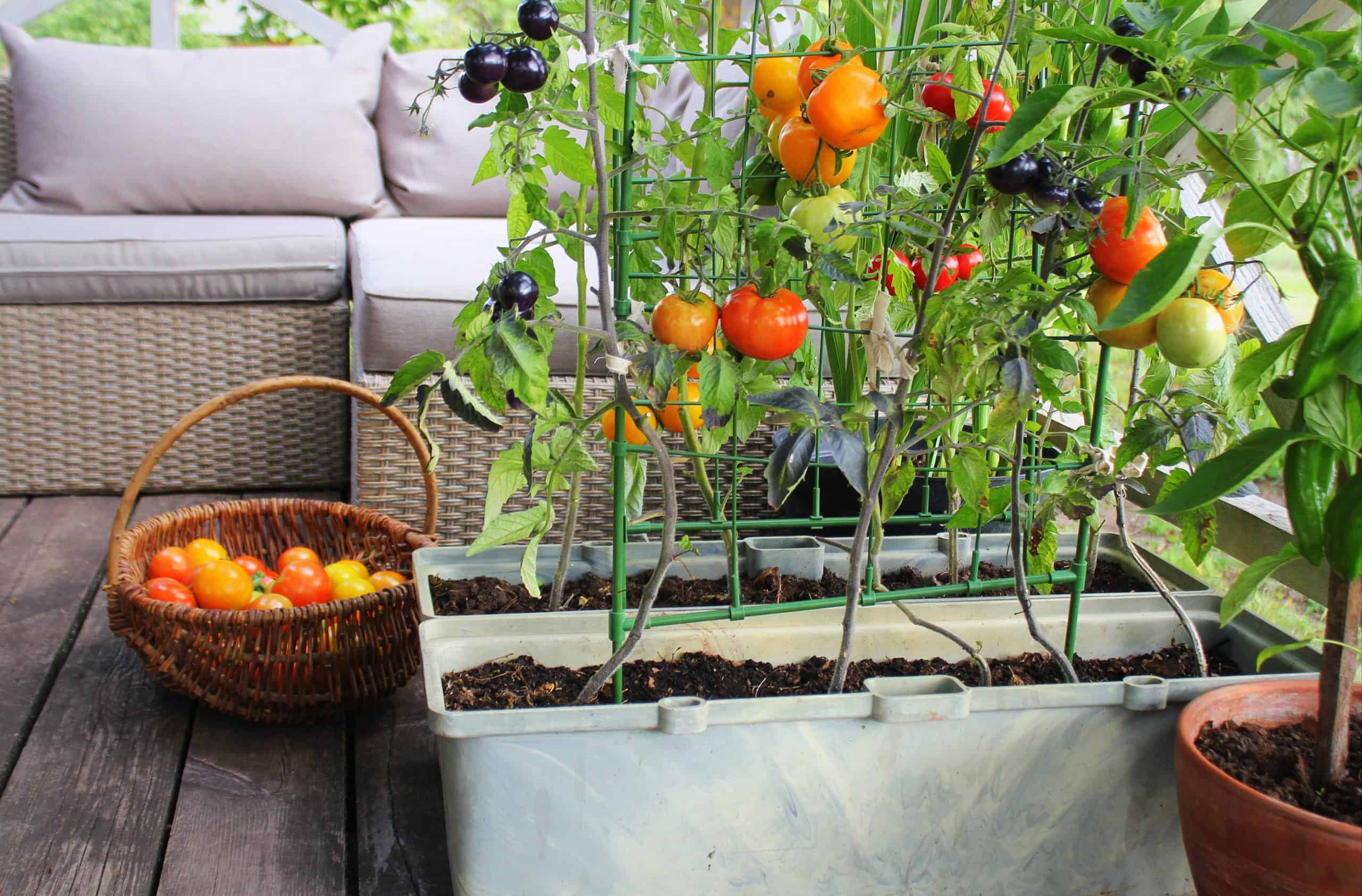
One of the hallmarks of homesteading is the ability to grow your food. Consider starting with learning your local growing season, what plants do best in it, and when to get started. In most areas, you should be able to grow for several months a year, but don’t overlook fall vegetables and greenhouse growing, which can help to extend your growth.
Start with a few crops and work your way up. While your focus will likely be on growing, remember preserving is also key. You can find a lot of resources online to help with this process, including videos and how-to groups on social media. Start with Homesteading.org to find community groups.
What to Expect in the First Year of Homesteading
What is a homesteader to expect that first year? Most often, there will be a lot of ups and downs, but every time you try something, you are learning, which makes the next time around better. Expect:
- To spend a lot of time researching and learning
- Hard work, including breaking a sweat outside and inside your home
- Failures, including crops that do not grow
- Start-up costs and ongoing expenses that may get decrease over time as you become more successful and learn what works
- A sense of accomplishment as you watch yourself create a better way forward
What Is the Homestead Exemption?
Take a few minutes to learn about the homestead exemption, too. The homestead exemption isn’t related to the modern definition of homesteading. It is a legal exemption or tax credit that reduces your property taxes. The homestead exemption is typically a tax relief tool for lower-income homeowners and many seniors. It does not apply directly to land use but is based on qualifications set within your community (often the city or the county).
Keep the End Goal in Mind
As you think about the homestead definition, make sure you clarify what it means to you. Is your homesteading goal to live off the land? Do you want to reduce some of your dependence on commercial enterprise? Write down that goal, and focus on it even on the tough days.