
A recent study by Bloomberg.com indicates that more than three million Canadians lost their jobs during the Covid-19 pandemic. And though the bulk of those jobs have been restored, the impact is widespread. In addition, because of missed payments, late payments, and increased personal debt, many Canadians now find themselves with bruised or damaged credit that urgently needs repair. But help is available. There are several simple, easy to employ tips and strategies finance professionals recommend to help rebuild your credit.
Check Your Credit Score
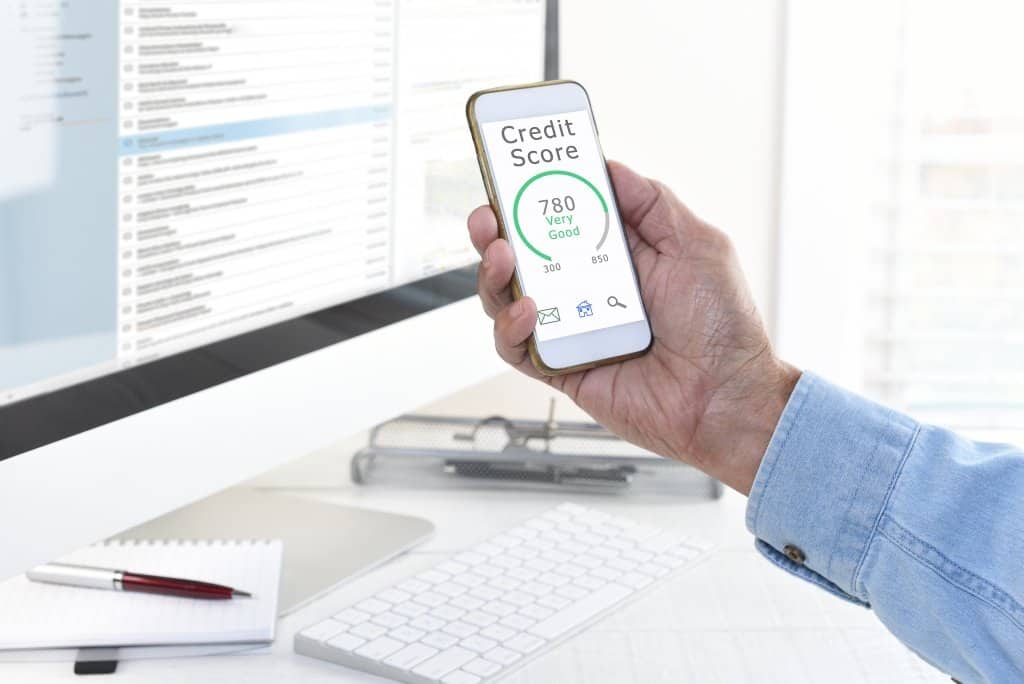
If your credit has been damaged, it will very likely be reflected in your credit score. Credit scores fall into five ranges from Poor to Exceptional. Your credit score is a three-digit number between 300 and 850. The higher the number, the better your score.

A good credit score can be life-changing. For example, when applying for a mortgage, a line of credit, automobile, or personal loan, a good score can garner lower interest rates, smaller payments, and better terms. Conversely, a poor score will generally result in higher interest rates, steeper fees, and limited options. A poor credit score also makes it harder to rent an apartment, get a credit card, insurance, or a job.
In Canada, there are a few different ways to check your credit score. For example, your financial institution or credit card provider may share it with you, you can download a financial tracking app, or you can use free online services such as Credit Karma, Borrowell, or Credit Sesame.
Understand Your Credit Score
Several important factors go into calculating a credit score. Here’s how it’s broken down:
- Your payment history – 35%
- The amount of debt you hold, also known as utilization – 30%
- The length of your credit history – 15%
- Number and type of new credit applications – 10%
- Your credit mix – 10%
Understanding how your credit score is determined will empower you to make the adjustments that will boost your score, rebuild your credit, and maintain a higher score long-term.
Check Your Credit Report

You’ll also want to request a copy of your credit report. Your credit report will provide details of your financial history, alert you to any fraudulent activity, and expose errors or anomalies that might negatively impact your score. You can request your report from many places, including the three major credit bureaus, Equifax, Experian, or TransUnion.
Brian Martucci of Money Crashers recommends taking a hands-on approach to reviewing your credit. “Regularly dive into the details of your credit reports and aggressively challenge erroneous items,” he says. “DIY credit repair is easier than most people realize; many creditors will remove items flagged by consumers if there’s truly an error.”
Make On-Time Payments

Since your payment history makes up 35% of your credit score, there is no issue more critical than making payments on time. So, if you have a pattern of missed payments, consider setting up automatic payments. Most lenders offer auto-pay as an option, and some offer perks or incentives for borrowers who use it.
According to Karen Condor, a finance expert with Loans.org, it’s also a good idea to make sure your automatic deposit schedule and billing schedules align. “If the payment due date puts you in a crunch with your payday schedule, call the billing companies and ask to change your payment due date,” she suggests. “It may help you to stagger your pay dates, so you’re not paying all of your bills at the same time.”
And if you can, make sure your payments are more than the minimum. An extra $10 or $20 each month can go a long way in reducing interest charges, especially with high-interest credit cards.
Know Your Credit Utilization

Credit utilization is calculated by dividing your outstanding balances by your credit limits. For example, if your credit limit is $10,000 and your due balance is $5,000, your credit utilization is 50% ($5,000 ÷ $10,000). High utilization is a red flag for lenders because it suggests out-of-control spending, insufficient income, or both. Therefore, lenders prefer a utilization rate of 30% or less.
According to The Debt Relief’s Adem Selita, many consumers have excellent payment histories but less than optimum credit scores because of high credit utilization.
“Utilization is 30% of your credit score,” he states, “and neglecting it can have a detrimental impact on your credit. You always want to keep utilization below 30%, i.e. keep no more than a $3,000 balance on a credit card with a $10,000 limit. Improving your utilization rate will usually provide an instant boost to your credit the month after it’s reported to the bureaus.”
Obtain a Secured Credit Card
One of the best ways to get your credit back on track is by establishing a solid payment history on a secured credit card, so says The Ascent’s Matt Frankel.
“These work essentially the same as a standard credit card,” he insists. “The big difference is that you’re required to make a savings deposit (which you’ll eventually get back) equal to your credit limit, which is why even consumers with bad credit can get one.”
Demonstrating that you can reliably make payments on a secured card can go a long way towards rebuilding your credit.
Avoid New Debt

Resist the temptation to apply for new credit cards to earn free airline miles or receive discounted online purchases. Every credit card application generates a hard inquiry on your credit report. Unfortunately, too many of these, especially in a short period, can negatively impact your credit score. According to Bankrate.com, a hard credit inquiry reduces your credit score by up to 10 points. Hard inquires can also remain on your credit report for up to two years.
Free airline miles and online discounts are nice, but they can be costly. If you’re serious about rebuilding your credit, they can wait.
Check Your Money Mindset

The saying, “Old habits die hard,” is well known to many. But the second sentence of the phrase is lesser-known but just as accurate: “But if you are not careful, the person you used to be can overtake the person you are trying to become.” If you attempt to rebuild your credit, the second sentence should resonate as loudly, if not louder, than the first.
That’s because, in addition to the tips listed above, you’ll need to replace old habits like shopping and spending with new ones, budgeting and saving. Correcting the bad habits causing bad credit will turn your desire for a solid financial future into an accomplishment.
Remember, bad credit happens to good people, but it doesn’t have to be a life sentence. Instead, these few time-honoured steps will rebuild your credit and set you up for financial stability in the future.