
The pandemic has drastically shifted our lives. Suddenly, working from home is standard for employees who used to spend 40+ hours in the office, seeing family is a treat rather than an obligation and hanging out with friends has turned into a virtual event. Besides the effect the pandemic has had on our daily lives, it’s given us new respect and appreciation for our health and safety.
While we can’t change the inevitable fact that everyone will die someday, we can prepare for it. Planning for incapacity or death includes more than just writing a will. What some don’t know: Estate planning isn’t only for people with multiple properties. We all have assets, whether that’s your bank accounts, cars, personal possessions or digital assets (yes, your Instagram account). Creating an estate plan will help your loved ones respect your final wishes.
In this guide, we cover why you should have an estate plan, explain the most common terms associated with estate planning, list the biggest mistakes to watch out for and share expert tips, so you feel prepared.
What Is Estate Planning?
Your estate plan is a collection of documents with clear instructions on how to proceed with your assets if you become incapacitated or after you die. It’s a guide for your loved ones that will help them handle your final wishes and assets the way you would’ve wanted.
Your estate plan can be a great relief to the people you leave behind, because it allows them to take time to grieve instead of fight over assets or dig through mountains of cryptic notes and unsorted paperwork. If you don’t prepare a will or estate plan, a person close to you (usually a spouse or adult child) will have to file your documents, get a court to appoint them or settle your estate, which is often stressful and complicated.
What Is the Difference Between a Will and an Estate Plan?
Your will is a legal declaration of your last wishes, but it does not have to include a detailed list of your assets. That’s because assets can change over time — you buy a vacation home, you sell a vacation home — even if your intentions do not change. For that reason, a will is a legal document that is used as part of your estate plan.
As an integral part of your estate plan, your will should include a variety of important details, such as:
- Your executor (the person who will carry out the provisions of your will)
- Your beneficiaries (anyone who will inherit your assets)
- Clear instructions on how and when your beneficiaries will receive the assets
- Guardians (the person or people who will assume responsibility for your children if they are minors)

While you may want to review your estate plan every year or two, you only need to update your will because of a major life event, like getting married, divorced or having a child. During this update, make sure your documents are up-to-date and official (either notarized or, at the very least, signed and dated with a witness that is not a beneficiary). Doing this helps remove any doubt about your intentions.
Essentially, your will lists the intentions you have for your loved ones and your assets after you die. It is not a document that defines all of your assets — that’s where an estate plan comes into play.
There are a couple of good reasons to list your assets in your estate plan instead of your will.
- Updating your will can be costly and you’d have to update it every time your assets change. Instead, you can include your assets in the estate plan, which you can change whenever you want without worrying about legal costs.
- After probate, your will can be accessed by the public. If you include assets in your will instead of your estate plan, which remains private, everyone can find out what assets you possessed.
“Your will becomes public domain after it goes through probate, and many people don’t want onlookers to know what assets they held at the time of their death.” — Erin Bury, founder and CEO of Willful
Bottom line: If you want to save money and keep your assets and end-of-life wishes private, don’t rely solely on a will. Create an estate plan and list your wishes and assets in there.
4 Reasons Estate Planning Is Important
Understanding why estate planning is so important may help you remember to update yours frequently or encourage you to get one started. Here are four great reasons to develop and maintain an estate plan.
1. Protects Your Children
Children under the age of 18 need help and supervision, and while no parent likes to think about their untimely death, fact is, you need to consider and make plans for your child should this terrible situation occur. Your will is the legal document that lets you dictate who will take legal guardianship of your children and what assets the guardian and children will have access to, should you die prematurely. When selecting and naming the guardian(s) for your children, be sure to select someone you trust.
These are some of the factors you should consider when deciding on a guardian:
- Their age and health: Guardians should outlive your children reaching the age of majority, which is either 18 or 19 depending on your province.
- Their financial situation: Guardians should be able to provide for your children financially until they’re adults.
- Whether they’re a guardian for other children already: You’ll want to avoid a person who is already a guardian for other children because it may affect whether or not they can take your children in.
2. Protects Beneficiaries
Your minor children aren’t the only ones you want to protect. In your will, you can list the people who will inherit your assets. In your estate plan, you can list additional assets that have named beneficiaries — assets that are outside of your will, but will pass on to your stated heir. Remember, your will is like a set of specific instructions, while your estate plan is the map that helps your loved ones navigate and understand how your assets will be distributed.
3. Eliminates Family Fights
Grief and greed often go hand in hand. In fact, 42% of Canadians report inheritance disputes or disagreements with their family members after the death of a loved one. Creating clear, organized and official paperwork that leaves no room for misinterpretation will make your loved ones feel better about carrying out your last wishes, and also help avoid family fights.
“[Not] having a will means assets are distributed according to a provincial formula. This formula has a very specific order – it allocates assets to spouses first, then children, then parents, and so on. It often doesn’t match up with what the person would have truly wanted, and it can lead to common law spouses and other family members being left out” — Erin Bury
Bottom line: Leave clear instructions behind so your loved ones don’t have to endure chaos and complications after you pass.
4. Spares Heirs From Tax Burdens
Your estate plan will spare your heirs from unexpected tax burdens that are associated with finalizing your estate and with a potential inheritance. There are two types of taxes your estate will face when you die.
- Your final income tax return (terminal return)
- Probate fees
A proper estate plan will have a clearly defined plan for dealing with the payment of these taxes.
What is probate?

A probate fee is what you pay to have the deceased person’s last will and testament validated. Validation is when the courts review and confirm that the estate plan documents are legal, in order and that your last wishes can be completed. How much you have to pay for the validation depends on the province you live in. You must complete probate before any other action can take place. If you left a valid will and complete estate plan behind, this process is usually pretty straightforward.
If you do not have a will or it turns out the will doesn’t include all of your assets, the process to determine them and the beneficiaries can become lengthy and lead to high legal costs. To save your heirs from these financial and emotionally draining burdens, it helps to have a notary or lawyer assist you in writing your will and collecting any legal documents. You can also use an online platform that specializes in estate planning.
How to Reduce Your Terminal Tax Bill
An estate plan will help minimize your final tax bill so your loved ones aren’t hit with substantial taxes upon inheritance.
This final tax return needs to be filed in the calendar year of your death and includes the market value of your retirement accounts, stocks portfolios, bond and real estate investments — even if these investments have not been sold. Your death means the ownership of these assets must change; tax authorities consider a change in ownership of an asset to be the equivalent of selling the asset. In tax talk it’s called a “deemed disposition” and it relates to any assets and investments which are transferred to your beneficiaries or spouse that must be included as part of your final income on your last tax return.
Keep in mind that income is taxed based on brackets, with higher-income earners paying a higher percentage. As of 2021, the highest federal income tax bracket is 33%. Add to this the provincial tax rate and your beneficiaries could end up paying half of your estate to the tax authorities if you don’t properly plan.
Part of proper planning includes leaving clear instructions on who receives each asset. Being clear about your intentions helps avoid added legal fees as your will goes through probate; it also prevents court-appointed trustees from liquidating your estate (converting it to cash) in order to easily disperse your assets among your legal heirs.
To help prevent arguments, which lead to legal battles, your executor should confirm that the Canada Revenue Agency (CRA) has closed the file on the estate and the final tax bill is paid before moving on to manage or distribute the assets. This also means that potential heirs need to refrain from selling or splitting assets before the final tax return is completed. If actions are taken before paperwork is completed it can trigger financial problems which often take time and money to fix — only delaying the final distribution of your estate to loved ones.
Finally, you should discuss your intentions with your loved ones as well as your financial professionals. Let each know who is named as beneficiaries on life insurance policies, pensions or registered accounts and pass this information on to your financial planner, tax or insurance advisor. By naming beneficiaries you can remove these assets from the probate process and get them into your loved ones’ hands sooner.
Estate Planning Checklist
A lot of steps and thought go into estate planning. Having a checklist can help ensure you’re not missing anything. These seven steps are essential in keeping your estate plan up-to-date.

Step 1: Define Your Assets and Their Value
It’s that simple, define your assets. You may be surprised by how much stuff you own that can be passed onto loved ones once you start this process. You can divide your assets into tangible assets (stuff you can touch) and intangible assets (stuff you can’t touch).
Here’s a quick checklist that includes some of the tangible assets your estate plan should include.
- Personal possessions (photographs, clothes, furniture, etc.)
- Properties and other real estate (your home and vacation home)
- Vehicles (cars, motorcycles or even boats)
- Collectibles (stamps, coins, art, etc.)
The following are intangible assets that you should account for in your estate plan:
- Bank accounts (chequing, savings and certificates of deposit)
- Retirement plans and life insurance policies
- Stocks, bonds or mutual funds
- Business ownership
- Digital assets
The last one may need a bit more explanation. We all have digital assets these days. Whether these are your monetized or personal social media accounts, or apps you use to transfer money online or order groceries, they all count as assets that need to be considered in your estate plan. Here are a few concrete examples of digital assets:
- Instagram or Facebook accounts
- Email accounts
- Loyalty points (coffee shop or grocery store)
- Travel rewards
- Crypto assets (bitcoin)
- Digital photos and videos
- Gaming tokens
If you want your loved ones to have access to any or all of these assets, or the ability to shut them down or use them after you’ve passed or become incapacitated, ensure that these assets are included in your will. Besides a curated list of all your online accounts, you should provide your heirs with passwords and your final wishes so they know what to do with your digital assets.
Some apps like Facebook have a legacy contact option or a reporting feature to gain control over or shut down the account of a deceased or incapacitated person. It may be worth checking these out.
Once you’ve defined all your assets, you can estimate their value. A recent appraisal of your property, a financial bank statement or a printed version of your loyalty points are helpful documents to add to your estate plan (and update regularly). Collecting these numbers while you’re creating your estate plan will also allow you to get a better overview of the value you’ll be passing onto your heirs.
After your passing, the current value of your assets will be validated or updated during probate.
Step 2: Check on Your Family
Your estate plan is your final say and can protect your loved ones in more than one way. Besides minimizing fights over assets with clear instructions, it’s important that you account for your immediate family’s needs. Here are three ways you can do so:
- Check your life insurance. Your life insurance should help your spouse and children cover any costs that your income previously paid for. Regularly updating your policy will ensure that your family will be financially cared for when you’re no longer able to support them.
- Name a guardian for minor children. Define one or multiple guardians to ensure your children have someone to live with and your estate’s assets won’t be drained by costly court fights over who gets to take care of your children. You can even define backup guardians to ensure your children have someone to live with if your first choice is unavailable.
- Define your wishes for your children’s care. You’ll want the person or people who’ll become your children’s guardians to know what you would’ve wanted for your kids. You can document wishes which will be passed onto the selected guardians.
Once you feel confident that your family is taken care of in the event of your death, you can share your final wishes with them and so they can respect them.
A fairly casual and more fun approach to discussing your estate plan is to host a death dinner. During the virtual or in-person dinner, you can review your will and estate plan with friends and family. This setting allows them to ask questions and can make your eventual passing easier on them. You can also host a virtual death dinner over a video call if you can’t host your family members for an in-person event.
Step 3: Account for Legal Directives
Your estate plan isn’t just a guide for your loved ones to refer to in the event of your death. If you become ill or incapacitated, a well-thought-out estate plan can help your loved ones understand your final wishes.
“If you establish your estate plan and legal directives properly, you’re empowering your loved ones to feel that they’re doing right by you,” explains Bury. The following legal directives can be included in your estate plan.
- Living trust: A living trust is an important estate planning tool for anyone with high value assets. It’s a legal document that appoints trustees to manage your property. You can transfer valuable property (e.g. your business) into a trust. The trustee will be able to manage your trust assets while you’re alive and if you become incapacitated. When you die, the trustee is authorized to distribute your trust assets without a will which keeps the assets private and allows you to bypass lengthy and costly probate. However, living trusts require high costs for legal and tax advice while you’re alive. We recommend asking your financial advisor if this estate planning tool is a valuable option for you and your heirs.

- Healthcare directive (or living will): Your living will tells your family or medical care team what your wishes are if you’re no longer able to speak for yourself. You can include clear instructions for your trustee on how to proceed with your health care and medical procedures in the case of a life-threatening accident or terminal illness so they can make an informed decision on your behalf.
- Establish a strong financial power of attorney: It is important to define a power of attorney (POA) for your estate. This legal document gives someone else the power to act on your behalf if you can’t speak for yourself anymore. While your health directive outlines your medical wishes, your POA outlines what must be done to manage your assets and take care of your bills and taxes, and assigns someone legal responsibility to act on your behalf.
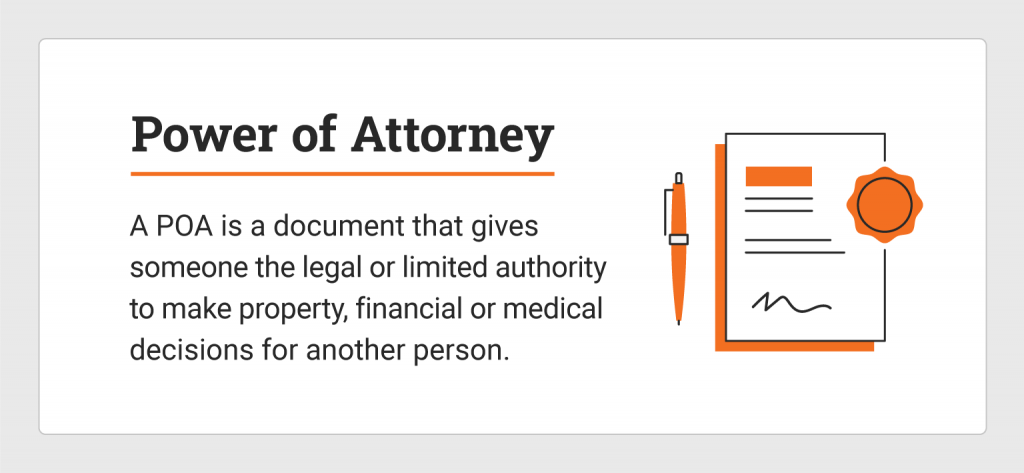
- Define a limited power of attorney: If you’re worried about giving someone else full financial control over your assets, you can create a limited power of attorney (LPOA) instead of a POA. For example, this document can allow a person to pay your bills but not withdraw money from your bank account for other reasons.
- Review who gets the power of attorney: You’ll want to pick these people very carefully. After all, they’ll have the ability to decide what happens with your assets and maybe even your life. You may want to consider different people for your financial and medical representation and identify a backup for each, should your first pick be unavailable.
Step 4: Appoint and Update Executors and Beneficiaries
Part of creating your estate plan is to determine and appoint executors and beneficiaries. Your executor will carry out the instructions of your will and ensure that your final wishes are respected.

You can pick your spouse, a close relative or friend, but a business partner or your lawyer can also be your executor. Your decision depends on who you trust most to handle your assets. It’s best to choose someone who’s likely to outlive you and lives close by so they can avoid travelling to take care of your assets. Keep in mind that the executor can make a claim against your estate for a small percentage of your estate’s value, to cover the time and costs associated with carrying out their executor duties.
“Appoint a lawyer to manage and transfer your assets to the designated beneficiaries. They can do this smoothly, legalize your plan [and ensure] that all the information you have decided on is in the right hands.” — Monica Beffa, lawyer and founder of Beffa Law
Your beneficiaries will be the ones monetarily benefiting from your passing, so you’ll want to ensure the right people are included in your estate plan.
Retirement accounts or life insurance policies usually include a beneficiary designation. Don’t leave these sections blank because when the account goes through probate, it will be distributed according to provincial rules. Instead, name your beneficiary and add contingent beneficiaries in case the first one isn’t available anymore.
Keep track of the beneficiaries you list on your accounts and policies so you can update them when necessary. This is crucial because these documents can outweigh what you state in your will.
If you don’t update your beneficiaries regularly, you may risk leaving a part of your estate to someone you didn’t plan to include, like a former business partner or an ex-spouse.
Step 5: Review Local Probate Fees
Probate fees vary between provinces and are charged based on the value of the assets that the court must legally verify as part of your estate and must be passed on to an heir. As a result, probate fees can cost your estate thousands of dollars if the right type of assets were not removed from the probate process.
You can get an estimate of the probate fees that will apply to your estate to better prepare your executor for the process. Another option is to discuss your estate plan and how to minimize probate fees with an estate lawyer or tax accountant.
Step 6: Consider Professional Help
Taxes aren’t the only aspect of your estate plan you’ll want to review with a professional. While there are plenty of ways to create your will and estate plan online, you may want to consult a wealth management advisor or lawyer as your estate grows.
They can help you define and estimate the value of your assets, answer questions you may have regarding taxes or fees and offer advice when appointing trustees, executors and beneficiaries. Hiring a professional to help review your estate plan and making sure everything is in order can take some of the pressure and stress out of the process.
Step 7: Rinse and Repeat
Your lifestyle, values and family status will likely change over the years, and so should your estate plan!
Bury suggests checking on your estate plan as often as possible: “Just like you do your taxes every year, you should set aside time to review and add to your estate plan — your family will thank you later.” Unless a major life event has occurred, you don’t have to update your estate plan annually, but a regular check-in (at least every three years) will ensure that it’s always up-to-date.
9 Estate Planning Mistakes to Avoid
With something as important as estate planning, it can be helpful to know what not to do so you can avoid any hiccups down the road. These are the nine most common mistakes people make with their estate plans and how to avoid them.
1. Not Having an Actual Plan
Death can be an uncomfortable topic to think about, let alone discuss with your family and friends. While not fun, it’s absolutely crucial to have these conversations with your family and create legal documents that define your assets and last wishes.
How to avoid this mistake: You’re legally allowed to create an estate plan and write a will at the age of 19 (some provinces allow you to create one earlier). This may sound young, but the sooner you start, the less work it will be to update it along the way and the less intimidating this topic will become.
2. Failure to Understand the Estate Plan
While tempting, it can be dangerous to put all your trust in a professional to create your estate plan for you. They can be a great help guiding you through the process, but if you fail to understand your plan it may not turn out in your best interest.
How to avoid this mistake: Don’t be afraid to ask questions and do your own research when it comes to making big decisions.
3. Not Planning for Disability
Yes, your estate plan will be referenced when you pass away but what many forget is that it also takes care of your life and assets if you are incapacitated. If you don’t plan for these events, you’ll put your loved ones in the uncomfortable position of making important decisions for you.
How to avoid this mistake: Ensure that your estate plan accounts for health changes, disabilities, the loss of a spouse, long-term care and other events that drastically change your life. Remember to frequently check and update the power of attorney to reflect these events.
4. Underestimating Tax Impact and Liability
With federal income tax rates of up to 33% (2021), the taxation on your final tax return can be substantial. Add probate fees and provincial taxes to the mix, and the value of your assets may decline.
How to avoid this mistake: Creating a living trust allows you to defer assets while you’re still alive and can help minimize the tax impact on your loved ones. For example, you can pass your assets onto your surviving spouse while you’re still alive.
5. Failure to Update Asset Ownership
Your assets will change over time. You may buy a new property, sell an old car or start collecting art. Whether you acquire new assets or lose old ones — you’ll want to make sure what’s included in your estate plan actually reflects your current estate.
How to avoid this mistake: Update your estate plan whenever you make a sizable investment or purchase and make changes to your assets like selling a property or a car.
6. Not Funding Revocable Trusts
Your living trust can allow assets to be passed onto heirs before you die. This can help with disability planning and bypassing probate. While it’s great to include assets in your estate plan that you want to pass on before your death, you’ll also need to transfer the legal title of the assets to the trust.
Failure to do so can lead to the assets having to go through probate after all and will cause your beneficiaries to lose out on the expected benefits of your living trust.
How to avoid this mistake: Always make sure to add your beneficiaries to the correct documents, for example:
- If you want to pass on a car, you’ll have to update the automobile registration.
- To pass on financial accounts, you’ll need to change the name of the records with the custodian.
- To transfer property, you need to change the deed to reflect the new owner.
Keep in mind that transferring ownership of a car can trigger taxes in British Columbia. Taxes will also apply when you’re adding someone to the title of your home (unless your home becomes their principal residence).
Adding beneficiaries to your investment accounts is easiest when the beneficiary is your spouse or common-law partner — but easiest doesn’t always mean simple. For instance, you can add your spouse as a direct beneficiary to your RRSP, which means this registered account can be transferred to your spouse’s RRSP plan or the full amount may be used to buy an annuity in the year of your death. By doing this your spouse can claim a special deduction, so no taxes are owed, but this process isn’t automatic, so be sure your spouse knows to do this.
However, the same option isn’t available for other beneficiaries, such as an adult child or a sibling. Hiccups can also occur when leaving your Tax-Free Savings Account (TFSA) to your spouse or another beneficiary. For instance, your spouse can be named successor holder and take over your account after your passing without impacting their own TFSA room or dealing with tax implications. Non-spouse beneficiaries can only transfer if they have room in their own TFSA account. In this case, taxes may apply to any subsequent growth after the date of death.
Speak with your financial advisor to figure out a game plan that works best for your and your family. Note that Quebec residents can’t appoint beneficiaries or successor holders and have to address certain financial accounts in their will.
7. Not Planning for Minors
Young children and minors need to be included in your will and estate plan so they’re taken care of in the event of your untimely death. While unpleasant to think about, it’s necessary to have this conversation with your partner and the children’s possible guardians.
How to avoid this mistake: When your child is born, pick a guardian (or two) who is healthy, whose parenting style you trust and who your child will feel comfortable living with. Update this section for every new child or when you feel the guardian you picked is no longer suitable or available. Keep in mind, the guardian you appoint to care for your children does not need to be the same person as the person responsible for managing trusts and estate assets (left to your children, who are not age-of-majority), however, if you do select two different people to make sure they know your wishes and that they are able to work together to manage your estate and help your children.
8. Not Taking Advantage of Tax Savings
Canada’s most popular investment accounts are the Tax-Free Savings Account (TFSA) and the Registered Retirement Savings Plan (RRSP). If you disregard these investment options, you’re also going to miss out on the great tax incentives they offer.
How to avoid this mistake: You can and should start investing in a TFSA after turning 18. The RRSP is open to all Canadians under the age of 71 who are employed. They’re both great options to help grow the value of your estate long-term and leave more behind for your loved ones.
“Make sure you designate a beneficiary on all your accounts, especially registered accounts like TFSA and RRSP. That way, the assets will pass to them on a tax-free or tax-deferred basis.” — Simon Ikuseru, certified public accountant and founder of Walletbliss
If you name your spouse as the beneficiary of your RRSP, the assets will be transferred to their plan and continue growing on a tax-deferred basis — as long as all CRA criteria are met. If this is the case, then the value of your RRSP will not be taxed. In this case, your estate will not be taxed. If you appoint a non-dependent child, grandchild or third person as a beneficiary, then they will receive the proceeds of this registered account but only after your estate pays the taxes owed.
Quebec residents can’t name a beneficiary on a registered account. If you want to designate a beneficiary, you’ll have to do so in your will under Quebec law.
If you’re interested in learning more about the advantages of having a TFSA, check out the following articles:
9. Failure to Update the Plan
Do we sound like a broken record yet? An outdated estate plan is almost as bad as no estate plan at all, and therefore one of the biggest mistakes you can make in estate planning.
Ikuseru recommends a “Three-year review interval [because it] provides a good balance between the effort and cost needed for the exercise and increases the chance that you will actually have some changes to make.”
How to avoid this mistake: Review your estate plan every time you experience a major life event or every three years to make sure it’s up-to-date.
3 Reasons to Review Your Estate Plan
There are many reasons to update your estate plan throughout your life. The rule of thumb is that your estate plan should change as your life does. Unfortunately, there is no secret sauce or one-size-fits-all plan to create a perfect estate plan, but the following life events are good indicators that it could use some TLC.
1. Change in Family Status
Your family status will likely change throughout your lifetime. These events call for an update in your estate plan.
- Marriage or long-term partnership
- Birth or adoption of child or grandchild
- Divorce
- Becoming a stepparent
- Loss of a spouse, child or grandchild
- Reconciliation with a family member or friend
When these events occur, the following questions can be helpful in updating your estate plan.
- Is my current partner included in my will? If not, do I want to include them?
- Are all my children and/or grandchildren mentioned in my will?
- Have I cut ties or reconciled with a person I no longer wish to consider in my will, or want to include again?
2. Financial Changes
Throughout your lifetime, you will make certain purchases and investments that should be included in your estate plan. These include but are not limited to the following.
- Purchase of a car
- Purchase of home or second real property
- Change of income tax due to moving
- Inheritance of money or assets
- Bankruptcy
- Starting, buying or selling a business
- Retirement
When reviewing your will and estate plan, these questions may help define your assets and ensure they’re properly included in your documents.
- Are there any probate fees I should be aware of in the province that my property is located in?
- Does my estate plan cover all my current assets?
- Does my will give clear instructions to the executor on how to run my business after I pass?
3. Lifestyle Changes
Even if you try, nothing will remain the same as you grow older. You’ll want to review your estate plan in the case of any physical or mental health changes but also when your personal interests shift. Here are a few events that define moments in your life when you should update your estate plan.
- Physical or mental health decline due to injury or age
- Diagnosis of terminal illness
- Interest in philanthropy
- Move to a different province, territory or country
- Long-term travel
Again, certain questions can help you review your estate plan and update it to reflect your current lifestyle and status.
- Have I made a major charitable gift during my lifetime?
- Is my mental health starting to decline?
- Is my will valid in the province, territory or country I am currently residing in?
More Estate Planning Resources
If you’re looking for more resources and information to help you prepare an estate plan, check out the following links.
- Fiduciary Trust Canada: Reasons To Review Your Estate Plan
- Money Coaches Canada: Will & Estate Planning
- Willful.co Blog
- Death & Taxes Guide
We hope this guide helps you feel more confident about estate planning. Death may not be an easy topic to discuss or even think about, but it’s important to plan for the inevitable so your loved ones know how to proceed when you pass away.