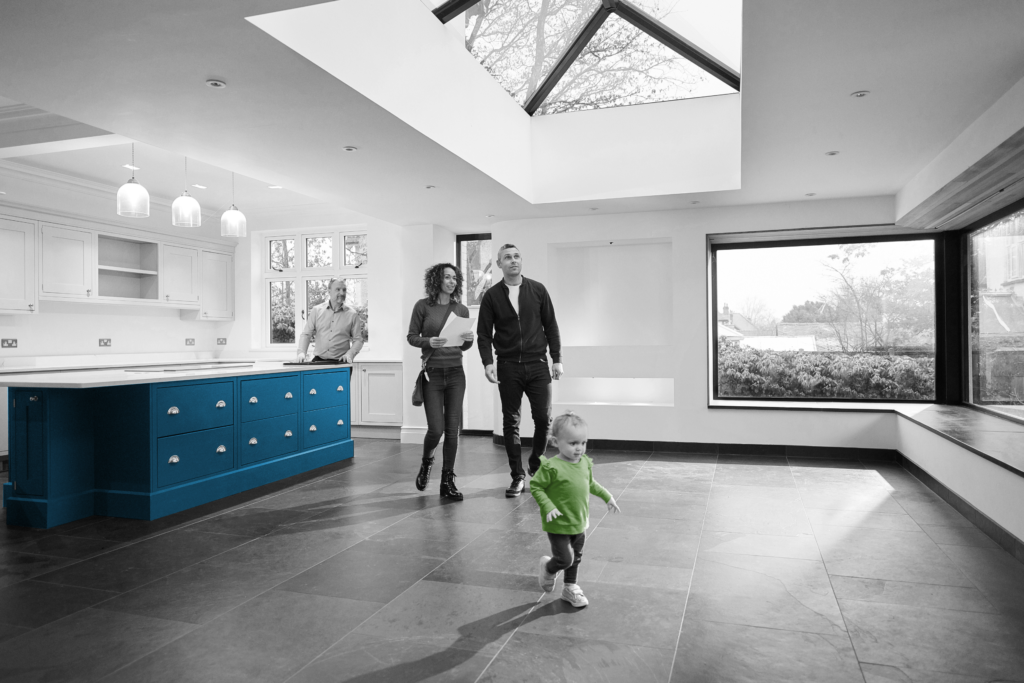
Private home showings are vital to a successful sale. According to our 2024 housing market report, 62% of home shoppers viewed a home 2 to 4 times before making an offer. In addition, many markets across Canada, including Vancouver and Toronto, are considered buyer’s markets in early 2026. Therefore, preparing your home to make a great impression is essential.
Before you put up a lawn sign and set an open house date, use these house showing tips for sellers to ensure your home is ready for potential buyers to fall in love with it.
Key Takeaways
- Private showings are scheduled appointments for buyers to view your home with their real estate agent
- Most open houses are held on the weekend, as many potential buyers are available then
- Sellers, including pets, should leave the home during an open house or showing
Home Showing vs Open Houses
There are different ways for buyers to view your home. The most common are home showings and open houses.
A home showing is when buyers take a private tour of your home, usually with their real estate agent. Typically, the real estate agent accesses your home via a lockbox attached to your doorknob that contains your house key, and showings usually last 30 minutes to one hour. As a dedicated, appointment-based visit, private showings often lead to more serious inquiries and potential offers from buyers who are ready to act, compared to open houses.
In addition to real estate showings, you can also host an open house. A real estate open house occurs when you open your home for a few hours (usually over the weekend), so several potential buyers can tour it at once. Open houses may attract less serious buyers or those who are just curious about the property, and they can be a less intimidating way for buyers to explore a home without the pressure of a scheduled showing.
In both instances, home sellers are usually not present. Therefore, when you schedule showings and open houses, plan to be away from home, including your pets.
Tips for Showing Your House: The Pre-Showing Checklist
When buyers view your home, you’ll want to present it in the best possible light. With some advance preparation, like cleaning, decluttering, and staging, your home will be show-ready.
Minor Repairs
Now is a great time to tackle a short list of minor repairs that your home needs. Be sure to replace any burnt-out light bulbs, fix leaky faucets, patch drywall holes, repaint scuffed baseboards, and tighten loose cabinet hardware. Pay special attention to high-traffic areas like hallways and kitchens, as repairs in these spaces can significantly affect how buyers perceive your home.
If your home needs major renovations, they should be completed before you list your home. Structural issues, plumbing or electrical problems, or roof issues are likely to come up during a home inspection, and may cause offers to fall through, or reduce the sale price of your home.
Deep Cleaning & Decluttering
Cleaning is an essential part of getting your home ready for showings. Dust, vacuum, mop, wipe down the windows, clean the kitchen, and make everything look spotless. Buyers will notice that the home seems well cared for.
Decluttering helps buyers imagine their belongings in your space. Clear off surfaces like kitchen counters, bathroom vanities, and bedroom nightstands; put away any stray papers and personal items from the shower and tub.
Buyers will likely want to see your storage spaces, so be sure to tidy closets, cupboards, the basement, and the garage. If you have a storage unit, consider moving the bulk of your storage items to it.
Depersonalizing
You should try to create a blank canvas for buyers to see themselves in your home. To depersonalize your home, remove personal items such as magnets from the fridge, family photos, and diplomas or awards. In addition, you should lock up or remove jewelry, valuable collections, and expensive personal items to prevent theft.
Staging
The purpose of staging is to highlight your home’s best features, make every room feel spacious, and suggest how buyers can use them after they move in. To stage your home, remove excess furniture to make rooms seem open and inviting. Additionally, rearrange furniture to promote clear walkways and highlight the room’s features, such as fireplaces or windows.
Professional stagers can help you rearrange your existing furniture or add rented decor and furniture. Staging a home with a professional may cost between $2,000 and $7,500, depending on the home’s size and the scope of the staging.
Maximizing Curb Appeal
One of the most common home-selling tips is to improve your home’s curb appeal, and for good reason. Your front yard is one of the best ways to make a good first impression before buyers even walk through the front door.
Mow your lawn, trim hedges, and consider adding some potted plants to your porch. Additionally, be sure to touch up any chipped paint on the front door and consider changing the hardware if it is outdated or broken. In the winter months, ensure the front steps and driveway are clear of snow and ice.
Strategic Open House Tips for Sellers
Follow these tips on showing or open house day to create a welcoming atmosphere and impress prospective buyers:
- Signs – Place visible signs on the street to help direct visitors to your property
- Light and temperature – Keep the home bright by turning on lights. Set your thermostat to a comfortable temperature
- Scents – Avoid cooking odours and strong scents like air fresheners or candles
- Welcoming atmosphere – Consider putting out fresh flowers or simple snacks
- Information packets – Create a property fact sheet that includes recent upgrades and neighbourhood information

Incorporating Feedback
Buyers may provide feedback through their real estate agents about your home. While your home won’t appeal to every buyer, if you get recurring comments, consider addressing them. For instance, if multiple buyers comment that one room feels “cramped,” remove furniture from that room.
Pay attention to tell-tale signs of a successful showing, such as increased interest and follow-up questions from buyers or their agents. Numerous follow-up questions are a strong indicator that buyers are engaged and seriously considering your property.
Bottom Line
Preparing your home for showings and open houses is an essential marketing step in the selling process, as it allows prospective buyers to easily envision living there. Ready to take the next step? Connect with one of Zolo’s local agents.
House Showing Tips for Sellers FAQs
Should I stay in the house during a showing?
It’s best that you and your family, including pets, leave the home during showings. This allows potential buyers to feel comfortable exploring the property with their real estate agent.
How long does a typical house showing last?
Most house showings last between 15 and 45 minutes, seriously interested buyers may take an hour or more.
What is the most important room to stage for a showing?
The living room is the most important room to stage, according to Realtor.com. The primary bedroom and the kitchen are the second- and third-most-important rooms, respectively.
How do I handle showings during a Canadian winter?
If you are showing your home in winter, ensure all walkways are salted and free of ice. In addition, you should provide a heavy-duty mat for boots to prevent slush from tracking through the house.