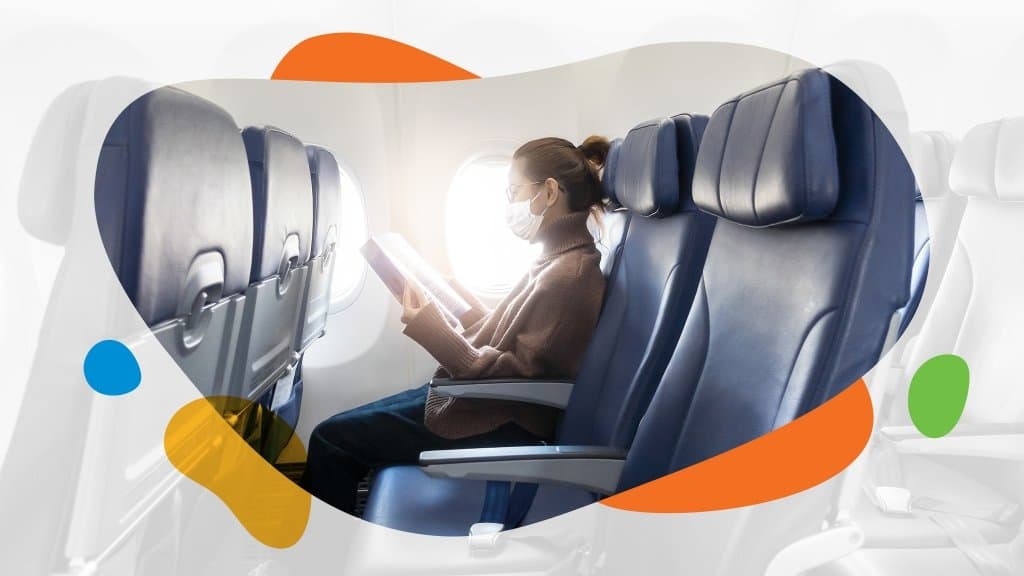
As pandemic infection numbers continue to break records, travelling across an international border to bask on warm sandy beaches — as tempting as it might be — is an impossible decision to take. What you risk you — and not just from a monetary perspective — and whether or not you may put others at risk probably has you wondering whether or not it’s safe to travel at all in 2021.
According to a recent Travel Health Insurance Association of Canada (THIA) survey, 80% of respondents are planning to travel in 2021. Those plans, however, don’t include leaving our country’s borders. Apparently, 53% of potential travellers don’t plan to cross a border before a vaccine becomes available. A minority of individuals don’t plan to travel even after a vaccine is available.
To decide what is best for you and your loved ones you’ll need to consider a few critical factors. Here’s a few considerations to help you decide.
Is It Safe to Travel Within Canada?
Depending on the province you reside in, there are two potential outcomes upon your return to your home province if you decide to travel within Canada.
- Mandatory isolation upon your return;
- or only isolate if you were in contact with a known COVID-19 case.
Still, knowing that there is an option to travel and not, necessarily, have to isolate for two weeks upon your return certainly makes cross-country travel far more attractive than international travel.
Before you finalize any plans, make sure you take a quick look at provincial guidelines. These guidelines are established by local health authorities and are based on the situations faced by each health authority. What that means is that not all provinces or territories are open to the idea of out of province visitors.
Even provinces that have not officially closed their borders may not be too welcoming of tourists. According to the Vancouver Star negative reaction by locals is now being dubbed “pandemic rage.” At one point, the situation was so volatile, that BC Premier John Horgan actually suggested that out-of-province visitors use bikes, buses and public transportation in order to not draw attention to themselves, as out-of-towners.
The bottom line: Although you can continue to travel between provinces, it’s still advisable to avoid doing so unless it is essential.
What Do You Need to Know if You Travel in 2021?

While most people will be familiar with keeping the standard two-metre distance between people, which is a general recommendation, mask-wearing particulars are not standardized. In most cities, wearing a mask on public transit and in public places is mandatory. In other regions, it is left to your discretion.
Regardless of where you go, it’s important to do your research so you can respect each city and their individual restrictions. Although you may be familiar with your own province’s regulations, please don’t assume they are the same as you are thinking of visiting. Like any law, you must follow the land’s direction or face the same consequences any other person would face. As they say, ignorance of the law is no excuse. It’s on you to research what is expected to adhere to the guidelines.
The city of Banff, for example, requires masks everywhere in the downtown core – even outside.
If you want to double-check, you can use the report in Canada Geographic where Canadian industrial engineer Cheryl White created a crowd-sourced Google map to track businesses nation-wide with mandatory mask regulations.
Keep in mind, though, that just because masks aren’t a requirement doesn’t mean you shouldn’t wear one. The benefits of reduced transmission remain.
Ever since lockdowns were introduced in the spring of 2020, urbanites were eager to flee to more rural locales. Respondents to a study conducted by Phocuswire and TripAdvisor stated, “almost two-thirds [are] looking to avoid crowded places and 52% more likely to take an outdoor trip than before the pandemic.”
It isn’t hard to understand why. People who live in cramped quarters or have restricted access to outside space want to be outdoors. It feels like contracting a virus is far more likely in a crowded city than in a small town. That isn’t necessarily so. To go back to Banff’s example with strict mask-wearing policies and a permanent population of just 7,847 has recorded high numbers of COVID-19 – 1,097 cases per 100,000 by the end of November 2020. As attractive as it may feel, a small town may not be the haven it would seem.
A significant consideration when evaluating whether it’s safe to travel, even within Canada, is that they generally have health centres designed to cater to their small population’s needs, not an expanded visiting population. If you need to access medical care, you risk finding an overtaxed urgent care clinic. Even more problematic is the thought that you may be taking the spot of a local person who needs care.
Getting to your holiday spot might be the least complicated part of a vacation. Every airline has instituted enhanced cleaning protocols and COVID standards. Taking a road trip in your vehicle won’t elevate your risk of exposure, but remember you will have to stop for gas along the way, so it isn’t a completely isolated experience. When you are at the location, you will likely need to visit restaurants for food, and many attractions are temporarily closed, so you won’t have a lot of things to do when you are there.
Is Staying Home the Best Bet?
I won’t lie – being a travel writer is pretty great. Just like any job, there are downsides, but the perks are undeniably fantastic. One of the best things (as I look out the window at the setting sun at 3:30 pm) is the opportunity to visit warmer climes during the long, long Edmonton winters. But that doesn’t mean it’s always worth the risk or cost.
Travelling outside your region has more downsides than benefits right now. Carefully weigh your need to get away with the statements of health authorities advising against non-essential travel.
As a person who travels for a living, being home for the last eight months has felt very constraining. I understand fully the desire to get away for a break. But, it’s essential to consider the future needs of the communities I could be visiting over my own. Just like wearing a mask protects others, staying home keeps others safe.