

Your home is likely one of the most expensive purchases you’ll make in your lifetime – and it makes sense that you would want to protect this investment from damage. For that, you’ll need home insurance, which protects you, your home, and your belongings in an emergency. However, did you know home insurance has more benefits than protecting your home against damage?
Personal liability coverage, identity theft coverage, and additional living expenses are just some ways homeowners insurance protects you. Learn how to maximize your insurance policy below.
Why Homeowners Need Home Insurance
Even though home insurance is not mandatory by law in Canada, most mortgage lenders will require you to obtain insurance coverage for the entire replacement value of your home. Whether you own your home outright or not, homeowner’s insurance is vital to a sound financial plan. Without it, you would be on the hook for all expenses related to damage, theft, personal liability, and even the total replacement of your home.
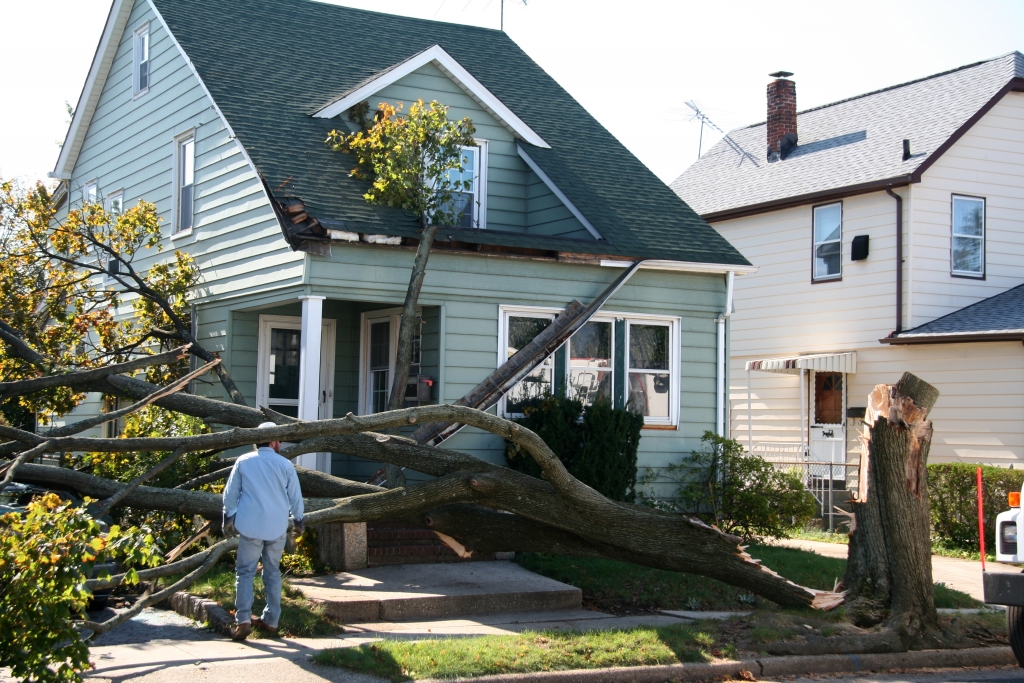
Your insurance policy covers more than just the dwelling. It also covers your contents and any other structures on your property in the event of a fire, theft, vandalism, windstorms, or accidental damage. Also, home insurance covers you if someone is injured on your property or your identity is stolen.
Your insurance policy refers to events that cause damage to your property as “perils.” Your specific policy may exclude certain perils from coverage or impose coverage limits.
Coverage for Your Home
The main benefit of home insurance is financial coverage for your home during unexpected events. Your insurance policy protects you in case of a fire, vandalism, burglary, or water damage.
For example, if you suffer the total loss of your home due to a fire, your homeowners insurance would cover the cost of rebuilding. That would include cleaning the site, designing a new home, and rebuilding.
Your policy also covers other structures on your property, like a detached garage, guest house, or gazebo. However, they must be listed in your policy and are subject to policy limits.
It’s important to note the instances where home insurance may not cover you:
- Overland flooding – Many insurance policies do not cover water damage from a source that is outside of your home, such as flooding or melting snow and ice entering your home. However, you can add flood insurance to your policy at an extra cost.
- Sewer backup – Your sewer can back up into your home due to heavy rain or a blockage in the sewer system. You can add sewer backup to your policy at an extra cost.
- Earthquakes – Most insurance policies don’t cover damage to your home from an earthquake. However, you may be able to add earthquake insurance to your policy, depending on where you live.
- Preventable damage – Any damage that could be avoided with regular maintenance will not be covered by your insurance policy. For example, if your roof was overdue for replacement and leaks, causing damage to your home.
Coverage for Your Belongings

Not only does your home insurance cover the structure of your home, but it also covers your belongings. Personal property coverage, or contents coverage, will reimburse you for the cost to replace your belongings if they are damaged, lost, or stolen in a covered peril.
Your personal property isn’t just covered while it’s at home. While you are away from home, your home insurance policy may cover replacing your personal belongings if they are stolen or damaged.
Your homeowner’s policy typically covers college students living in a dorm room. However, Ratehub notes that if they live in an apartment, tenant insurance is affordable, as low as $12 per month, and covers third-party liability, and additional living expenses in addition to covering contents.
Protected personal belongings are subject to policy limits. If you own valuables such as jewelry, bicycles, musical instruments, or sports equipment that exceed your policy limit, you can increase the coverage for these items through endorsements.
Protection During Natural Disasters
Depending on the type of natural disaster, homeowners insurance may cover damage and loss of your home and personal belongings. Typical unexpected events that are covered include:
- Fire, including wildfires
- Windstorm damage, including storms, hurricanes and tornadoes
- Ice and hail damage
- Lightning strikes
Some natural disasters, like overland flooding, earthquakes, and landslides, are not covered, but you may be able to purchase additional coverage. Working with your insurance provider is essential to determine what additional insurance you require.
Personal Liability Coverage
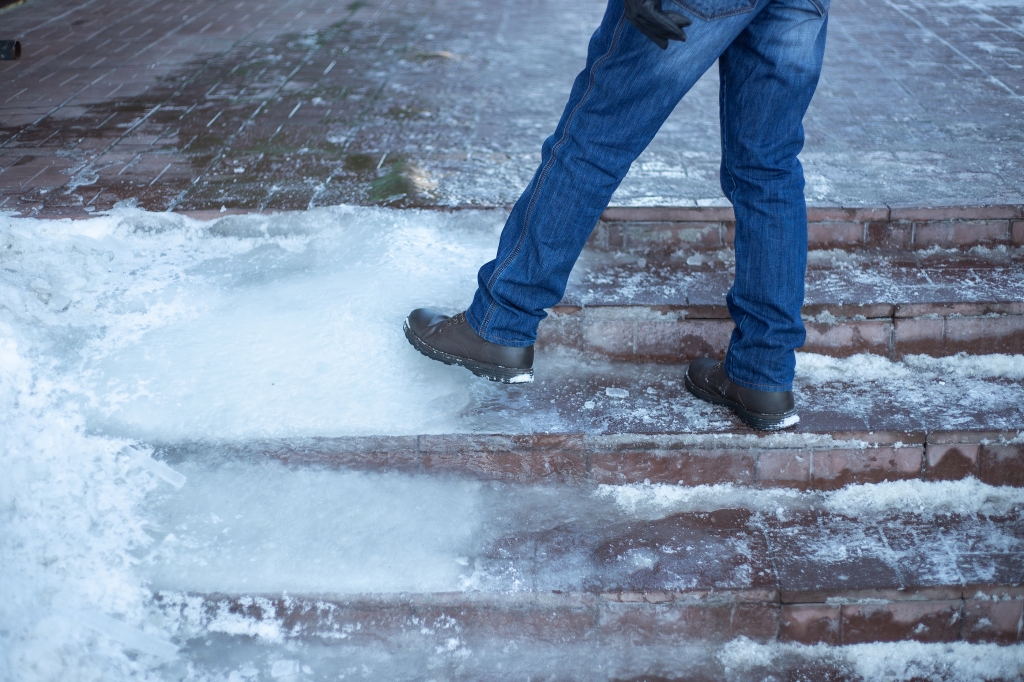
Liability coverage helps protect you if someone files a claim against you after sustaining an injury on your property, or if you cause damage to someone else’s property. Additionally, it covers the cost of hiring an attorney to defend you against unfair claims. This type of insurance also pays for the out-of-pocket medical expenses incurred by the person injured on your property.
Homeowners should have at least $1 million in liability coverage. However, if you have a pool, pets, or playground, iSure.ca recommends a higher limit.
Protection Against Identity Theft
Unfortunately, identity theft is becoming more common. In 2022, the Canadian Anti-Fraud Centre (CAFC) observed $530.4 million in reported victim losses. Your home insurance policy may cover:
- Expenses incurred to recover your identity (the dollar amount will vary by insurance provider)
- Access to a restoration specialist
- Bank or credit card fees associated with fraudulent activity
Identify theft insurance does have its limits. For example, most home insurance policies will not reimburse you for money lost if someone fraudulently accesses your bank account and sends an e-transfer or money wire without your knowledge.
Financial Support
Another benefit of homeowners insurance is financial support during unexpected events. If a covered claim forces you to leave your home, your home policy will cover additional living expenses. Additional living expenses are those above and beyond your everyday living expenses, for example, a hotel room or rental home.
How Can You Make the Most of Your Home Insurance Coverage Benefits?

To make the most out of your home insurance coverage:
- Read your policy to ensure you understand what is covered and what is not.
- Ensure you have enough coverage for your personal property. Walk through your home and make an itemized list of valuable possessions and their replacement value.
- Always save the value of your deductible in an emergency fund. If your deductible is $2,000, having that money on hand ensures you can move forward with additional home repairs and receive full coverage.
- During an incident, keep a detailed, chronological record of everything that happens, and keep all of your receipts to ensure you receive the appropriate reimbursement from your insurance provider after you file a claim.
Homeowner Insurance Offers Peace of Mind
The benefits of home insurance are numerous. Ultimately, it offers peace of mind. If the unexpected happens, you and your family are covered, and your property is protected. On the other hand, without insurance, you must rely on your savings or charitable organizations for help.
