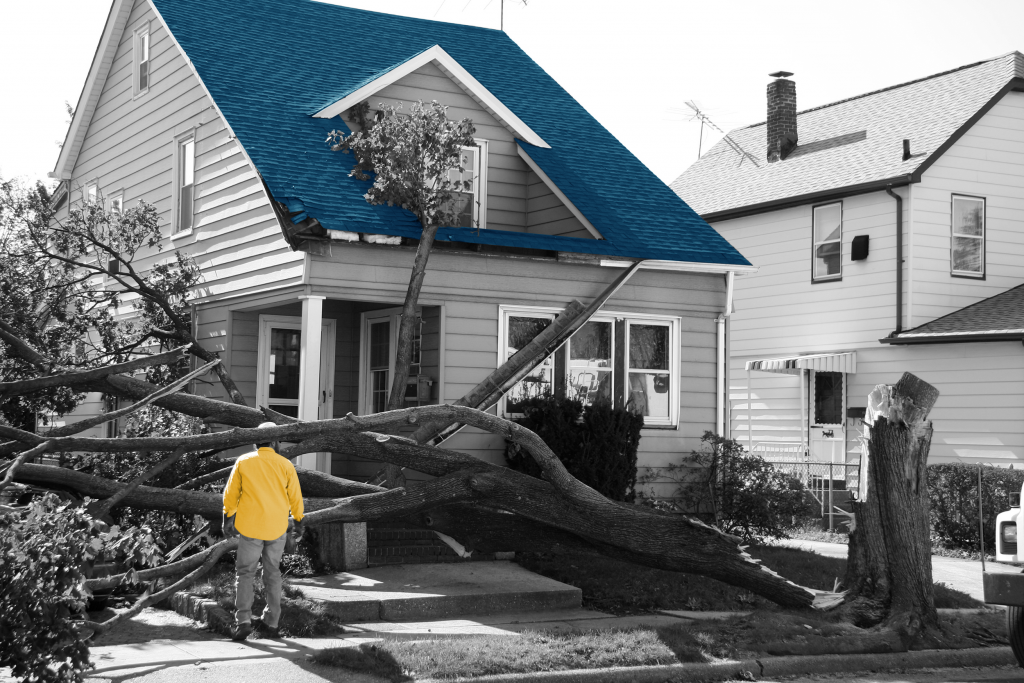
Your home is a place where you gather with family and friends. A place to make lasting memories, a calm space, where you relax at the end of a long day, and a host to all your most valued treasures. That’s why it is essential to protect it with the proper home insurance coverage.
Whether you own a home, rent a home, or are a landlord, the right home and liability coverage will protect you and your personal belongings from perils like theft, fire, smoke damage, wind or hail damage, vandalism, and more.
Depending on how you use your property and its location, you might encounter these different types of home insurance products. It’s important to consider what types of home insurance best suit you and your situation.
Single Family Home Insurance

If you are purchasing or own a single-family home, townhouse, or row home, you will need this type of insurance policy. There are different types of home insurance, including comprehensive, broad, and basic or named peril insurance.
If you have a mortgage, home insurance is not optional. Your lender will require you to maintain adequate home insurance coverage for the length of your mortgage.
A comprehensive home insurance policy protects your dwelling from various perils, such as fire or burglary. However, your coverage may expressly exclude some perils, like floods or sewer backups, unless you purchase additional coverage separately.
The home insurance policy may also cover theft of eligible possessions in or away from home, personal liability if someone injures themselves on your property. Your policy may include reimbursement for some living expenses should you be displaced from your home due to a claim
Tenant Insurance
Many renters don’t carry tenant insurance – but we think this is a mistake. Renter’s insurance is an inexpensive way to protect your personal belongings. While your landlord likely has insurance on the dwelling, their insurance would not cover your personal property or protect you from liability.
Renter’s insurance policies are typically affordable. According to Apollo, tenant insurance can be as low as $15 to $35 monthly. This would be well worth the cost if you ever had to make a claim.
Tenant insurance would cover the loss or damage to your personal possessions during a fire, burglary, or other disaster. It could also cover your personal liability if you are sued for causing damage to other apartments, such as through flooding or a fire. It would also protect you if someone injures themselves while in your unit.
Lastly, tenant insurance could cover additional living expenses like hotel stays, storage and restaurant meals if your rental unit becomes unlivable due to a fire, smoke damage or flood.
Condo Insurance

When you purchase a condo, you become the owner of a unit that is part of a larger building. The building’s insurance covers the main structure and the common areas. While individual condo owners are responsible for obtaining insurance for their units.
Condo insurance will typically cover your personal belongings and any improvements or betterments you have made in your unit, such as upgrading your flooring, countertops, or appliances.
It also includes personal liability coverage if someone injures themselves or damages their property inside your unit and decides to sue you.
Typically, condo insurance does not cover the unit itself. The condo corporation’s policy would cover the walls, windows, and fixtures.
The average cost of insurance on a condo in Ontario ranges from $300 to $600 per year, according to ratehub.ca.
Mobile or Manufactured Home Insurance
You may not realize that home insurance companies have policies specifically for mobile or manufactured homes. Since these homes can be relocated, they require a different type of insurance.
Although the insurance policy will cover you for many of the same things as a single-family home, such as your dwelling, contents, personal liability, and additional living expenses, the rating criteria that determine your policy premium are different.
Your mobile or modular home will likely have to meet a list of criteria, including:
- attaching it to a permanent foundation
- connecting the house to a sewage or septic system
- having a permanent heating system installed
A mobile home that is older than 25 years old may be harder or more expensive to insure.
According to Westland Insurance, the average monthly cost of mobile home insurance in Canada is $76 per month. However, it varies depending on the location and the mobile home.
Old Home Insurance
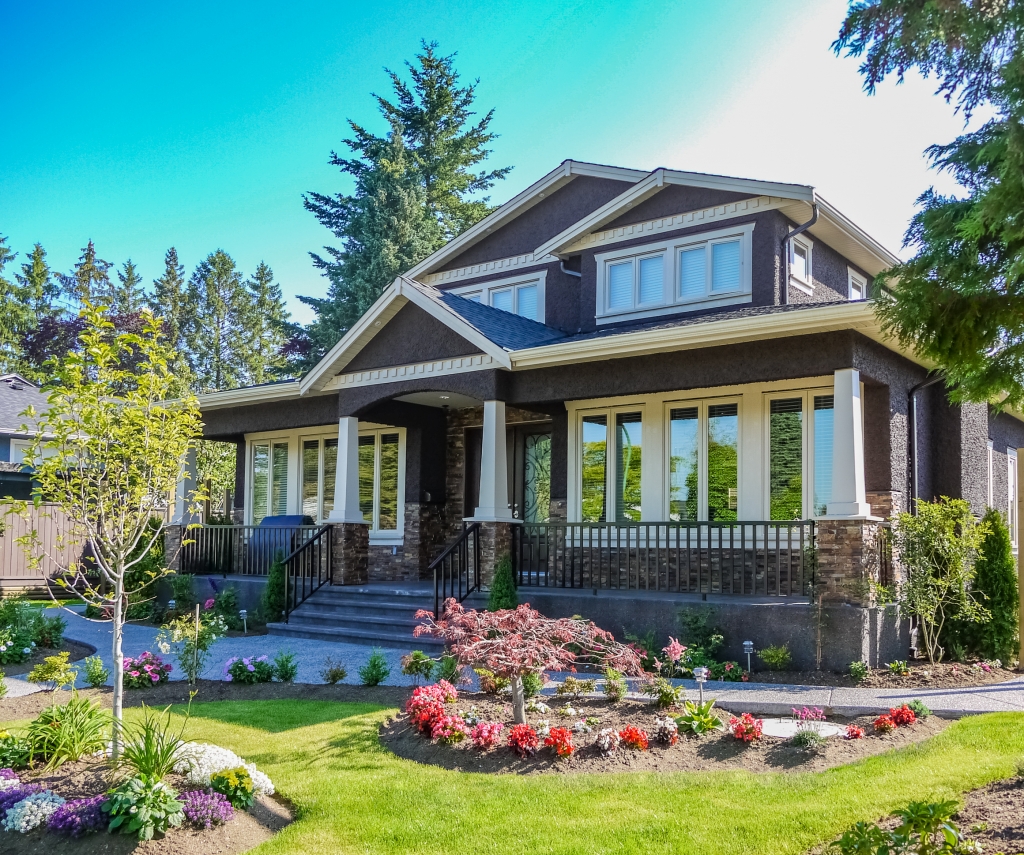
Older homes may have higher insurance premiums due to a lack of safety features and due to the building materials used in the home.
Older building materials and technologies like knob and tube wiring, cast-iron plumbing, wood-burning stoves, wooden siding, and oil tanks can increase the risk of insuring your home and therefore increase the premium.
When applying for home insurance, the insurance company application or questionnaire will ask questions about your home’s condition and systems to determine your premium. Unfortunately, some insurance companies will refuse to insure older homes or require that you make updates before you are covered.
According to Rates.ca, the average home insurance for homes is $1,487 in Ontario and $2,339 in Alberta. However, owners of older homes should expect to pay more for their home insurance policy.
Landlord Insurance
If you own a property that you rent out, you should have landlord insurance. This type of home insurance covers the dwelling, any contents on your property, and liability coverage. It may also cover the loss of rental income.
Another type of coverage specific to landlords is non-payment of rent insurance. If you have this coverage, it can help cover the cost of the missing rent, plus the legal costs of evicting a tenant who hasn’t paid their rent.
The cost of landlord insurance will vary depending on the type of building, its age and location.
If you rent out your property as a short-term rental, for example, on Airbnb, short-term rental insurance can help cover you in case of damage to your property or a guest’s injury. You can add short-term rental insurance can to your existing homeowner insurance for as little as $8 per night.
Bottom Line: Choosing the Right Type of Home Insurance is Essential
Without insurance, the financial repercussions of replacing your home and its contents could be insurmountable.
Whether you’re a renter, first-time buyer, established homeowner, or landlord, it’s in your best interest to shop around and compare home insurance quotes before signing a policy to ensure you’re getting the best rate.
If you have questions about the coverage you need, speak to an insurance agent or broker for help. Understanding your policy today is crucial—before ever needing to file a claim.
FAQs
What are the most common types of homeowner’s insurance?
Most Canadian homeowners opt for comprehensive home insurance. Also called “all risk” insurance, it covers your home and personal belongings from loss or damage, with the exception of the exclusions that are outlined in your policy.
Depending on your policy, comprehensive insurance may cover you from insured perils such as fire, lightning, theft, wind, hail, window breakage, vandalism, electrical current, explosions and more.
Uninsured perils or exclusions may include flood, earthquake or sewer backup, which are optional coverages you can purchase for an extra monthly fee.
Another benefit of home insurance is that your policy also covers you and other members of your household, including children or dependents under the age of 21, with personal liability insurance should anyone injure themselves on your property and you are found negligent.
What Is the cheapest homeowners insurance?
Typically, the cheapest type of home insurance is basic or named peril insurance. Named peril insurance only covers you for the perils specifically listed in your insurance policy.
Although this type of insurance may come with a cheaper monthly payment, it may be more costly in the long run. Any damage or losses that occur and are not named in your policy will not be covered, and you will have to pay out of pocket.
Theft, fire, hail and windstorms are perils that are typically covered. Other types of damage, like, flood damage, is typically not covered in this type of policy.
Because of the limited coverage that a named peril policy supplies, this type of insurance may be best suited for a vacation home or cottage rather than your permanent residence.
If you want to save money on your insurance, paying your premium in a yearly lump sum will typically be cheaper than paying monthly.
Is homeowners insurance required?
Unlike car insurance, Canadian law does not mandate homeowners to have home insurance. However, if you are purchasing a home with a mortgage, you will likely have to provide proof of insurance to your mortgage broker before you take possession of your new home. Your coverage should start the day you take possession, as you don’t want to risk leaving your home uninsured.
Once your home is paid in full, it may be tempting to cancel your insurance to save money. However, that leaves you on the hook for any costs associated with damage or even replacing your home due to a disaster like fire.
If you are purchasing a condo, the condo association may require you to provide proof of home insurance.
There is no legal requirement for renters to have tenant insurance. That said, your landlord may ask for proof of insurance before moving into their building or rental unit.
How much does homeowners insurance cost?
The average price of homeowners insurance varies across the country and depends on many factors. The insurance company will consider the total replacement value of your home, the property’s age, size, and location.
Other factors that affect the cost of your home insurance are:
- the age and type of roofing
- exterior materials
- your heating, plumbing, and electrical systems
In general, the older the materials used, the more your insurance will cost due to the possibility of failure.
Any accessory structures like a shed, garage, or pool will also increase your insurance premium.
Due to the cost of materials, extreme weather and high claims costs, insurance rates are on the rise, so you can expect the cost of home insurance to increase. RateHub.ca reports that the average cost of home insurance in Ontario is $1,408 per year.