
Buying a home is a stressful process; for many, it is one of the most significant financial decisions you will make. If you are a first-time homebuyer, you may wonder what questions to ask when buying a house. By asking the right questions, you’ll ensure you are well-informed about the condition of the home and property.
Your real estate agent is an expert in the home buying process, and taking advantage of their expertise can help you make the best decision when choosing the right home and neighbourhood.
Here are some examples of important questions to ask when viewing and making an offer on a home:
1. Have the Sellers Had Any Other Offers?

When considering making an offer on a home, it can be helpful to know if the sellers have received any other offers. Knowing about multiple offers gives you insight into the competitiveness of the market and interest in the property.
In addition, multiple offers increase the likelihood of a bidding war, especially if the home is under-priced. Your real estate agent can help you determine a strong offer within your budget.
2. Is There a Homeowners Association?
Homeowners associations (HOAs) are typically found in planned communities, townhouse complexes, and condominiums. They establish and enforce community guidelines and may be responsible for tasks like snow removal, pool maintenance, gardening, and shared amenities.
If you purchase a condo, condo fees cover maintenance of shared amenities and common areas. Condo fees also contribute to the building’s reserve fund, which acts as emergency savings for expensive repairs or replacements.
Homeowners association fees and condo fees can add hundreds of dollars per month to your housing costs, so it’s essential to know about these fees before you purchase a home.
3. Why Is the Seller Leaving?
While the reasons a seller is relocating can vary, knowing if they are selling due to the property’s condition or issues with surrounding areas, such as crime and noise, can help you gauge whether you’re willing to invest in potential renovations after the purchase or whether the property is worth buying despite potential issues.
4. What Is Included in the Sale?

Another vital question to ask when buying a house is to clarify what is included in the sale, such as parking spaces, gardens, fixtures, and some appliances. Typically, these are divided into chattels and fixtures.
Chattels are moveable possessions and personal property like furniture, lawnmowers, and appliances. Chattels are normally deemed to be excluded from the purchase price unless they are specifically noted in the agreement of purchase and sale, such as major appliances.
A fixture is anything physically attached to the home and may impact the property value. Examples of fixtures include light fixtures, built-in appliances (like dishwashers), curtain rods, and landscaping.
Knowing what’s included can help you decide what to negotiate as part of your purchase offer. It can also help you budget accurately for any additional purchases you may need to make and prevent surprises on closing day.
5. What Are the Neighbours Like?
Knowing what the neighbours are like can influence your decision to buy a property. If the neighbours are disruptive, noisy, or messy, it may deter you from buying a house. Especially if you prefer a quieter neighbourhood.
If you have children, you may be looking to live close to other young families. On the other hand, if you are retired, you may want to live close to people in your age range.
6. Are There Any Neighbourhood Problems?
Not only are you buying a house, you’re committing to a neighbourhood. Local crime rates and school quality may impact your decision to buy a home in a particular district.
You’ll also want to know about potential new developments, which could lead to increased noise, construction delays, property value changes, and traffic.
You may wish to spend time in potential neighbourhoods to get an idea of what they’re like before making an offer on a home.
7. What Are the Monthly Utility Costs?
Another question to ask when buying a home is about the monthly utility costs. Having the sellers disclose the monthly utility costs can help you accurately budget for utilities like electricity, water, gas, or heating.
Unlike renting, when you purchase a home, a mortgage payment is not the only home expense you incur. Property taxes, home insurance, utility bills, repairs, and maintenance can add hundreds of dollars to your monthly budget.
8. How Much Are Closing Costs?

Closing costs are one-time fees you encounter when closing on a home and can be a significant expense. Budgeting 3% to 5% of the home’s purchase price for closing costs is wise. However, the actual amount depends on your area and the specific property.
Closing costs may include the land transfer tax, title insurance, property valuation, home inspection, and legal fees. By knowing these costs upfront, you plan your finances and avoid surprises at closing.
9. What Are Similar Homes Selling For?
When you are preparing to make an offer on a home, knowing what similar properties have sold for can help you make an informed decision and give you negotiating power. For example, if comparable properties have recently sold for under the asking price, you may be able to negotiate a lower purchase price. However, if multiple comparable homes have sold above the asking price, you may need to make a more competitive offer.
Your real estate agent will be a valuable resource when comparing properties and determining a competitive offer.
10. Are There Health or Safety Hazards?
Inquiring about health or safety hazards is an essential question when buying a house. Dangerous materials like knob and tube wiring are not only unsafe; they can be expensive to remediate.
A home inspection can help uncover potential safety concerns like asbestos, lead paint, mould, or radon, as well as outdated plumbing and electrical systems. If the inspection reveals any issues, you can choose to withdraw from the sale, negotiate a lower price, or ask the sellers to address the problems before closing.
11. How Old Is the Property, the Roof, Appliances, and Major Systems?
Knowing the age and condition of the property and its major systems can help you make an informed decision on how much to offer for the home and what may require repairs after you move in.
For example, if the roof is nearing the end of its lifespan, replacement can cost thousands of dollars. Roofs, windows, heating systems, and foundations are just some of the major expenses you could run into if not thoroughly checked before buying.
A home inspection can help flag potential problems. If the inspector finds any significant concerns, you can use those findings to negotiate with the seller to have the issues fixed or to reduce the purchase price.
12. Has Any Renovation Work Been Completed on the Property, and When Has It Been Done?
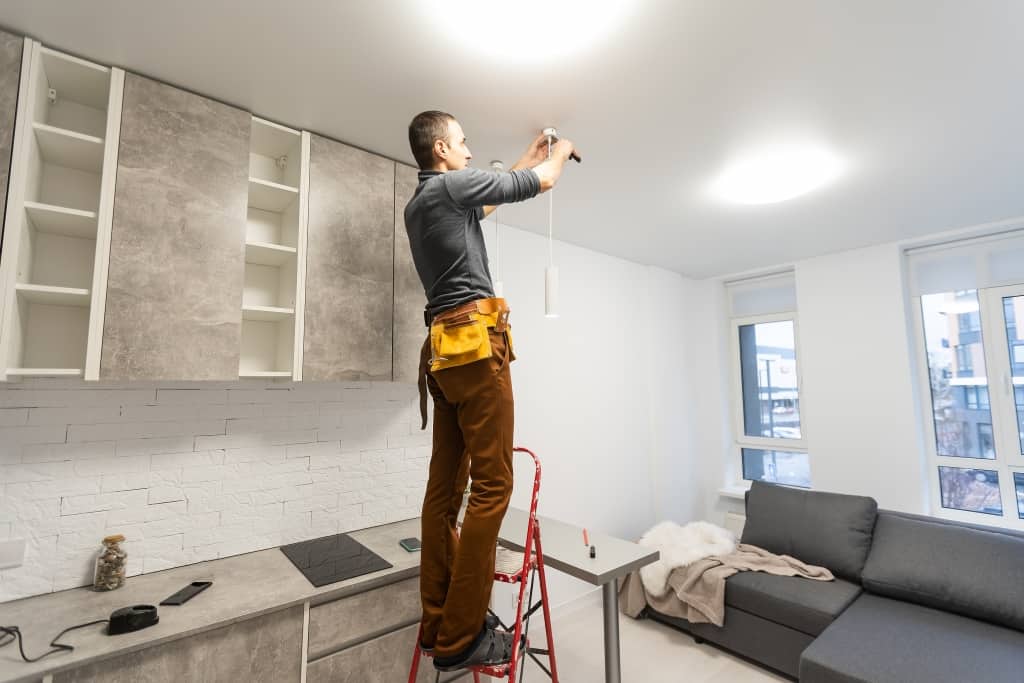
When it comes to renovations, you will want to know what was renovated, by whom, and when. Recent major renovations are often reflected in the asking price, however, it’s essential to know if the work was done by a qualified professional. If the renovations were done incorrectly, they may be expensive to fix.
In addition, you’ll want to ask if there have been any insurance claims on the property.
Bonus Question: What Does the Future Hold?
Real estate is, by nature, long-term, so consider how long you will be living there and whether the home will meet your future needs. For example, will there be room for new family members, or will you need more space?
Having the right information and knowing what questions to ask when buying a house will prepare you to enter the market and make confident decisions.