
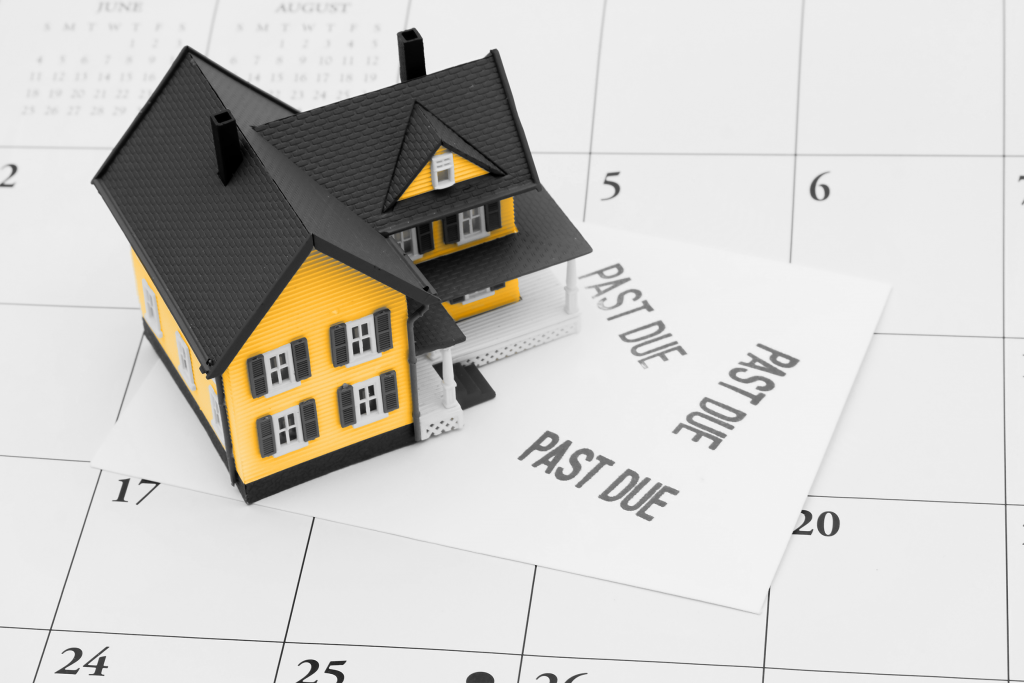
With higher interest rates due to rate hikes by the Bank of Canada to try to cool down the stubborn inflation numbers, it’s no secret that Canadian homeowners have been struggling with mortgage payments. The severity of the situation with Canadian mortgages came to light last May when the International Monetary Fund (IMF) released a report listing Canada as the country most at risk of loan default. Around the same time, the Canada Mortgage and Housing Corporation (CMHC) reported that three-quarters of household debt in Canada came from mortgages.
When you factor in the larger loans and higher mortgage payments due to increased interest rates, it should be no surprise Canadians may be struggling to keep up with their monthly payments. This article will explain what happens if you default on your mortgage.
Key takeaways:
- When you miss a monthly payment or break the terms of your mortgage agreement by not having property insurance, you could default on your mortgage.
- If your down payment is less than 20% of the purchase price, mortgage default insurance is required.
- When you default on your loan, your lender has the legal right to recover what you owe them by eventually forcing the sale of your home.
What is a Mortgage Default?

A mortgage default is when you violate one or more of the terms set out in your loan agreement. This agreement lists the terms and obligations that you must keep up to maintain your mortgage.
What are the different ways that you can default on your mortgage?
- Missing your mortgage payments
- Not obtaining proper homeowners insurance
- Not paying your property taxes
- Placing another mortgage on the property
Your mortgage becomes delinquent when you miss a payment. If you keep on missing payments, then your mortgage will go into default. When this happens, your bank has legal rights that allow them to force the sale of your home.
It’s worth noting that missing a monthly payment is one of the most common causes of a mortgage default. That said, it’s understandable that financial pressures may make it challenging to make your payments. According to the Government of Canada, banks and lenders are expected to monitor for warning signs of a possible mortgage default instead of waiting until it’s too late.
What Happens if You Default on a Home Loan?
Suppose you’re wondering about the consequences of defaulting on your mortgage. In that case, the good news is that The Financial Consumer Agency of Canada (FCAC) has expectations for banks and lenders when it comes to helping out homeowners struggling to make payments due to unique circumstances. Your lender can extend your amortization period, or you can sell your home if your mortgage payments have been unaffordable.
How to Avoid Defaulting on Your Home Loan

No one wants to default on their mortgage. Defaulting can have enormous financial consequences like lowering your credit score, making you an unattractive borrower to other lenders, and forcing you to leave your home. For that reason, you should avoid defaulting and consider it only a last resort. Here are steps you can take to avoid defaulting on your mortgage.
- Assess your finances: As soon as you notice you’re struggling with your bills, you’ll want to look at your finances to see if you can make changes to your budget.
- Don’t purchase a home that stretches you financially: If you’re currently in the market for a home, it’s worth mentioning the importance of limiting how much of a mortgage you apply for. Smaller mortgages mean smaller monthly payments, which will be easier to manage if your financial circumstances change.
- Consider refinancing: If you are struggling to make your monthly payments, you should consider refinancing your loan. When you refinance, you can potentially lower your interest rate or extend your amortization, making your payments more manageable. Refinancing needs to happen before your home loan is officially in default.
- Make a plan with your lender: When you feel like you may be late on a payment or will miss a payment, you should immediately reach out to your lender. They may be able to offer to skip a payment, which will let you miss a payment without starting the default process.
What is Mortgage Default Insurance?

When a home buyer puts down less than a 20% down payment, the Government of Canada requires mortgage default insurance. Most homebuyers will acquire mortgage default insurance from The Canada Mortgage and Housing Corproation, a crown corporation owned by the federal government.
The following conditions must be met for you to qualify for mortgage default insurance:
- The mortgage amortization period must be 25 years or less.
- The purchase price of the home is under a million dollars.
- You plan on living in this property. You can’t get mortgage default insurance for an investment property.
What Does Mortgage Default Insurance Cover?
It’s critical to note that mortgage default insurance doesn’t protect you from defaulting on your mortgage. Despite the name, it’s designed to protect the lender. This incentivizes lenders to offer relatively low-interest rates for mortgages with smaller (less than 20%) down payments.
It’s also important to note that mortgage default insurance differs from property insurance. Mortgage default insurance doesn’t cover your payments if you experience financial difficulty, and it’s only available for residential homes under a million dollars. Your property insurance will protect your home and personal belongings and provide you with liability coverage if something happens to your home or your property.
How Much is Mortgage Default Insurance?
Your premium for mortgage default insurance is calculated as a percentage of the amount borrowed. The percentage is based on the loan-to-value ratio of your mortgage, which means that the principal amount is divided by the purchase price. For simplicity’s sake, various mortgage default insurance calculators are available to help you determine the costs before signing the documents.
Your mortgage default insurance premium can be paid off as a lump sum or, in most cases, will be added to your loan amount.
Do Lenders Require Mortgage Default Insurance?
A lender won’t ask for mortgage default insurance if your down payment is 20% or more. If you don’t meet this requirement, the government requires you to have mortgage default insurance to qualify for the loan.
Mortgage Default FAQs
What happens to a defaulted mortgage in Canada?
Before you default on your loan, you’ll likely miss a few payments or break one of the terms set out by the loan agreement. The lender will initially send you reminder letters or call you to inform you of the late payments. Then, they may send you a warning letter to note the severity of the situation.
If you cannot make your mortgage payments, the bank will have the legal right to recover the amount you owe them. Your lender can take possession of your home and sell it to recover the costs. Any expenses the bank incurs while selling your home will be added to the final tally of what you already owe. Defaulting on your home loan will hurt your credit score and have a long-term impact on your ability to take out a loan.
How do I avoid mortgage default?
Most lenders are willing to work out a plan if you communicate with them, as this is the better option than defaulting on your loan. When you miss a payment on a mortgage in Canada, the lender will initially try to work with you. The best possible way to avoid defaulting on your home loan is to make your payments on time, no matter what. If you’re experiencing financial distress and are worried about meeting your obligations, you must inform the lender of changes.
Communication is also critical when it comes to avoiding a home loan default. Your lender will be open to working out terms with you to help you determine the next steps as you navigate a stressful financial situation.
Do I need mortgage default insurance?
Mortgage default insurance is required for home purchases with down payments less than 20% of the purchase price. Mortgage default insurance compensates the lenders for any losses incurred if you can’t make your loan payments. It does not protect you. The federal government requires mortgage default insurance for all home purchases with down payments smaller than 20% of the purchase price.
