
For many, the kitchen is one of the most essential spaces. We spend a lot of time cooking, entertaining friends and family and preparing meals. So when you buy a home, you may feel finding the right kitchen is necessary. But that doesn’t mean you’ll be able to find a place with a move-in-ready space that falls within your budget — which could mean a do-it-yourself (DIY) kitchen renovation in the future.
You might be looking for a significant change, like a different layout or open concept, or maybe you want to paint the cabinets and update the fixtures. Either way, renovating your kitchen is a big job requiring a solid budget and the know-how to do the proper teardown and installation.
How Do You Know If a DIY Kitchen Renovation is For You?
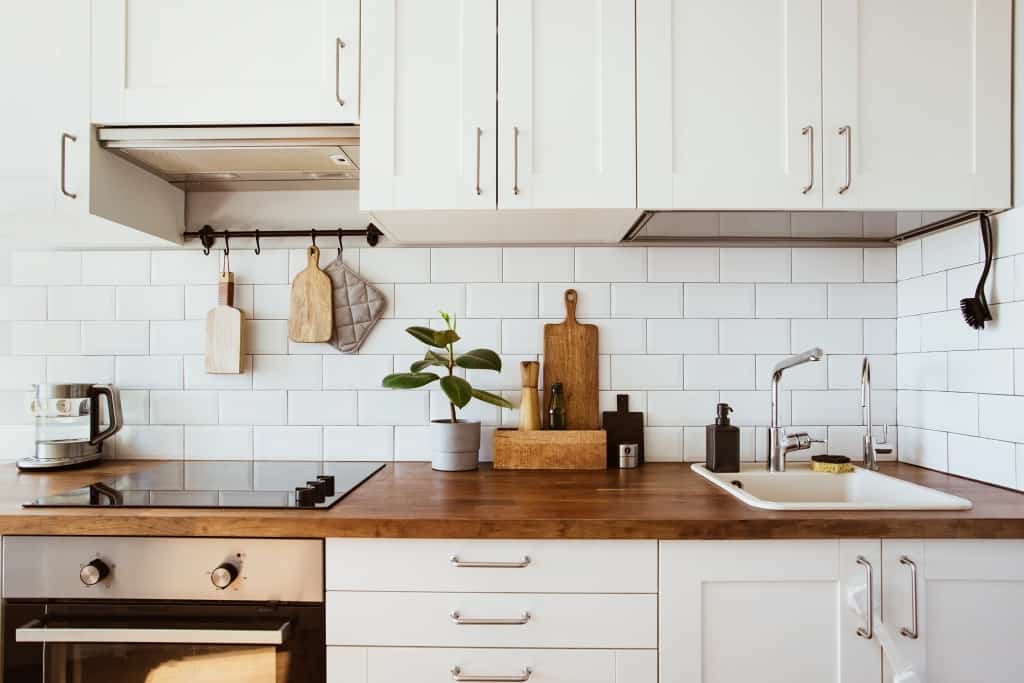
In 2019, Desirae Odjick knew that it was time to remodel their 2005 single-family detached home in Ottawa, Ontario. They loved everything about their place, except the kitchen.
“The cabinets were the basic ones that the builder put into every home at the lowest cost possible, and they had not been well-respected over the years,” says Odjick. “They had tons of wear and tear, and in general, the kitchen’s vibe wasn’t in line with our style, so it was a double win if we could do a renovation.”
For her, the budget was the number one concern. After researching and getting a few quotes from professionals who could do semi-custom cabinets and installation, the cost was $20,000 before labour and appliances. “We wanted a new kitchen, but not that bad,” says Odjick. So, to cut costs, she opted for a DIY IKEA kitchen renovation. “It seemed like a great way to get the look and feel and layout we wanted while keeping to a (much) tighter budget.”
Anytime a DIY renovation is in the cards, you need to ask a few simple questions:
- Do you have the right skills to accomplish this task?
- Do you have a specific timeline required to complete the renovation?
- Is it safe for you to complete this renovation without a professional?
- How much money will you save?
From there, it’s time to get into the financial side of preparing for a kitchen renovation.
5 Items to Save for During a Kitchen Makeover
Before you go tearing down walls and stripping paint, it’s vital to ensure you have enough savings to complete your DIY kitchen renovation without feeling like you’re in the red. Consider the typical costs of a kitchen makeover and what you’ll need to save.
You also want to be sure you’re selecting suitable material and size of items to fit the space and not the other way around. So step one is having a detailed design plan that considers all of your renovation materials.
Depending on how extensive your renovation is, here are some expenses to consider:
#1. Appliances

When choosing appliances, you’ll want to consider their practicality and energy efficiency. On the other hand, you may feel like you should splurge on appliances — or the opposite — avoid spending at all. Either way, to decide, consider the typical lifespan of each appliance to justify your cost breakdown.
For example, if you do a lot of dishes, it might be worthwhile to invest in a more heavy-duty dishwasher. If you plan to move soon or are renovating to sell, consider more popular finishes on your appliances, typically stainless steel.
#2. Countertops
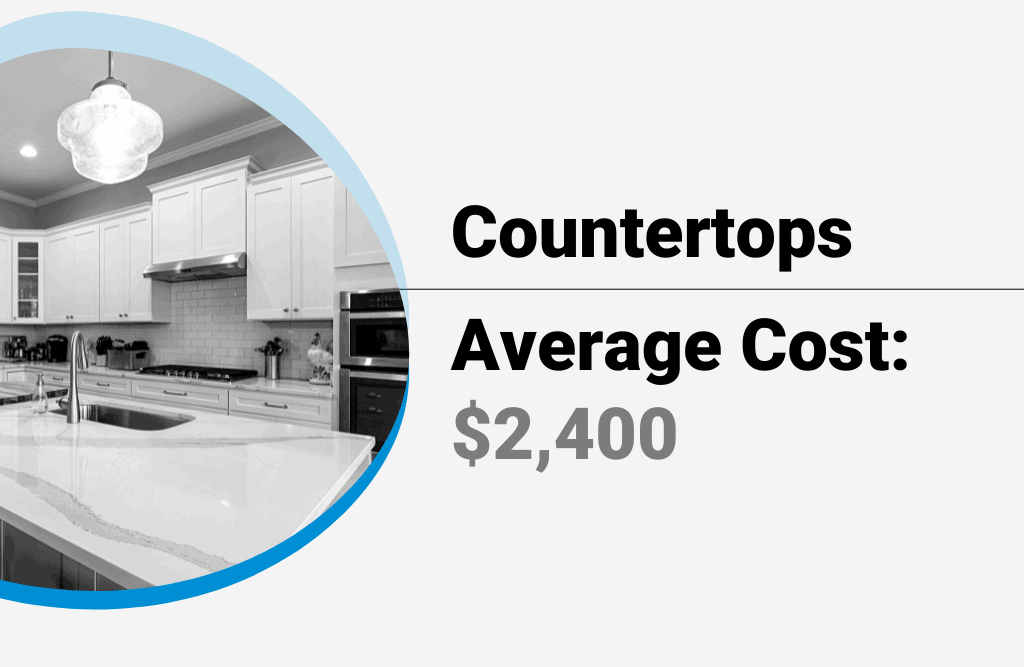
One of the most eye-catching parts of your kitchen tends to be your countertop. However, whether it’s quartz or laminate, you should consider the pros and cons of each price tag. For example, you can be creative with a small budget and view different grades of granite.
Odjick, as another example, opted to do partial quartz and partial butcher block to make her countertop purchase more affordable.
#3. Flooring and Backsplash
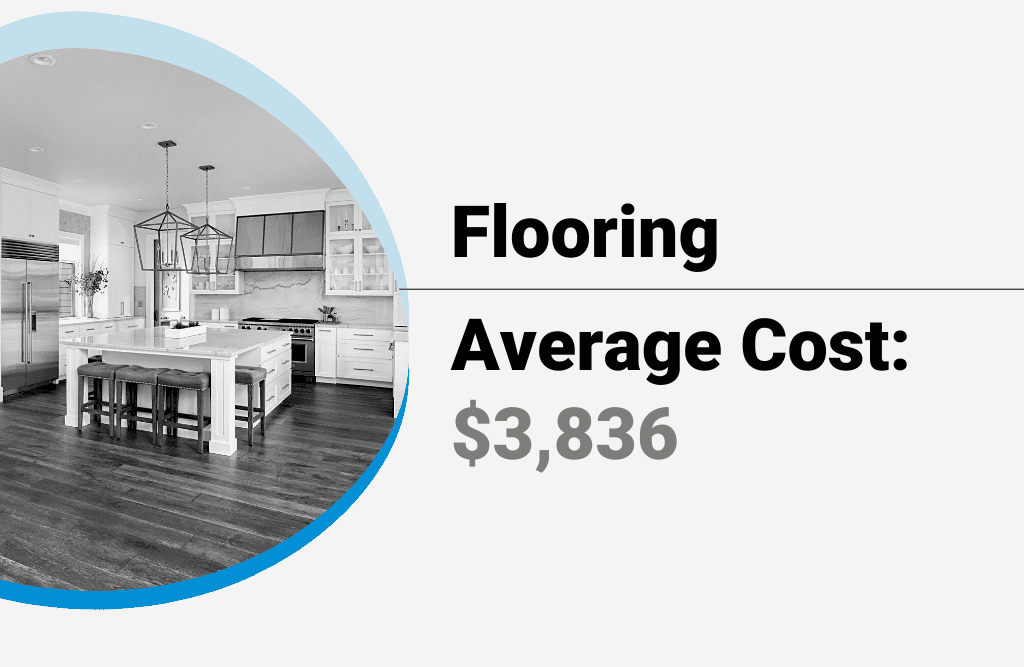
Depending on your plan for flooring or backsplash, you may need to consider multiple types of tile. Many experts recommend porcelain tile for floors because it resists cracks and chips plus works well budget-wise. For the backsplash, ceramic tile is typically the top choice. Remember, the more pieces there are, the more work and the more expensive to install.
#4. Cabinetry
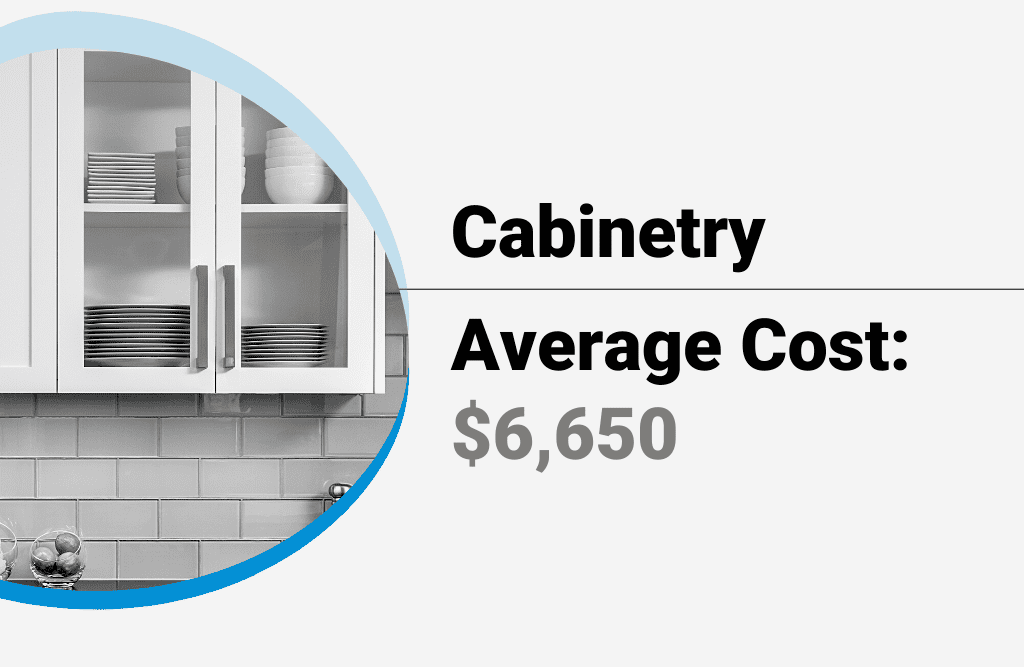
Cabinets might be one of your most expensive costs during your DIY kitchen renovation. Costs that make this item more expensive include delivery, expanding the cabinets to be higher, customization, and hiring a professional for installation. You can add more dollar signs if you add drawers, trays, and additional shelving.
If you plan to sell your home, consider the resale value in functionality and convenience. People like soft-close drawers and build in waste and recycling drawers. They aren’t essential, but you may find them worth the cost.
#5. Hardware
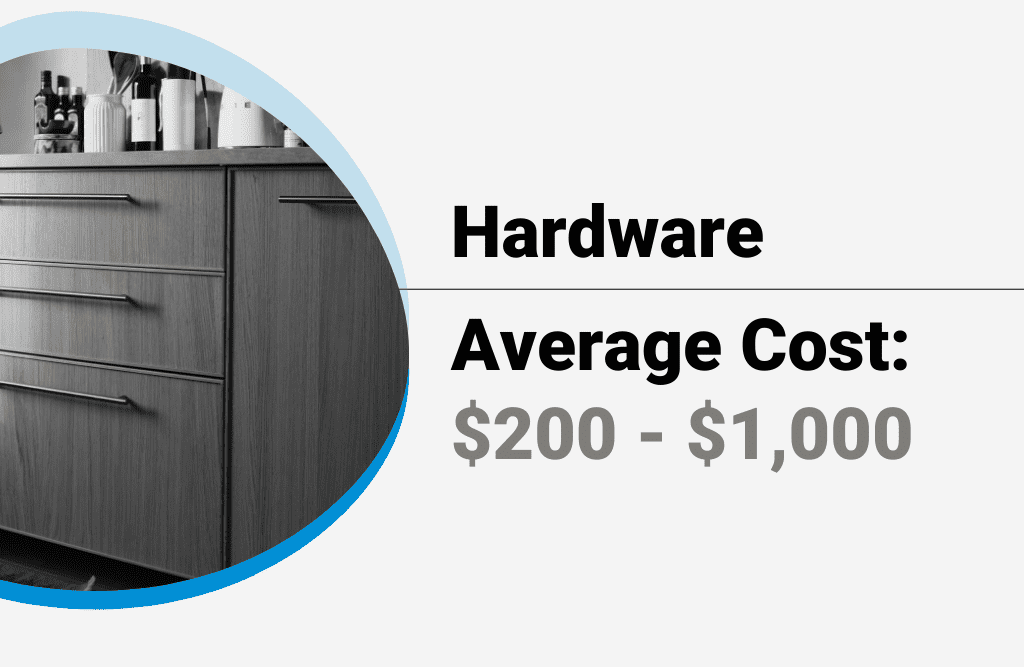
Lastly, you’ll need hardware, like knobs and handles. Good hardware alone can make a space look brand new and, all the while, keep you on budget. It’s one of the most convenient and affordable ways to refresh your home and DIY. Consider which finish is best and whether you want to match all of your hardware or mix it up for a different look.
The Average Cost of a DIY Kitchen Renovation
If you’re thinking about everything you need to start buying and ordering to complete your DIY kitchen renovation, take a pause and begin to put together an estimate.
In Canada, the average cost of a kitchen renovation is $30,944 — or around $195 per square foot. Most homeowners estimate they spend between $16,402 to $45,618. Keep in mind that your renovation will vary when you remove the labour cost from your calculation. If you go for all high-end customizations, you’ll look at a heftier price tag.
Homestars.com also says that experts recommend spending around 5% to 15% of your home value on a kitchen renovation. This is an excellent number to note if you plan to sell your property after your remodel.
Key Considerations When Doing a Kitchen Remodel

With any DIY renovation, you need to be sure of every decision you make throughout the process. To help, consider these three questions before jumping into your kitchen remodel.
#1. Who is it for?
With any renovation, you’ll need to ask yourself what the purpose behind the renovation is. For example, if you’re about to complete a DIY kitchen renovation to prepare your home for sale, it may look a lot different than if you were to renovate for your personal enjoyment and style.
#2. How long have you lived in the space?
Before any renovation, it’s important to be intimately aware of the space you plan to update. Living in a home for multiple years before tackling a DIY kitchen renovation is helpful because it can make decisions much more straightforward.
For example, Odjick says it helped them determine where they should put drawers and cabinets based on the flow of the space. “If we had started the project as soon as we moved in, I think we would not have ended up with a kitchen that fits us as well as this one does.”
#3. How are you going to pay for it?
Although saving upfront for any renovation is an ideal option for any financial decision, it’s not always the easiest to accomplish — and it certainly doesn’t factor in time. Depending on your circumstances, you can look into financing some of your renovations or using your Home Equity Line of Credit (HELOC). However, keep in mind that both of these will require a more thorough plan for how you plan to repay those debts.
Final Thoughts
Renovations can be both fun and overwhelming if you don’t take the time to plan appropriately and prepare your finances as best as possible. When you DIY a kitchen renovation, consider having a backup plan or contingency fund to cover any unexpected costs.
It’s also important to note that just because you decide to go DIY at the start of your renovation doesn’t mean you can’t ask for professional help on small parts of the project or scrap the idea altogether at the halfway mark. Just remember that changing your mind and switching course at that point may cost more than just hiring a professional from the get-go. So, do your best to make sure the DIY route is the best option on all fronts.