
Most home services and home renovation contractors can be a costly expense. So, when you finally decide to hire a professional to complete the job, it’s essential you choose the right home renovation contractor. To do this you need to know what questions to ask and how to assess each potential candidates qualifications.
To help you prepare, we asked the experts what questions they ask renovation contractors and how best to choose the right renovation contractor for your job. These tips should help guide you from start to the final hire of the right candidate for the job.
What Questions to Ask a Home Renovation Contractor?
Before you jump into a home improvement project with a new home renovation contractor or company, there are some critical questions to ask and conversations to have. Interviewing a contractor is a significant part of the process, particularly if you’re on a budget. Andy Kolodgie, Co-Owner of The House Guys, has been flipping houses for nearly three years and has completed over 35 projects. If there’s one thing he’s learned from these experiences, it’s that the contractor you hire can make or break your renovation.
1. Request More Than One Quote
We need quotes as homeowners to determine whether our dream renovation project is even realistic. So, contractors provide you with those numbers, gather information from you and review the area they’ll be working with. Typically, quotes include all materials as well as labour done by the contractor and their team. One thing that can prevent you from overspending is to ask for an additional quote that only includes labour. Kolodgie says you can save a lot of money purchasing your own materials.
2. What’s Your Timeline for Completing This Project (With Potential Delays)
If we know anything from watching HGTV renovation shows, it’s that not everything goes to plan. There are always delays to anticipate, such as weather or a home inspection that found something else needing a quick (or lengthy) fix. Depending on your renovation timeline, Kolodgie says it’s important to ask whether the contractor you plan to hire works on the weekends. If they do, they’re more likely to finish the project in a shorter period. If all else fails, “having a timeline in mind from the beginning that you can get in writing will give you leverage if the contractor slips on schedule,” says Kolodgie.
3. Get Specific With the Quote

Receiving multiple quotes from different contractors can provide you with options and a good idea of what you can expect. You may find that each contractor has a unique way of breaking down the numbers on a project. Kolodgie says it’s always a good idea to ask the contractor to break out the price by each item and step in the project if not already done.
For example, if you have a new bathroom installed, you need to know how much it costs to run a pipe to the toilet, what you can expect to pay for shower tiles, and how much time it will take to complete each step. “Breaking up the prices will give you a clear indication of what is driving cost,” says Kolodgie. “With that information, you can make an informed decision about what you really want.”
Of course, these are only a few of the questions you may want to consider when hiring a new contractor to help you with a home improvement project or renovation. Andy Lindus, COO of Lindus Construction, shared a thorough list of less apparent asks to walkthrough:
- What is your license number?
- Have you ever done business under a different name?
- Do you have the appropriate insurance, and can you share a copy with me?
- What professional associations do you belong to?
- Are you accredited by the Better Business Bureau (BBB)?
- How much of a down payment do you require?
- Do you have any references I can contact?
- How many similar projects have you done in the past year?
- What type of warranties do you provide, if any?
What Is the Biggest Mistake Most People Make When Hiring a New Contractor?
Often, people aren’t aware of the typical process for home renovations. The first step is to receive a permit from your local city council to begin any home improvement for starters. It doesn’t have to be a significant renovation because most projects, like any changes to electrical or finishing a basement, also need a permit.
Without proper approval from your local government, you could end up causing more damage than you realize and spending a lot more money to reverse a dream project. Permits protect homeowners as far as meeting minimum requirements for health and safety. It’s vital to consider zoning, fire protection and other factors when you partake in a renovation project that could alter your home’s structure. If the renovation does not alter the structure, such as a paint job, you likely do not need a permit.
To confirm what type of renovations and improvements require a permit in your city, you can connect with a local home builder’s association. It’s always a good idea to ask first.
Greg Bond has done over 200 renovations in the past ten years – and in his experience, there are more obvious mistakes that homeowners tend to make. “The biggest mistake I see is individuals paying contractors up front for the work,” says Bond. In reality, Bond says, you should only pay them for the materials up front (if they are not providing them), and then pay them on a schedule of job completion.
How to know if the quote is appropriate
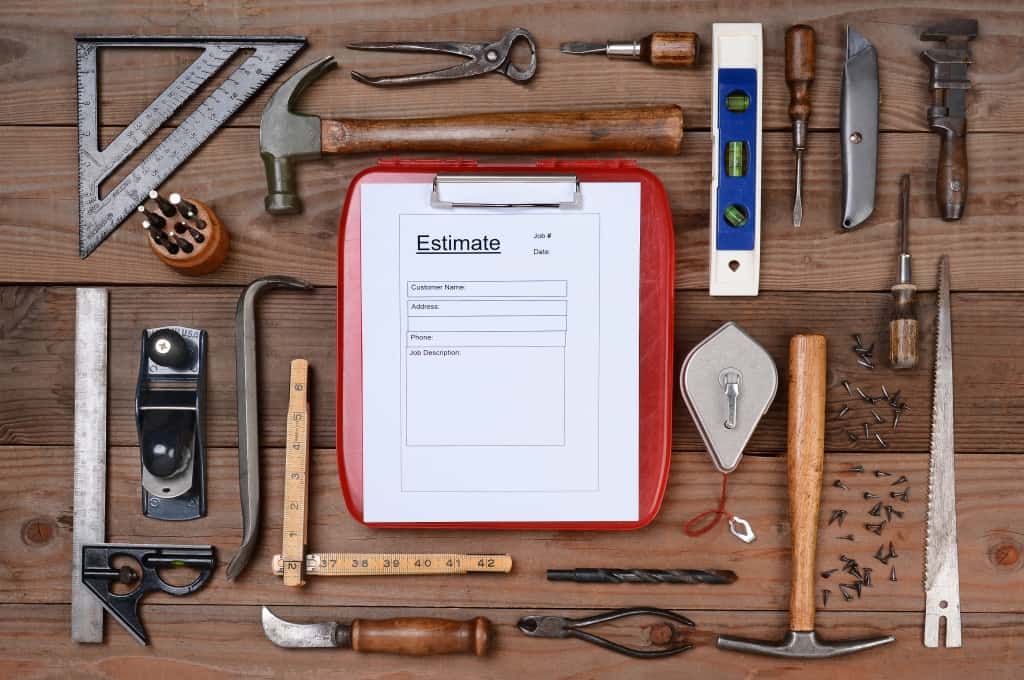
Once you’ve found the perfect contractor, it’s always a good idea to review the quote one more time, confirm all the details, and ensure the price point works with your budget. Don’t forget to consider some buffer room for any unexpected expenses that may appear while working through the project.
Kolodgie says that contractors who are genuinely interested in a project will typically want to come by and view the property first-hand. If they’re giving you a quote over the phone or internet, it likely isn’t as accurate. “Good contractors will not charge for estimates,” says Kolodgie.
If you aren’t sure whether a price point makes sense, it’s not a bad idea to take some time and do your research before hiring a contractor. Perhaps you can save money by doing easy labour by yourself, such as tearing out carpets, removing baseboards or painting. Otherwise, it’s perfectly fine to ask the contractor to explain the pricing to you and ask if they can do any better.
A home improvement project or renovation is not typically something we want to do on a whim, hoping for the best. It’s important to give yourself time to do appropriate research, interview the professionals, and get to know the ins and outs of what this project looks like financially and your timeline.