

When considering the costs of owning a home, the monthly mortgage payment isn’t the only factor you should consider. The upfront costs when buying a home can add up quickly, and once you move in, ongoing maintenance and other fixed or variable costs can make creating a household budget complex.
This blog post uses the average home price in Canada of $698,530 (as of March 2024) to calculate the average cost of owning a home. However, to get an accurate cost for your unique situation, you should plug your purchase price into the calculations below to get your cost.
Using the average prices in Canada, you can expect to pay $58,824 to $73,276 in upfront costs, including your downpayment and closing costs. Monthly expenses, including your mortgage payment, utilities, home insurance, property tax, and ongoing maintenance, could range from $6,105 to $7,851 per month, excluding any condo or homeowner’s association fees. We’ve broken down how much you can expect to spend in each category below.
Key Takeaways
- The monthly cost of owning a home is more than the mortgage payment. Utilities, property taxes, home insurance, and homeowner’s association or condo fees can add up to thousands of dollars monthly.
- The upfront cost of a home includes the down payment and closing costs. You should budget 2% to 4% of the home’s purchase price for upfront expenses.
- Long-term maintenance costs can be challenging to budget for because they occur inconsistently. Consider creating a sinking fund for home renovations and long-term maintenance and saving monthly for these costs.
The Upfront Costs to Own a Home

Upfront costs are expenses you pay before you take possession of your new home. These costs are due before closing and can include the down payment, closing costs, appraisals, and home inspection.
Down Payment
A down payment is the upfront money you pay toward the purchase of a home. It is typically a percentage of the purchase price, and your mortgage lender finances the remaining balance. The larger the down payment, the less you have to finance and the less interest you will pay over the life of your mortgage.
In Canada, the minimum down payment on a home that costs $500,000 or less is 5%. If you buy a $500,000 home, you would pay a minimum of $25,000 down and finance the remaining $475,000 with your mortgage lender.
Using the average home price of $698,530, you would be required to put 5% down on the first $500,000 of the purchase price and 10% down on the remaining $198,530, which would be $44,853.
$500,000 x 5% = $25,000
$198,530 x 10% = $19,853
$25,000 + $19,853 = $44,853
Mortgage Default Insurance
For all down payments less than 20%, you will need to add on mortgage default insurance, also known as mortgage loan insurance or private mortgage insurance. The amount you need to pay is calculated by dividing the mortgage loan amount by the purchase price, which in this case would be $653,677 ÷ $698,530 = 0.94 or 94%
According to the Canadian Mortgage and Housing Corporation, also known as the CMHC, your mortgage default insurance premium would equal 4% of the mortgage loan amount, which is $26,147. You don’t have to pay this amount up front, however. Instead, you can add it to your mortgage amount and pay it off over time.
Closing Costs
The down payment is not the only money you’ll need to pay when closing on your home. Additional closing costs include:
- Lawyer fees
- Land transfer tax
- Prepaid property tax
- Real estate agent commission fees
- Administrative fees
- Utility or furnace oil costs
- Home inspection
The total closing costs will vary depending on where you live and the home you are buying. Generally, you can expect to pay 2% to 4% of the home’s purchase price in closing costs.
With a purchase price of $698,530, you should budget $13,971 to $27,941 for closing costs.
Other Costs When Purchasing a Home
Besides the down payment and closing costs, several fees can add up before your home purchase closes. For example:
- Appraisal fee – Typically $150 to $500, an appraisal is not always needed when purchasing a home, but your mortgage lender may require it
- Sales tax – Sales tax is typically only applied to new builds in Canada, but it could be 5% and 15% of the purchase price
Excluding sales tax, you can expect to spend another $150 to $500 on these smaller fees.
Altogether, with a home purchase price of $698,530, you could spend $58,824 to $73,276 upfront including your down payment and closing costs. You will also add $26,147 to your mortgage total to cover the mortgage default insurance.
The Ongoing Costs of Owning a Home
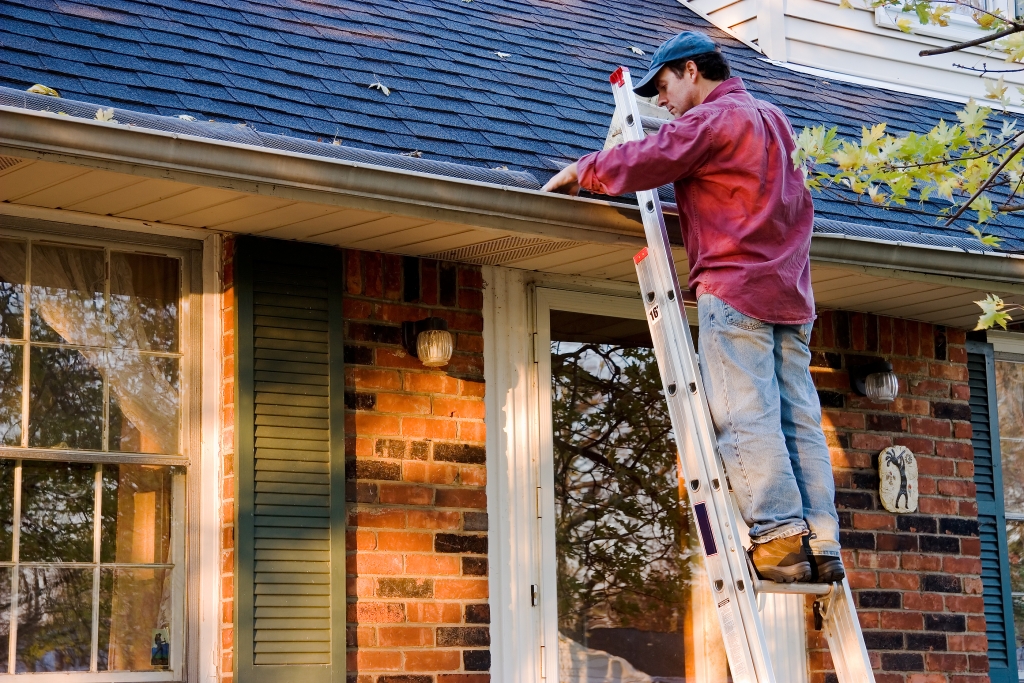
Ongoing expenses are monthly, yearly, or infrequent costs associated with owning a home. Home insurance, property tax, utilities, homeowner’s association or condo fees, and ongoing maintenance are generally considered ongoing costs of owning a home.
While these costs will vary depending on where you live and the house you buy, the average Canadian home price of $698,530 is used in the calculations.
Home Insurance
Home insurance helps protect your property and belongings from damage, theft, or loss. It can also work as liability coverage and covers accidents in the home or on the property. While home insurance is not mandatory in Canada, your mortgage lender will likely require proof of home insurance before advancing your mortgage funds.
The cost of homeowner’s insurance depends on several factors, including the location and type of home, the age of the house, the heating source, and more. Canada’s average home insurance cost is $960 per year or about $80 per month. However, if your home is older or more expensive to replace, your homeowner’s insurance premium could be much higher.
Property Tax
Local governments in Canada charge property taxes, which are typically a percentage of your home’s assessed value. Property taxes generate revenue that funds public services such as garbage collection, schools, road maintenance, police and fire services, and more.
According to Forbes Advisor Canada, the average property tax rate across major cities in Canada is 1.12%. Assuming the home you purchased for $698,530 is valued at that amount, you could expect to pay $7,824 per year for property taxes.
$698,530 x 1.12% = $7,823.54
It’s important to note that property taxes can vary from city to city, and what you paid for your home may not necessarily match the assessed value. You should receive a tax bill that includes your assessed valuation and tax rate.
Utilities
Utilities are expenses that are essential to living in your home, like electricity and water. Depending on where you live, you may also use natural gas for heating or cooking.
Moving Waldo estimates the national average cost for utilities is $389 per month, including electricity, water, internet, cable, and home phone. Over a year, that could add up to $4,668.
Homeowner’s Association Fees or Condo Fees
Homeowners association fees (HOA fees) typically apply if you live in a condo building or townhouse. However, some residential or gated communities also charge HOA fees.
HOA fees typically cover the maintenance and improvements of common areas like the lobby, elevators, and landscaping. It can also cover amenities like pools, tennis courts, a clubhouse, or a gym. The monthly cost for HOA fees varies widely. It could be as little as $40 or over $1,000 monthly.
Similar to HOA fees, condo fees cover the upkeep of common areas and the use of amenities. However, they also cover a master insurance policy for the building, security, and trash removal. Depending on your building agreement, your utilities may or may not be covered by your condo fees. A portion of your condo fees are also set aside in a reserve fund for costly repairs like a roof replacement. Condo fees vary widely, from $50 to over $1,000 monthly.
Ongoing Maintenance
Ongoing maintenance is essential to keeping your home in good working condition. It allows you to spot potential issues and avoid costly repairs down the road. It also improves the overall value of your home.
According to Investopedia, the most common rule of thumb is to budget 1% to 4% of your home value for repairs. However, your home’s age, size, and general condition will ultimately determine how much you need to spend on yearly maintenance. For instance, if you purchase a new build, you may be comfortable budgeting less compared to a homeowner with an older home.
Assuming the example home is $698,520, you should expect to pay between $6,985 and $27,941 per year for maintenance. Here are some typical home maintenance costs:
- HVAC or heating system maintenance – Filters should be replaced every three months, and a professional should inspect the system once a year. According to Ariana Heating, the average cost per year to maintain your HVAC system is between $150 and $500 per year.
- Cleaning – According to Statistics Canada, the average Canadian spends $269 per year on cleaning supplies, or about $23 per month. If you choose to hire a professional, you can expect to pay an average of $216 per visit or $5,184 per year for twice-monthly cleaning.
- Home security – Home security systems can help protect your property and lower your home insurance rates. The average price for an alarm system is $15 to $25 per month, plus an upfront cost of $250 to $1,200 for the equipment and installation.
- Landscaping – According to Statistics Canada, the average Canadian spends $524 annually on garden supplies and services. However, to hire a landscaping company, you can expect to pay between $1,809 and $6,901 for individual projects.
- Snow removal – If you choose to hire a company for snow removal, you can expect to pay $30 to $50 per visit.
Overall, your monthly carrying costs as a homeowner vary depending on several factors, including the age and condition of your home, where you live, and whether you decide to do it yourself or hire a professional.
Long-Term Maintenance Costs
Home maintenance costs can be challenging to plan and budget for, especially when they occur inconsistently. To tackle this, consider creating a sinking fund for home renovations and long-term maintenance and save monthly. Here are some common long-term home expenses and their average costs:
Fixed vs Variable Housing Costs
Some costs associated with homeownership are fixed and stay the same month to month. For example, your mortgage payment (if you choose a fixed-rate mortgage), property taxes, and homeowner’s insurance. Fixed costs are easy to account for in your budget, as you typically know the exact amount you will pay each month.
Variable housing costs are trickier to budget. Some variable expenses are small. For example, utilities vary depending on the time of year, as heating a home typically raises your bill. Other variable housing costs are much larger, and budgeting for these unexpected or infrequent expenses, like repairs or replacements of your heating and cooling system, deck, or roof, can be challenging. You can prepare for these big-ticket home expenses by contributing regularly to a home renovation fund and an emergency fund.
Final Thoughts
Overall, the monthly costs of owning a home will vary depending on several factors. For example, where you live, the age and condition of your home, your mortgage interest rate, and the purchase price.
Fixed expenses are easy to budget, while long-term maintenance costs can be unpredictable. Determining how much you can afford to spend on housing before you purchase a home is critical.
