

Home insurance is an essential tool to financially protect yourself and your home from unexpected events like a house fire, burglary or water damage. However, the process of getting home insurance may seem daunting. You have a variety of insurance companies to choose from, each with its own set of standards. Therefore, you must compare quotes accurately when searching for the right home insurance coverage.
While every insurance company will package their insurance products differently, it’s essential to determine how much home insurance you need and what, if any, additional coverage you require. Read our guide on comparing home insurance quotes, including ways to save on your home insurance premiums.
Key Takeaways
- Conducting a thorough home insurance comparison ensures you will find a policy that meets your needs and your budget
- Determining how much home insurance coverage you require ensures you only pay for what you need
- Your home’s replacement value, location, heating, plumbing and electrical systems help to determine how much your home insurance costs
Why You Need Homeowner Insurance
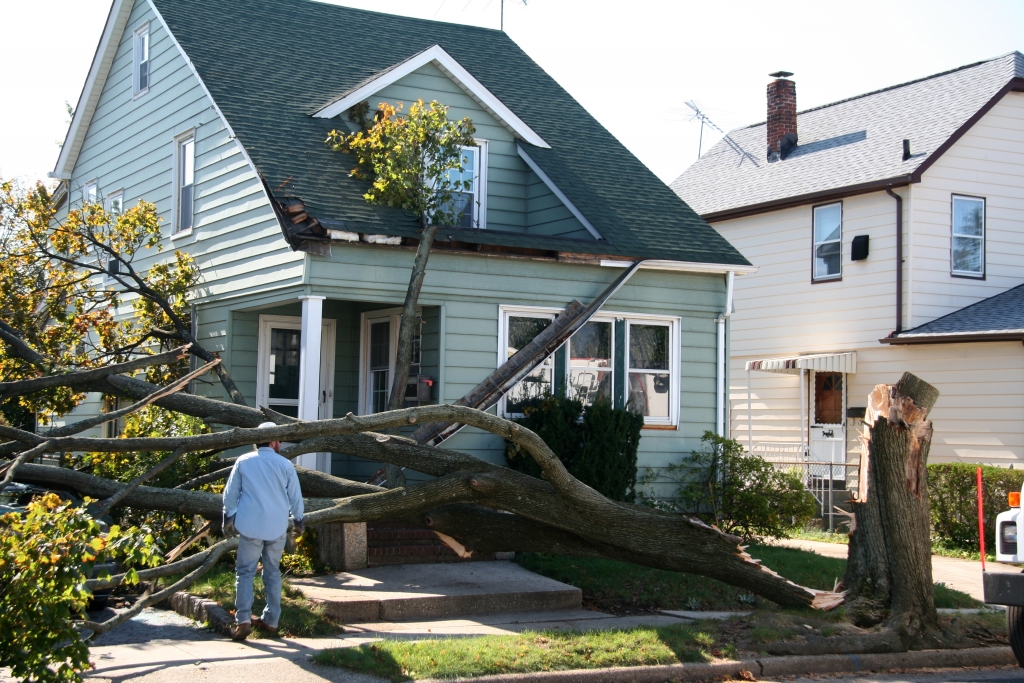
Home insurance protects you, your belongings, and your home from disasters like fire, windstorms, water damage, and theft. Without home insurance coverage, you would be financially responsible for damage to your home or for a complete rebuild.
In insurance policies, perils are events that cause damage to your home or belongings. Covered perils are events that are included in your home insurance policy. Excluded perils are events that your insurance company will not reimburse you for.
Home insurance is customizable. However, the primary coverage offered by a typical home insurance policy covers the following:
- Dwelling – Your home is protected from perils such as fire, smoke, and water damage.
- Personal belongings – Your personal property, such as furnishings, recreational equipment, clothing, and appliances, are protected from loss, damage and theft.
- Additional living expenses – This policy pays the additional costs of living elsewhere if your home becomes uninhabitable due to a fire, storm, or other insured event.
- Personal liability – Your insurance provider will pay your legal costs if someone is injured on your property.
- Voluntary medical payments – This no-fault medical coverage can cover someone injured on your property who requires one-time or ongoing medical care.
How to Compare Home Insurance Policies

Remember that each insurance provider structures its policies differently, making apples-to-apples comparisons difficult. When requesting quotes, ensure you give each insurance provider the same information, that the quotes you receive are for the same coverage quantity and type.
Before you get quotes, learning about home insurance and gathering some information is worthwhile.
Different Types of Home Insurance Coverage
Depending on your needs, there are different types of home insurance for you to consider, including:
- Comprehensive – Also called “all-risk” insurance, comprehensive insurance covers your property’s dwellings (home, garage, sheds, etc.) and their contents from all risks except those expressly excluded in the policy.
- Broad – This type of insurance covers your dwelling if your home is damaged or destroyed. However, your contents are only covered from perils specifically listed in the policy.
- Basic or named peril – Covers you for specific perils outlined in your policy. This type of insurance is typically best for a cottage rather than your primary residence.
- No-frills – Only offered by some insurers; this type of insurance can cover a property that doesn’t meet typical insurance standards. Contents are often excluded from no-frills coverage.
Difference Between Actual Cash Value and Replacement Cost
Canada has two different types of home insurance policies: actual cash value and replacement cost. While both help you replace your damaged property and belongings, there are key differences you should be aware of.
Actual cash value home insurance policies calculate the replacement cost of your belongings by taking the amount you initially paid for an item and subtracting depreciation. For example, if your laptop is stolen, your insurance provider would only cover the cost of its current value, which may be much less than the cost of a new one.
If you choose a replacement cost home insurance policy, your home insurance provider covers the entire cost of replacing your belongings with new ones similar to those you lost.
Although an actual cash value policy may save you money, a replacement cost policy is typically a better choice, especially if you need to replace most of your belongings.
Take an Inventory
It’s a good idea to inventory your belongings to decide what level of coverage you need. Taking an inventory can be as simple as taking photos of each room or writing a list. The Canadian Red Cross offers a digital and printable home inventory checklist that includes the year of purchase and value.
Having a detailed inventory can help you determine how much insurance coverage you need and help you in the event of a claim. Take particular note of:
- Jewelry
- Sports equipment
- Electronics
- Musical instruments
- Appliances
- Tools
- Collectibles
- Valuables
Choosing Deductibles and Limits
A home insurance deductible is the amount you pay before your home insurer pays the rest. For example, if your policy has a $2,000 deductible, and you suffer $10,000 in damage from a broken water pipe, you would be responsible for $2,000, and your home insurance would cover the remaining $8,000.
You may have different deductibles for different coverages. For instance, if you add overland water coverage to your policy, the deductible for that particular type of damage might be $2,500 instead of $2,000.
When purchasing homeowners insurance, you can choose your deductible. Typical deductibles range from $500 to $5,000. Generally, the higher the deductible, the lower your home insurance cost.
Limits are the highest amount your insurance policy will pay in the event of a claim. Your insurance policy will have several limits for different types of claims. For example, your policy might limit personal property coverage to $10,000, but your coverage for jewelry specifically is $2,000. To increase your limit, you may need to add an endorsement.
Consider What Additional Coverage You Need
Endorsements or riders are optional coverages for specific perils or additional coverage limits for particular items. Here are some common endorsements you should consider:
- Overland water – Home insurance policies do not include flood insurance. Overland water endorsements cover you if your home floods or other water enters your home. Not all properties are eligible for this coverage. For example, mobile homes, seasonal properties, or properties in a “high-risk flood zone” are often ineligible.
- Sewer backup – Another type of water damage not covered in home insurance policies is sewer or sump pump backup. Some insurance companies combine sewer backup with overland water insurance.
- Earthquake – If you live in an earthquake-prone area, adding earthquake coverage is a wise decision, as your policy does not cover damage caused by an earthquake.
- Scheduled personal articles – Home insurance policies limit specific categories of belongings, such as sports equipment, collectibles, jewelry, and art. A scheduled personal articles endorsement allows you to increase those limits.
- Home business – If you operate a home-based business or are a freelancer, your home insurance does not cover business equipment or activities. A home business endorsement covers your equipment, customer property, liability, and legal expenses.
- Guaranteed replacement cost – In an insurance policy, the coverage limit for your home is usually set at the estimated cost to rebuild it entirely at the time of application. However, if you purchase guaranteed replacement cost coverage, your provider will cover the entire cost of rebuilding with no coverage limit. If you choose to make upgrades during the rebuilding process, you are responsible for the difference in cost.
- Cyber or identity theft – Some insurance companies include identity theft coverage in the primary policy, while others add it as an optional upgrade. Cyber insurance also covers unauthorized bank or credit card use, data breaches, cyber extortion, and cyberbullying.
Where to Get Home Insurance Quotes

It’s essential to compare quotes from insurance companies since the premiums can vary widely. For instance, we compared quotes from LowestRates.ca across various insurance providers for a home in Calgary with a $1,000 deductible and $1 million in liability coverage. The results were:
There are many different home insurance providers in Canada, and it can be tedious to obtain and compare quotes from each one. However, an insurance broker can help by comparing quotes from multiple insurance companies to help you find the best fit.
It’s also important to update your home insurance as needed. Evaluate your home insurance needs each year before your renewal date. Did you experience a big life event like a change in marital status or the birth of a child? You also need to update your insurance policy if you rent your home on Airbnb, carry out renovations, or start operating a home-based business.
What Factors Into the Cost of Home Insurance
Several factors influence the cost of your home insurance. Some are location-dependent, for example, the proximity to a fire hydrant, crime rates in your area, and the probability of severe weather.
The size of your home and the value of your contents significantly impact your home insurance premium. For instance, the higher the cost to replace your home and its contents, the higher your insurance premium will be.
Other factors include:
- Electrical – Outdated electrical systems like knob and tube wiring will be more expensive to insure due to the increased fire risk.
- Plumbing – Outdated materials such as galvanized steel or lead pipes are more likely to creak and leak.
- Roof – The age, condition, slope and shape of your roof all affect your home insurance premium.
- Heating – The age and type of your heating system affect your home insurance premium. Homes with a furnace oil tank will pay an increased premium due to the danger of an oil spill or leak. Homes with a wood-burning stove or fireplace will also pay an increased premium.
- Security features – Security features like alarm systems, deadbolts, hardwired smoke and carbon monoxide detectors reduce your risk of a claim and, as a result, help lower your premium.
- Additional structures and features – A garage, pool, shed, gazebo or other additional structures will increase your yearly payment cost.
- Your insurance claims history – Making a claim will increase your insurance cost. However, some insurance providers include “claim forgiveness” in their policies, meaning your premium won’t be impacted by your first claim.
How to Save Money on Home Insurance

Many people are focused on getting cheap home insurance. However, ensuring you are adequately covered is the most important factor to consider. That being said, there are several ways you can reduce your home insurance costs:
- Bundle your home and auto insurance – You can save 20% on average by using the same provider for your home and car insurance.
- Add security features – Security features like alarm systems, deadbolts, hardwired smoke and carbon monoxide detectors can help reduce your premium.
- Increase your deductible – The higher your deductible, the lower your yearly premium.
- Improve your credit score – A good credit score can help reduce your premium by as much as 25%. However, your credit score won’t negatively affect your premium, and it’s not mandatory to provide it.
- Ask about discounts – Some insurance companies offer discounts to alum members or members of professional organizations.
- Pay your premium annually – Insurance providers usually charge an installment fee for monthly payments. But by paying annually, you avoid those fees and can save up to 7% on your home insurance.
Comparing Home Insurance Quotes Is Worth the Effort
While it may be tempting to go with the cheapest home insurance quote, there may be better options for your situation. To get the most out of your home insurance in Canada, take the time to determine how much coverage you need, what additional endorsements will be beneficial, and the deductible you are comfortable paying.
