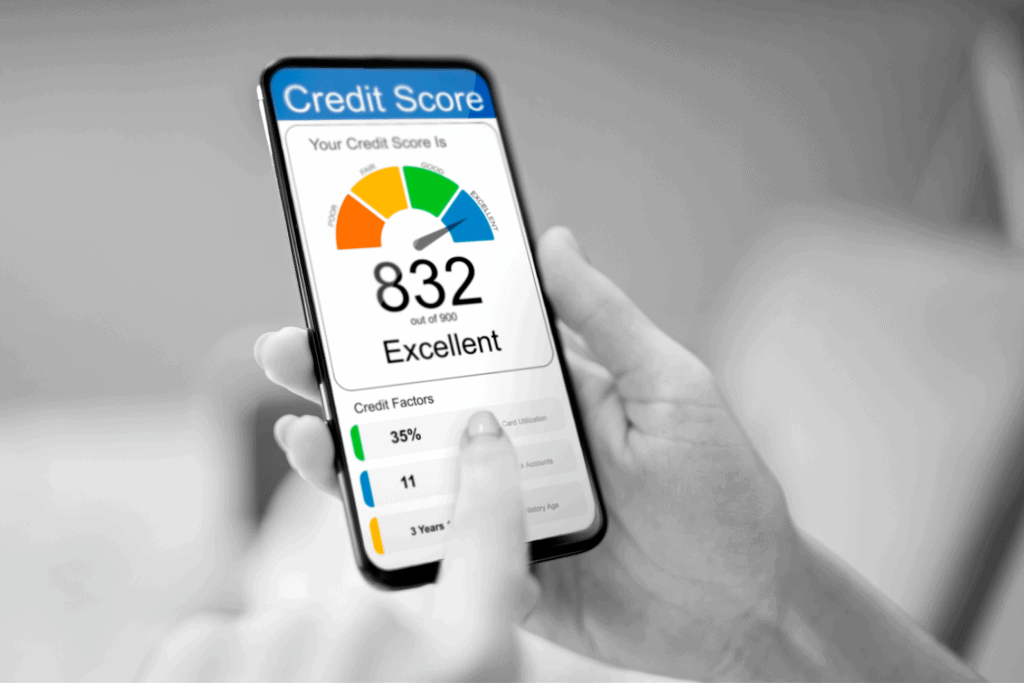
When you’re ready to buy a home, you’ll need to apply for a mortgage. Your approval chances and the interest rate you may qualify for depend on many factors, including your employment status, your current income, and your down payment size. One of the most important factors that impacts your mortgage application is your credit score.
A good credit score will get you approved for a mortgage, and it can help you qualify for lower interest rates. To be eligible for the best mortgage rates in Canada, you should aim to have a credit score of 680 or above. If your credit score is between 600 and 680, you might qualify for mortgages with alternative lenders. If your credit score is below 600, you should take steps to improve your credit score before applying for a mortgage. Keep reading to learn more about credit score requirements for mortgages in Canada.
Why Do Lenders Review Your Credit When You Apply for a Mortgage?

Lenders look at your credit to help them assess your risk level as a borrower. A mortgage is a considerable amount of money, and lenders want to feel as confident as possible when lending large sums of money to borrowers. Your credit score helps lenders feel more confident about their mortgage approval decision. It also helps lenders determine the appropriate interest rate to qualify you at.
Lenders view you as a less risky borrower if you have a high credit score. Your mortgage application will be approved, and you might qualify for low interest rates. If you have a low credit score, lenders may think you are a riskier borrower who may default on your mortgage. As a result, your mortgage application might be denied, or you might only qualify for mortgages with high interest rates. In general, the lower your credit score, the higher your mortgage interest rate.
What’s the Minimum Credit Score Needed to Get Approved for a Mortgage?

While credit score requirements for mortgages vary from lender to lender, the minimum credit score needed to get approved for an insured mortgage in Canada is 600. In July 2021, the Canadian Mortgage and Housing Corporation (CMHC) changed its minimum credit score requirement for mortgage default insurance from 680 to 600.
Credit scores in Canada typically fall into five ranges, from excellent to poor:
- Excellent: 741-900
- Good: 713-740
- Fair: 660-712
- Below Average: 575-659
- Poor: 300-574
Each lender will have specific credit score requirements, and interest rate offers. To qualify for the best rates from banks or mortgage brokers, you should aim to have a credit score of 680 or above. Lenders typically adjust their offer rates each time your credit score moves up or down by 20 points.
Some alternative lenders work with borrowers with credit scores between 600 and 680. If your credit score is in this range, you may need to make a higher down payment (above 20%) to qualify, and you might be offered higher interest rates than prime lenders offer.
If your credit score is below 600, there may be a chance that a subprime or private lender will provide you with a mortgage, but a word of caution: these lenders often charge interest rates in the double digits. In addition, they may also charge additional loan processing and service fees, usually equal to 1% of the mortgage’s value. These extra fees can cause your mortgage to become unaffordable and unsustainable.
Here’s a breakdown of the different credit score requirements and interest rates each type of lender offers.
| Credit Score | Mortgage Rates (5-year Fixed)* | Lenders | |
|---|---|---|---|
| Prime Lenders | 600-900 | 2.49%-2.99% | Major banks and credit unions |
| Alternative Lenders | 550-700 | 2.99%-4.99% | Trust companies |
| Subprime and Private Lenders | Less than 600 | 10%-18% | Private companies |
To summarize, you should aim to have a credit score of 680 or above before applying for a mortgage. You can use a service like Borrowell to check your credit score for free.
How Is Your Credit Score Calculated?

Your credit score is calculated based on five primary factors related to the information listed on your credit report. Each element makes up a certain percentage of your overall score. Here’s a breakdown of these five factors:
- Payment history (35%): This refers to your record of making payments towards your credit cards, loans, and other accounts on time. Missed payments will appear on your credit report and can hurt your credit score.
- Credit utilization (30%): This refers to how much credit you’re using versus the total credit limit available to you on your credit cards and lines of credit. A high credit utilization rate can hurt your credit score.
- Credit history (15%): This refers to the age of your various credit accounts. Lenders prefer working with clients with an established credit history and good payment behaviour.
- Credit mix (10%): This refers to the different types of credit accounts you have open. Lenders like to see that you’re able to manage at least two different credit accounts (such as a credit card and a cell phone plan).
- Credit checks (10%): This refers to the formal credit pulls lenders make when applying for financial products. Having too many credit checks listed on your report can temporarily hurt your credit score.
Your payment history and credit utilization rate make up over half of your credit score, so you should focus on these areas if you’re looking to improve your credit score.
How to Improve Your Credit Before Getting a Mortgage

Want to maximize your chances of qualifying for a good mortgage rate? Here are some general tips on how to improve your credit score before applying for a mortgage.
1. Pay Your Bills on Time, Every Time!
Paying your bills on time is essential for maintaining a good credit score. You should set bill payment reminders on your phone, or automate some of your regular bill payments through your bank account or credit card.
2. Avoid Late Payments, or Arrange Payment Plans for Late Bills
Late payments can harm your credit and can stay on your credit report for up to six years. The longer you leave a late bill unpaid, the more damage it can do to your credit. This viral TikTok shows how even a tiny missed payment can decrease your credit score by 100 points and hurt your chances of qualifying for a mortgage.
If you’re shopping for a mortgage, make sure you don’t have a late payment pulling down your credit score. However, if you have an overdue bill, contact your lender or service provider as soon as possible to arrange a payment plan.
3. Reduce Your Credit Utilization Rate by Paying off Your Credit Card Balances
Before you start shopping around for a mortgage, make sure your credit card balances are at a low level compared to your credit limits. The golden rule is to keep your total credit utilization rate at or below 30%.
Paying off your credit card balances can help you reduce your credit utilization and improve your credit score, especially if you’re currently carrying excessive balances on your credit cards. Avoid making large purchases with your credit card if you’re starting your house hunt!
4. Increase the Credit Limit on Your Credit Cards
Increasing the credit limit on your credit cards can reduce your credit utilization rate, which can help you improve your credit score. The key is to maintain the same balance on your card while increasing your limit.
For example, if you increase your credit card limit from $3,000 to $4,000 while keeping your credit card balance at $1,000, your credit utilization will decrease from 33% to 25%. It can be very tempting to splurge when you increase your credit limit, so remember to stay disciplined to reduce your credit utilization rate.
Maximize Your Mortgage Approval Chances With Good Credit

If you’re starting your house hunt this year, make sure your credit score is high enough before you apply for a mortgage. A credit score of more than 680 will maximize your approval chances and help you secure the best interest rates.
If you’re looking for a mortgage with bad credit, your options will be more limited. You may be tempted to work with subprime or private lenders, but they will charge very high rates and fees. If you have bad credit and want to work with a prime or alternative lender, you may need to make a much larger down payment, add a co-signer with good credit to your mortgage, or consider a joint mortgage with someone who has good credit.
If your credit score is below 600, take time to improve your credit score and reduce your debt. In addition, taking the steps recommended above will open up the types of lenders and interest rates you’ll be able to qualify for soon.