There remains some confusion around the terminology for all the buzz around smart house technology, particularly if you’re new to smart home monitoring. While all smart home devices are connected, not all connected devices are smart. But, just because people use the terms interchangeably these days does not mean they’re the same.
Here’s the difference between a connected home versus a smart home.
What is a Connected Home?
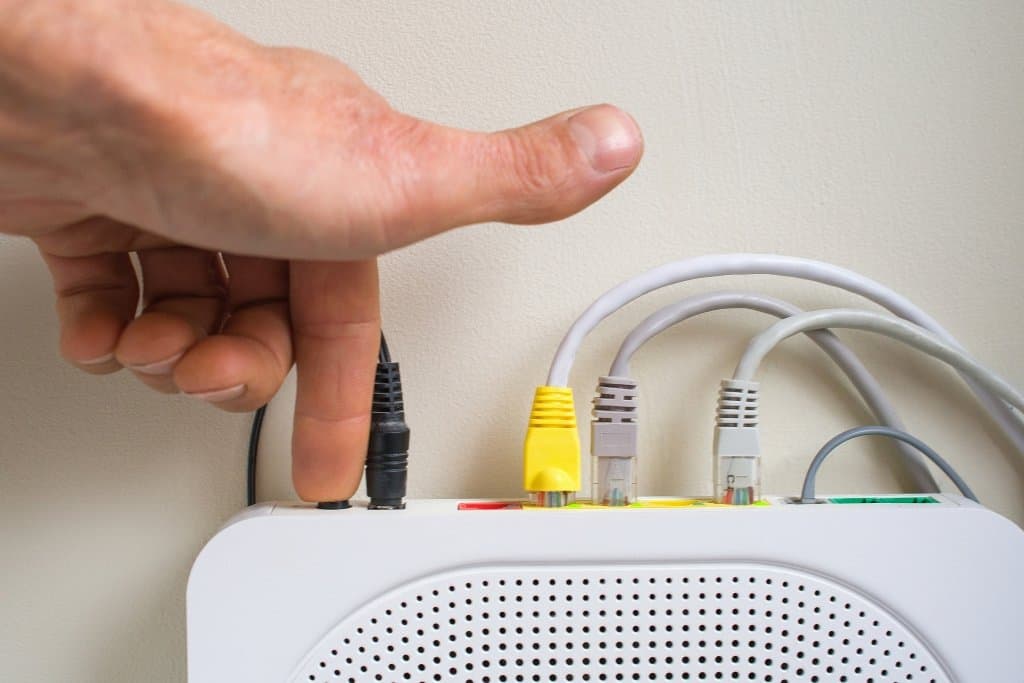
A connected home refers to items in your home that connect to the internet. This means the device has a port or antennae to connect to the internet and share information with other devices on the same network. A connected item can only be accessed when you are in your home, using the same network as the corresponding item. For example, a connected speaker that can only play music wirelessly from your phone by turning on Bluetooth is considered a connected device rather than a smart device.
Many connected devices will have their own separate app to control the product. So if you have many connected devices, you will have many different apps to navigate to handle each item from your phone.
In summary, what is a connected device?
- It has a port that allows it to connect to the internet
- Allows for communication between the product and other products
- Relays data to other devices via a network
- Other examples of connected devices include:
- Google Chromecast
- Door sensors
- Connected kitchen appliances
- Security system apps
What is a Smart Home?

A smart home, by contrast, is an automated home via one integrated control system. This means that there is one central system that all your connected devices are routed to, and you can simply control everything through that one system — like Amazon’s Alexa, for example.
A smart home also goes above and beyond a simple network connection. It will learn your habits to predict and set your home precisely the way you like it. For example, if it finds you routinely turn down the thermostat at 9 pm and turn it back up at 7 am, it will start to set your home to the temperature that you like at those times automatically. It uses your behaviour to learn exactly how you want your home — so you don’t have to be the one controlling the settings.
And a smart speaker, unlike a connected speaker, responds to your voice. It doesn’t require a Bluetooth connection to work — as it is always online. You can ask it to play a song, play that song, update the news, or play your favourite podcast.
In summary, what is a smart home system?
- Controls all home devices from one system
- Allows control even when you’re away from home
- Collects data to learn your behaviours and preferences
- Automatically set temperature, lighting, and more for you
A Comparison Between Connected Homes vs Smart Homes
| Voice control | Automated | Requires different apps | Learns your likes and behaviours | Works remotely | |
| Connected | No | No | Yes | No | No |
| Smart | Yes | Yes | No | Yes | Yes |
Do You Need a Connected Home or a Smart Home?

So does it make more sense to invest in a connected home or a smart home? It all depends on your needs and your budget. If you enjoy the convenience of a connected home and are ready to take the plunge but are unsure if it makes sense to go with an automated smart home, consider testing out a few connected devices first.
It would help if you also asked yourself a few questions.
#1. How much of your home do you want to connect?
Suppose you are just looking to control your TV and some lights via your phone. In that case, it makes sense to stick to a connected home — as this will be the more affordable option — and at this stage, there is no clutter of apps to wade through, so a fully integrated smart home system won’t provide much value. But if you want the works, from temperature to lighting, water, TV, music, smart appliances, and more — it might make sense to consider a fully integrated and automated smart system.
#2. What is your budget?
A fully automated smart home monitoring system will cost more to have professionally installed, and of course, upgrading all systems of your home will cost more than just a chosen few.
#3. Do you require remote access?
If so, you’ll need the full smart home setup. If not, you can stick to connected. Remote access allows you to view your smart security camera from work to see when a package has been delivered or monitor the dogs.
When it comes to deciding the functionality of your home, the best course of action is to test the waters and see if you like the convenience a connected home brings. For example, suppose you soon want more and more smart house items and connected appliances. In that case, this might mean you’re ready to move forward with the automation and access a truly smart home monitoring system provides.