While having a connected home can be a blessing in terms of both convenience and efficiency—it has some downsides. Unfortunately, those downsides come in the form of smart home security risks.
Anytime something is connected to the internet—there is a chance hackers can breach it and access your information. The more items you have connected to the internet, the more opportunities for a breach. You may think all your smart gadgets are incredibly secure, but the more smart home technology you have installed, the higher the possibility of a flaw waiting to be exploited.
And these flaws do get exploited. Security breaches affecting millions (and sometimes billions) of customers make the news regularly, along with stories about dedicated hackers breaching smart devices.
Here are the security risks you should be aware of when installing a new smart device in your home – and how to keep your smart home system safe and secure.

1. Personal Attacks

While most of us are aware of generic phishing scams or calls from scammers trying to make you believe any number of blatant lies, these are nothing compared to the terror of a targeted, personal attack. When someone can crack into your Alexa because you forgot to install the most recent software update—they have the potential to access your most private information—which makes it much easier to threaten you.
Anything you put online could potentially be found and read, allowing them to know intimate details about your life. For example, if you have any debts and they find out about it, they can pretend to be a collector demanding payment for that specific debt. It’s much easier to fall for a personalized scam with your unique details.
- Safety Tip: To avoid these types of personalized attacks on your smart home systems, make sure to treat any emails requesting your personal information with extreme caution. Most organizations will never request your data through email. If you’re unsure of the legitimacy of an email, call the business directly using a phone number you find through searching online, not the one provided in the email.
2. Old Software

The software used in smart home devices is constantly being updated. While many of these updates include improvements in functionality, some are security updates that patch vulnerabilities. Unfortunately, outdated software won’t receive these updates, making them a good target for hackers.
While the standard practice for most smart home software is to enable automatic updates, it’s essential to double-check that this functionality is enabled when you go through the initial setup process.
- Safety Tip: Manually check that your smart home tech software is up to date once per year. This information is usually found in the “settings” or “about this device” section of the software.
3. Identity Theft
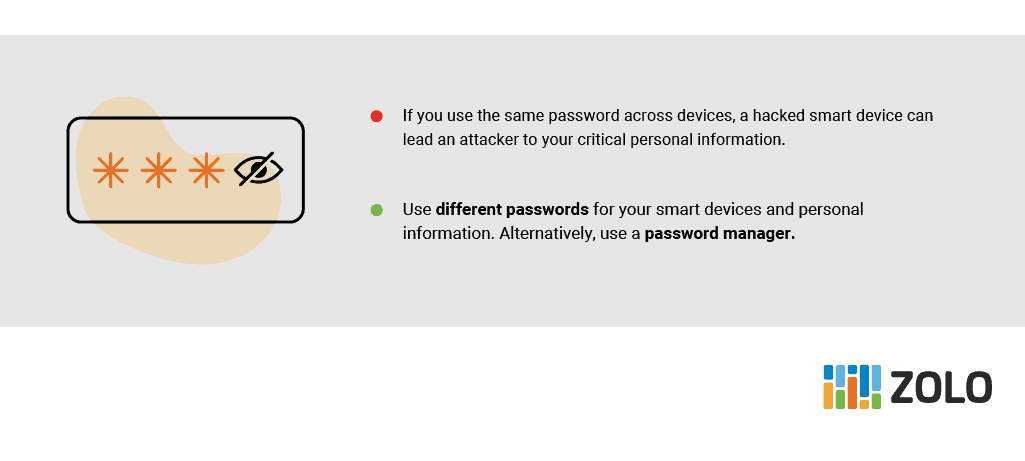
While you may not associate smart devices with identity theft, fun tools like lightbulbs and smart plugs can indeed lead to identity theft, and it is all starts with passwords. While you don’t store your personal information on your smart device, you do store passwords.
So if you use the same password as your smart devices for your more critical personal information like Canada Revenue Agency, email or personal banking login, you could open yourself up to identity theft. Furthermore, if a hacker can gain access to your smart devices, they may attempt to use your password for other purposes – to gain access to your critical personal information.
- Safety Tip: Use different passwords for your smart devices and personal information. Better yet, use a password manager, which assigns unique passwords to all of your devices. You only need to remember a single password to the manager.
4. Smart Home Security System Hijacking

One of the most significant benefits of using smart technology in your home is monitoring and protecting it. Gone are the days of expensive alarm systems and keypads. Instead, you can now achieve the same effect with a smart lock and several well-placed Wi-Fi-enabled cameras.
That said, home security systems store valuable information about your habits, including when your home is usually empty. Thieves could use this information combined with a disarmed system to make your home an easy target. Unfortunately, some smart cameras and smart locks can be easy to breach. Some manufacturers have made headlines when hackers found they could access private streams without even entering a password.
- Safety Tip: To protect your smart home security systems from being hijacked, make sure only to purchase home security systems from reputable manufacturers. In addition, manually set a password for every device, not just the app.
5. Appliance Hacking

While the concept of a smart fridge, stove, or dishwasher may seem appealing, keep in mind that every smart device that you add to your home increases the potential for a security breach. In addition, a hacker may be able to gain control of your more essential systems, like heating and cooling or water, and make changes to these systems that could result in catastrophic system failure. Therefore, minimize the potential risks by considering whether or not it’s worthwhile to enable the smart functions on these devices.
- Safety Tip: If you prefer the convenience and remote access these connections provide, only install devices with lock settings. These settings prevent a hacker from making damaging changes.
6. Third-Party Applications

Smart home tech risks extend beyond the devices themselves. In most cases, once you purchase more than one smart device, you’ll want to integrate them. Third-party apps can be a godsend when creating routines and automation, but they can be easy to breach.
Safety Tip: While a third-party app may boast the features you’re looking for, it’s safer to use the manufacturer app instead. They are much more likely to have adequate protections and secure authorization in place.
The Bottom Line
You must carefully weigh the risks with the benefits and decide what makes the most sense for you when it comes down to it. Of course, nothing connected is risk-free, but there are ways to reduce your risks if you are smart about it. You can stick to fully licensed, regularly updated software and invest in the latest technology and security features when they arrive.