
Imagine buying a home you love, moving in, unloading all of your belongings and sipping a glass of wine while you mindlessly scroll through your phone. Somehow, your finger slips onto real estate listings, and you’re suddenly fantasizing about upgrading to a larger home before you’ve even settled into your current one. Home buyer’s remorse can creep in subtly or be an obvious discovery after taking possession of a new place.
It’s hard to stop looking at the real estate market even though you already purchased your dream home. You think to yourself: what if there is something better? Well, here’s the problem with this addiction. You already made a financial obligation.
So, let’s talk about curbing home buyer’s remorse before it begins.
What Is Home Buyer’s Remorse?

For many, the days and weeks after buying a home are full of excitement and settling into their new space. For others, there is a feeling of remorse or regret when they find they aren’t delighted with their home purchase.
The feelings of remorse can come from many different avenues. You might see a listing down the street for a better price, or you might quickly realize that you aren’t fond of your neighbours. Either way, home buyer’s remorse can lead to stress and feelings of unhappiness for new owners.
According to a social media poll of 558 homeowners, 29% say they have dealt with buyer’s remorse. An even more staggering statistic from a Trulia survey found that 51% of homeowners regret at least one thing about the property they bought or the process of buying their home.
Amna Basit, a condo owner in Ottawa, is one of them. She says her regret is not buying sooner.
“My husband had shown me properties in the same community we bought in back in 2019 that were listed for $50,000 to $100,000 less,” she says. “I regret not being in a position to enter the market sooner.”
But, instead of living her life consumed with the ‘what-ifs’ of buying, Basit says she does her best to contextualize the moment in time by considering her emotional state when she did buy. “I’m reminded that I made the best decision with what I knew at the time,” says Basit.
Although home buyer’s remorse is common, you can also overcome the feeling by avoiding common mistakes as a first-time buyer.
Why Can’t We Stop Browsing Homes Online?
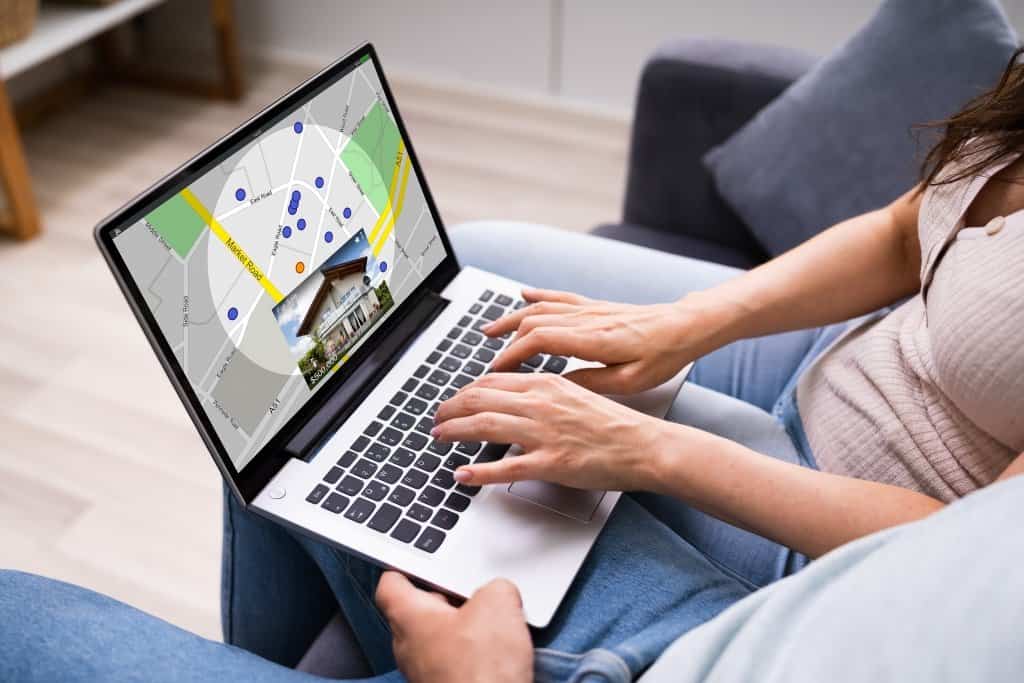
In the same social media poll, 52% of users admit they browse real estate listings more than once per week. Even 69% of owners, who are no longer house-hunting, continue to look at homes online.
Other statistics prove the addiction isn’t for one group of people in particular:
- 81% of renters browse listings even without a down payment saved
- 73% of users admit they look at homes well above their price range
Looking at real estate listings has become a common hobby for many North Americans, with Saturday Night Live getting in on the bit and joking about our obsession with looking at homes.
Browsing homes can be a good thing for many reasons:
- It can help you determine what you want and need in a property
- It shows you what you can realistically afford within your budget
- It gets you familiar with what to look for when reading through a listing
That doesn’t mean it’s always the best decision, mainly if you are already dealing with home buyer’s remorse. Basit says that for anyone else feeling the same way about their home should go easy on themselves. “I regret not purchasing sooner, but how was I supposed to know what the future held.”
How the Pandemic Has Shaped Our Real Estate Obsession

For many, looking at real estate and dreaming about buying a home became an even more common phenomenon since the beginning of the pandemic.
A 2020 Zolo study found that since the start of COVID-19, 74% of Canadians are more interested in buying a home than ever. For 23% of buyers, permanence and stability is the reasoning behind this desire.
As for those who already own, the pandemic forced them to spend a lot more time at home. Amanda Page, a single-family homeowner, says that she had more money to make some improvements because she wasn’t travelling or doing much besides spending time at home.
Initially, a property she desperately wanted to sell due to her buyer’s remorse became something she was grateful for.
“It made me slow down with my plans to sell at the five-year mark,” says Page. “When lockdown started, I was still team sell. One year later, I’m team consider-my-options-and-see-how-refinancing-looks.”
Although Page still doesn’t embrace her property as a forever home, she nurtures her asset and enjoys the space she has for the time being.
Things to Look For When Buying, so You Don’t Deal With Home Buyer’s Remorse
If you are one of the many looking to buy a home this year, let’s talk about the best things to keep in mind while house hunting and scrolling real estate listings online.
1. Be Realistic With Your Affordability
As much fun as it can be to browse real estate listings outside of our price range, if you are seriously searching for a home to buy, it’s best to keep that search within your budget.
Affordability is one of the most important factors for buying a home because you never want to feel like you’re struggling to make mortgage payments or cover other monthly expenses.
How much mortgage you can afford depends on your income, debt, credit score and a lender’s mortgage rate. Generally, financial experts will say that you should spend no more than 30% of your monthly gross income on housing costs. So, once a mortgage professional gives you a maximum price point, it’s never a bad idea to go one step further and compare that mortgage to your current budget.
2. Determine Your Non-negotiables
When looking at homes, it can become difficult not to knit-pick everything you see to ensure you land in the perfect place. To help, it’s always beneficial to create a list of needs and wants.
Needs might be a bedroom for each family member, an accessible entryway or a top floor apartment. Wants should be more so considered nice-to-haves, such as updated appliances and a fireplace.
Once you know what’s on your list, share these things with your real estate agent to ensure they are on the same page and only show you properties that align with what you want.
3. Look For Any Deal Breakers When You Do Your Walkthroughs
Dealbreakers is another great list to make that will help automatically eliminate homes that you may not be entirely sure about.
For instance, if having a quiet neighbourhood is essential to you, and you notice there are loud vehicles on either side of your home, you may want to reconsider. Multiple showings and visits at different times of the day can shed light on some things we might miss if we only view a property once.
It can be hard to get everything right when you buy your first home, mainly because you’ll never know what you want and need until you settle into your new space. For us, small things would be of great importance to a future purchase if we ever move again, such as a backyard with more sunlight.
For that reason, it’s a good idea to remind yourself that you may not always be able to have everything on your list of wants and needs — but also to remember that homes can be updated and changed with time.