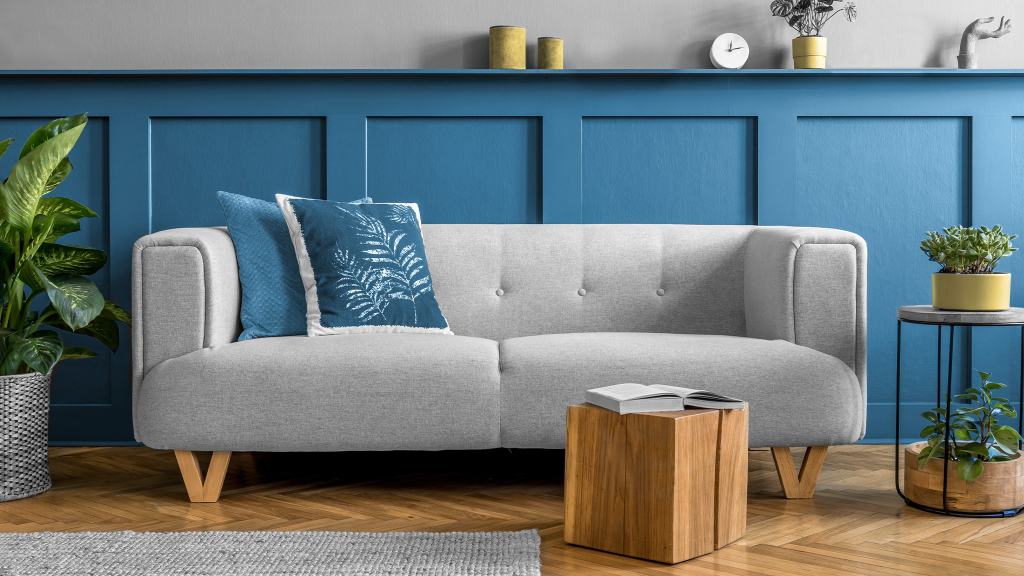
You’ve probably heard of minimalism. You’re likely up to date with how to declutter your home. But are you familiar with the latest Japandi design trend?
According to Pinterest, searches for the term “Japandi” increased by 100% in 2020. This design trend has also been featured by well-respected design magazines such as Dwell and Architectural Digest. Its modern feel and neutral tones have taken homes all over the world by storm. Luckily, we’re here to clue you in on the Japandi design trend and how to incorporate it into your home.
What is Japandi Design?
Japandi design is a mixture of Japanese and Scandinavian designs.
Japanese design incorporates items for their functionality and favours a decluttered space. It also highlights the principle of wabi-sabi, meaning finding the beauty in natural imperfections.
Scandinavian design uses warm earthy tones and natural materials. It embodies the idea of hygge. Hygge is a Danish word that means the feeling of coziness.
The fusion of these two aesthetics creates an intentional design with a neutral colour palette, natural elements, clean lines and an emphasis on craftsmanship.

When considering including Japandi design into your home, it’s important to do it in a culturally sensitive way. Dr. James O Young, the author of Cultural Appropriation and the Arts, explains that embracing the design of another culture can be a compliment. However, “It is the intention of the decorator or owner that is meaningful.” Be sure you understand the meaning behind the decor you are including and that it’s being used in a respectful way.
10 Japandi Design Tips
Now that you have a better understanding of what Japandi design is, you can start to use it in your space. Whether you’re moving into a new home or updating your current layout, here are some design tips to try.
1. Apply Minimalism Principles
Japanese and Scandinavian designs both have an element of minimalism. Minimalism focuses on being happy with less. Try removing all the items in your space and then returning only the things that you need or truly bring you joy. In many cases, less is more.
2. Work With Wood
Wooden furniture showcases craftsmanship, gives the space a natural feel and will last longer than many other materials. Japandi design typically highlights lighter woods like pine or birch rather than dark woods like walnut or cedar. There are many ways to include wooden furniture pieces throughout your home, from sleek wooden armchairs with curved arms to functional dressers.
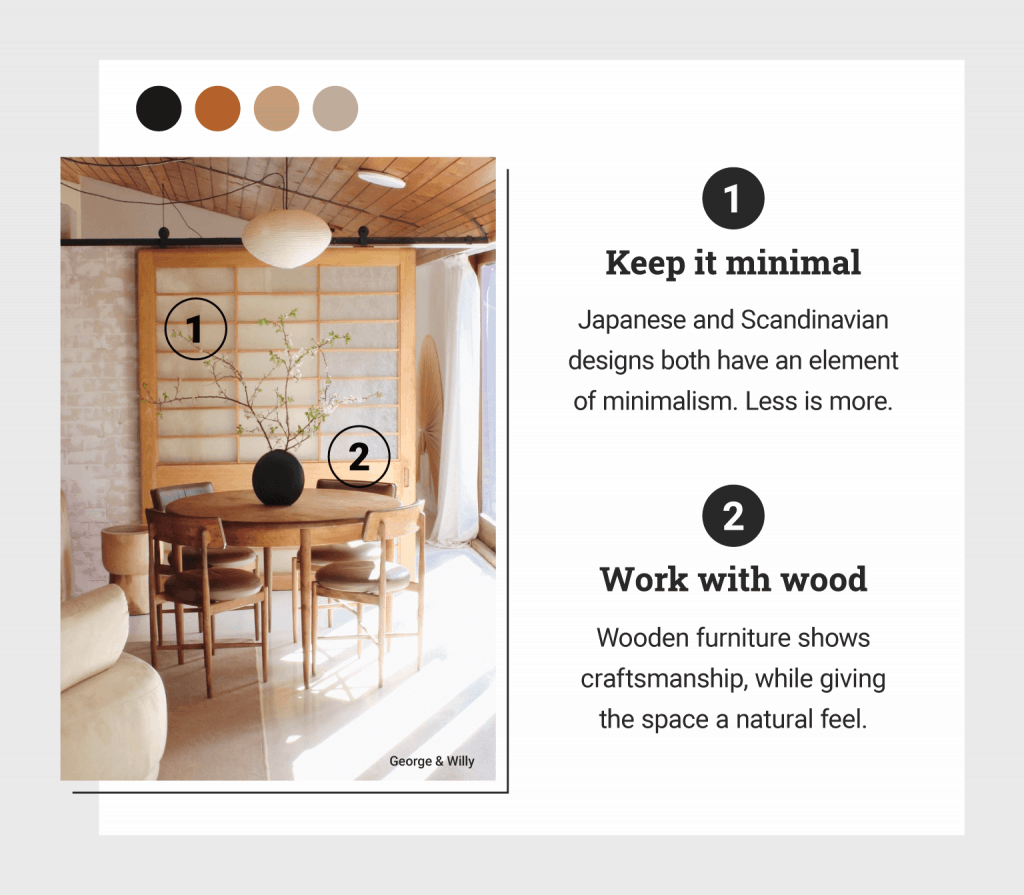
3. Include Clean Lines
Both design styles feature clean lines, so be sure to keep this in mind when styling your room. Remove any furniture or fabrics that emphasize ornamental designs. Keep your furniture and decor practical rather than overly embellished. These clean lines and a focus on functionality will make the home feel more modern.
4. Try a Simple Colour Palette
Japandi design features a simple colour palette. Focus on three main colours when decorating your space. The colours you choose should primarily be neutral tones like white, ivory, beige, taupe and gray. This colour scheme is especially beneficial for small spaces because it will make them feel brighter and more open.
5. Integrate Soft Light
Scandinavian and Japanese designs both have an emphasis on lighting. Japanese design often uses shoji screens to diffuse harsh or artificial light naturally. Hygge design includes candles and encourages warm natural lighting. Find ways to incorporate natural, diffused light into your home. You can do this by adding window treatments or making the fireplace the focal point of the room.
6. Go Green
Japanese home design incorporates plants and living elements in a unique way. One example of this is a kokedama, a plant wrapped in moss and hung as decor. Scandinavian home design also uses plants, typically potted in white planters, with light wooden plant stands or hung on the wall. Regardless of how you display them, adding plants will add more life to your space.

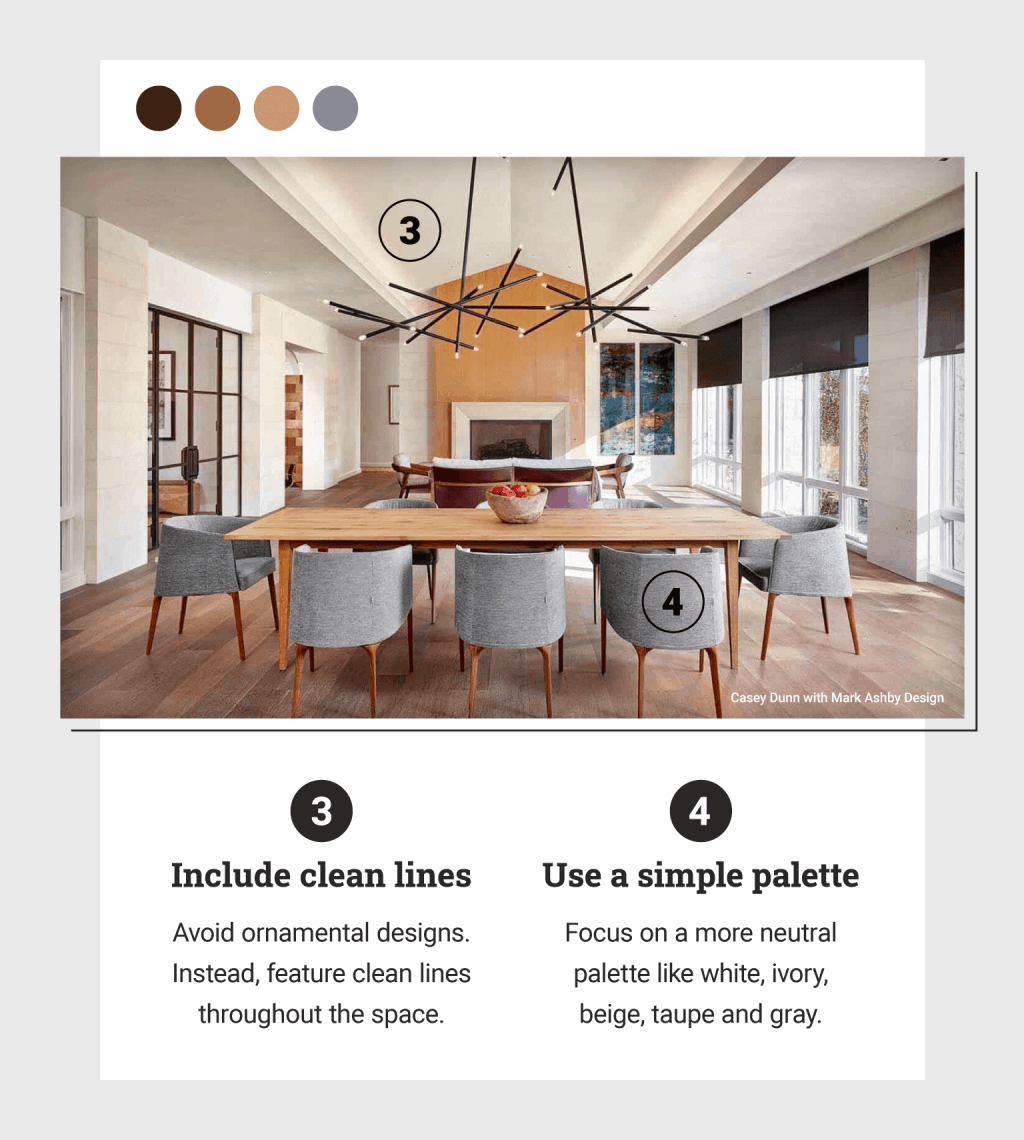
7. Contrast Colours
While Japandi design primarily uses neutral colours, it also has a lot of contrast. You’ll see black or deep green juxtaposed with light woods and a cream colour palette. Play around with these warm and cool colours to really make the space pop.
8. Mix Your Furniture Styles
You can identify Japanese furniture by its curved lines, multifunctionality and simplicity. It typically will feature dark brown or red woods. On the other hand, Scandinavian furniture is more rustic and can be industrial-looking. Mimic the Japandi look by mixing both of these furniture styles. Try pairing a minimal futon with rustic side tables or an egg-shaped lounge chair with a dark wooden bookcase.
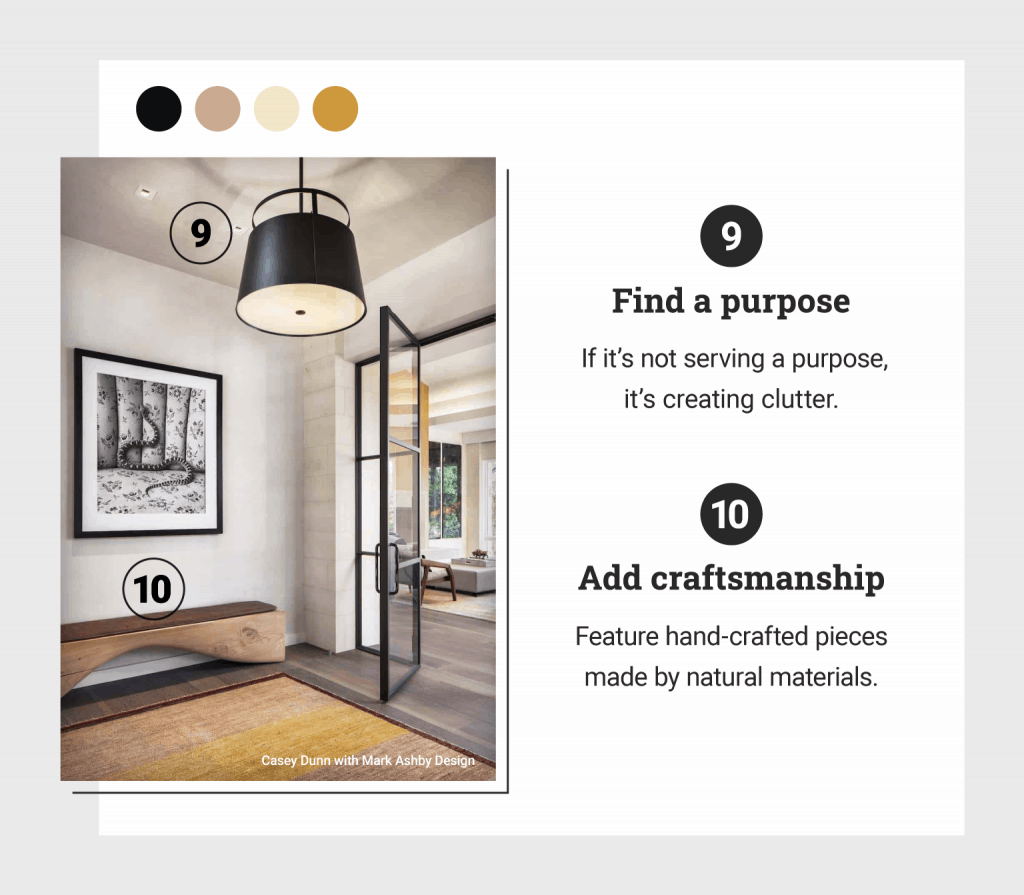
9. Only Include Items That Have a Purpose
Japandi design requires you to be intentional about what you decide to showcase in your home. Each item should have a purpose in the space. If it’s not serving a purpose, it’s probably creating a cluttered environment. The goal of this design is to be free of clutter and able to focus on what really matters in your life.
10. Incorporate Craftsmanship
An example of a wabi-sabi design is a ceramic bowl that might not be a perfect circle or might have a crack in it. While it’s not perfect, it’s still functional. Hygge design uses pieces made from natural materials. Hand-crafted pieces are typically made from natural materials, and each one is unique, so they perfectly embody Japandi design.
Be sure to highlight craftsmanship throughout your home. A local woodworker may craft your kitchen table, or you might decide to purchase a vase from a pottery shop. These pieces will make your space one-of-a-kind.
Try Using Japandi Design Elements in Your Home
There’s a good chance you may already have a lot of these design features in your home. With a recent trend toward minimalism and the widespread popularization of Scandinavian furniture in IKEA, you may have naturally cultivated a Japandi style home. If not, this guide should lead you on the right path. For more trends and tips, check out the home design articles on the Zolo blog.