
If you intend to join the growing number of Canadian homeowners who have a home renovation lined up, it’s important to be aware that a sizable amount of time and money will likely be required. While you can count on most home improvements to increase the value of your home and boost the enjoyment you get from your living space, setting realistic expectations upfront should help you avoid costly home renovation mistakes.
Here, we’ll cover a few of the most common home renovation mistakes by homeowners throughout the renovation process. We’ll also suggest some helpful tips for increasing your home’s value while staying within your budget.
1: Lack of Planning

A trend toward spending less on renovations and more on maintenance and necessary repairs is a signal that homeowners may be taking a generally more relaxed approach toward home improvement projects, but it can also point to a lack of planning. In other words, even something as simple as a leaky faucet repair, neglected long enough, can eventually develop into the need for a full-blown bathroom remodel.
Before starting any repair project, consider the risks of the snowball effect: When working on home repair projects, one thing often leads to another. Your leaky bathroom faucet can result in a rotting subfloor that also needs to be replaced. When you lift the toilet to replace the floor, you may notice a crack in the bowl that requires another trip to the home improvement store, and on it goes.
Before being blindsided by a larger-than-expected remodeling project, carefully examine surrounding room components for potential problems. If the work is beyond your do-it-yourself (DIY) capabilities, call in a contractor for a professional assessment of what needs to be done versus what you’d like to have done.
As the renovation proceeds, it’s easy to notice something you didn’t initially factor in, which means you may be tempted to change the reno plan part way through. Thing is, any change in a plan, no matter how small, can have a significant impact on the design and construction of the overall reno, and this means added costs.
The key is to really take the time before you start renovating to nail down your overall vision and to solidify your home reno needs during this planning phase. Fail to take the time before the project starts, and you will certainly pay out-of-pocket if you decide to change the design or expand the project after it starts.
2: No Detailed Budget

The good news is more than a third (38%) of millennials will construct a renovation budget, according to the CIBC survey. Without a structured budget and a commitment to stick to it, no amount of “bargain shopping” will keep expenses under control. The result? A beautiful, overpriced renovation — and a lot of unexpected debt.
To avoid paying for this home renovation mistake for years to come, establish a realistic budget and adhere to it. Research your particular project — check online home improvement sites to find what you like, what’s available, and how much it should cost. Shop around for sales, financing packages, and government programs that may offer subsidies or tax credits.
If you intend to do the work yourself, calculate your capabilities — realistically. If you’re only vaguely familiar with plumbing work, you run the risk of causing major water damage, or worse, in the process of a DIY bathroom renovation.
Be careful about cutting corners to save money. Buying lower quality products or materials might seem like a good way to stick to your budget, but inferior components that fail prematurely will force you to pay for repairs or replacements, which adds even more cost. Here are a few red flags to watch for that can help you avoid going over budget:
- Products or services may be more costly than you’d expected.
- You find it hard to resist products or materials that are priced outside your budget.
- Your project or design can be easily changed or expanded to include more than you’ve originally budgeted for.
- The project may turn out to be more complicated than you expected.
- Unexpected construction issues, and costs, can arise after the project is started.
If you’ll be working with a contractor to complete the renovation, ask friends and family for recommendations. Get written quotes from more than one company. Carefully review the contract to understand what benefits and warranties are included to avoid making any home renovation mistakes.
3: Lower-Than-Expected Return on Investment
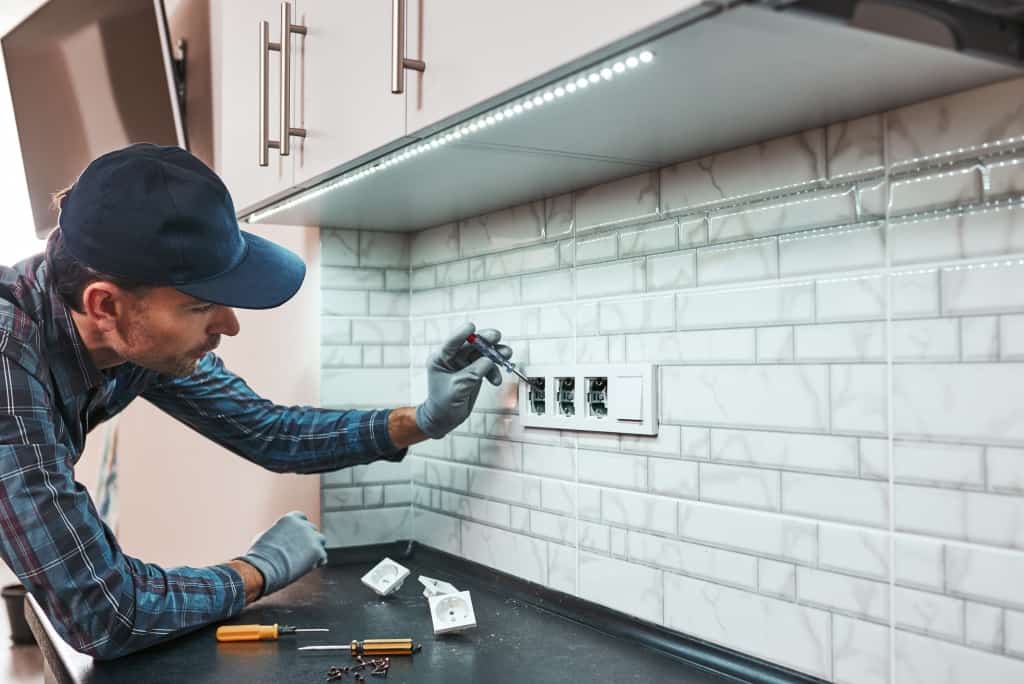
While many home improvement upgrades can add significant value to your home upon resale, not every project will have the same impact. According to the National Bank of Canada, fixing your roof and replacing windows and doors are some of the safest investments for maintaining your home’s worth. Upgrading a kitchen or adding a bathroom will provide a greater return on investment than installing a pool or similarly ambitious project that can push your home’s selling price higher than the area warrants.
According to the Appraisal Institute of Canada, the top five home renovations that increase property value are: updating kitchens and bathrooms, exterior and interior repainting, lighting and plumbing fixture updates, replacing worn flooring/refinishing hardwood flooring and decluttering.
Another option is to consider how best to renovate for the way you and your family use your home. According to HomeStars founder and CEO, Nancy Peterson, the home renovation site saw an increase in home reno requests in four major categories:
- Kitchen renos – up 51%
- New floor or refinishing – up 53%
- Bathroom renos – up 22%
- Basement renos – up 17%
If you are planning on renovating or upgrading to sell, consider checking out what men and women want in a home. Turns out that a garage is desired by both men and women, while a pool is not that important.
Also, determine how long you plan to live in your home. If you plan to renovate to sell, smaller home renovation projects are likely to bring a faster ROI.
4: Not Preparing for Disruptions
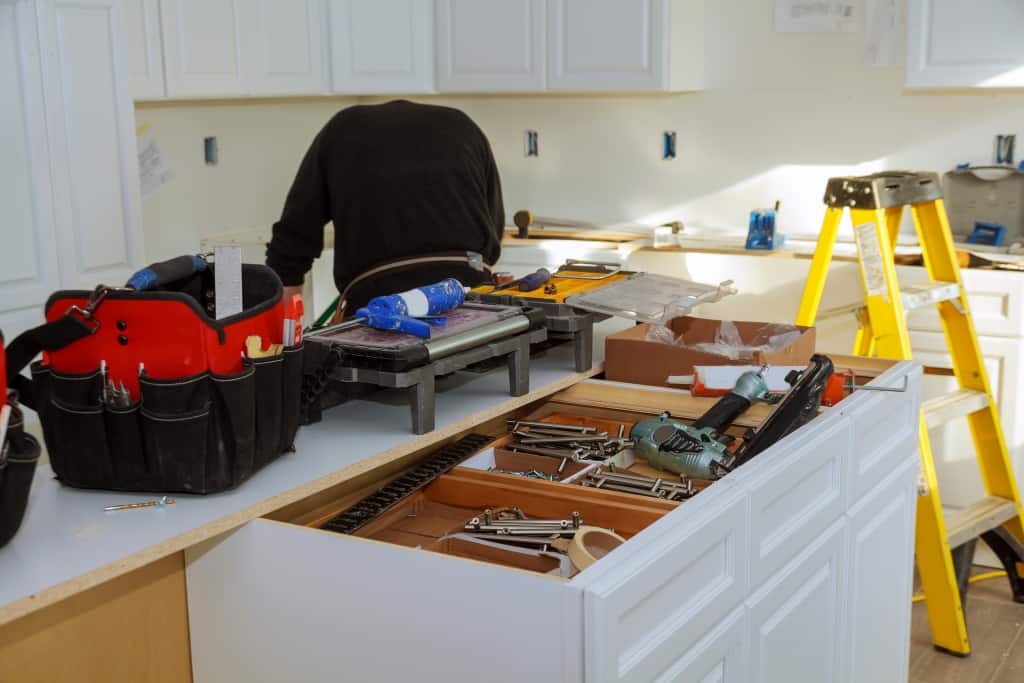
Home renovations, big or small, are almost certain to disrupt your household routines. If you plan to stay in your home while the work is being done, make it as easy as possible by keeping work areas separated from family members and pets. Homeowners often overlook the challenges associated with a project and fail to prepare properly. If you’re doing a full kitchen upgrade, you’ll need to have alternative plans in place for meal preparation, including breakfasts, lunches and snacks for adults and kids.
Daily site clean-up can go a long way to helping the project run smoothly and making sure you avoid costly home renovation mistakes. If you’re doing the work yourself, consider renting a dumpster for construction debris. If you’re hiring a contractor, discuss their plan for clean-up as well as any safety concerns at the outset. Also, discuss work hours. You’ll want to make sure your family can get ready for the day and complete their necessary routines with as little contractor interference as possible.
Protect yourself from home renovation mistakes by properly planning your project, establishing a budget and tracking expenditures, realistically calculating the value and expected ROI for the renovation work, and preparing carefully for disruption to your household as the work is underway.
By addressing all of these issues before starting your home renovation project, you’re sure to have a more enjoyable experience, and an improved home environment to enjoy for years to come.