

When it comes to selling a home in Canada, you may wonder if it’s possible to sell a house without a Realtor or sell a home privately to avoid paying real estate commission fees. Selling your own property can be a great option for those who are familiar with the home selling process. However, there are potential pitfalls of working without a real estate agent’s guidance. Here are the steps involved in selling your home privately in Canada, along with what you should know before listing your home.
Key Takeaways
- Selling privately in Canada can save you 2 to 5% in listing commissions, but requires taking on pricing, marketing, showings, negotiation, and paperwork yourself
- Most private sellers offer 2 to 2.5% commission to buyer’s agents to keep their listing competitive
- Researching your local real estate market is crucial before selling your home privately
What It Means to Sell Your Home Privately
Selling your home privately, also known as For Sale by Owner (FSBO), means working without a real estate agent and handling many aspects of the sale yourself. However, you will still need to work with some professionals, such as a real estate lawyer, to complete the sale. Using other professionals, like photographers and home stagers, is optional.
The most common reason Canadians sell their own homes is to save on selling costs, such as real estate agent commissions. Real estate agent commissions vary across Canada, but in Ontario, commissions are typically 5% of the purchase price, with 2.5% going to the buyer’s agent and 2.5% going to the seller’s agent.
While saving thousands of dollars is appealing, it is essential to plan your home sale properly to avoid legal and financial mistakes. This includes research, pricing your home, preparing and marketing your listing, negotiating offers, and closing on the sale.
The Pros and Cons of Selling Your Home Privately
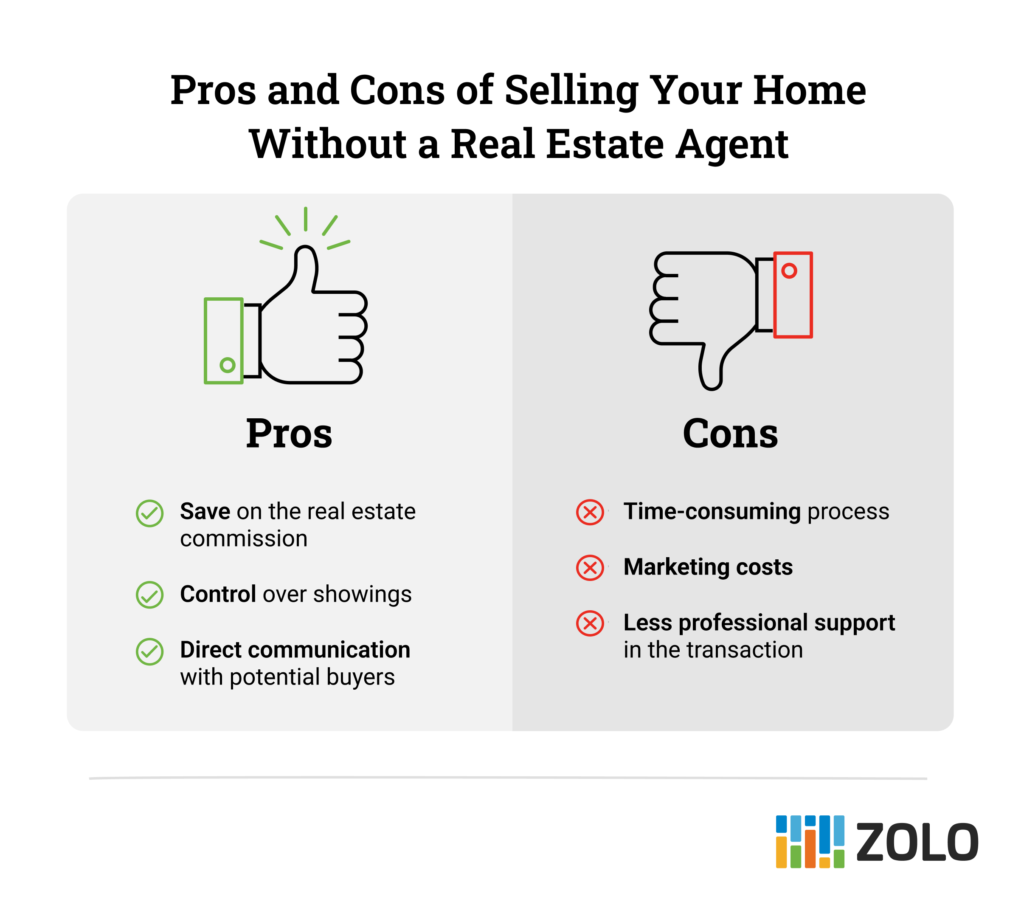
There are both advantages and disadvantages to selling your home privately. On the one hand, you may save money on real estate commissions, have complete control over showings, and communicate directly with potential buyers.
On the other hand, selling your own home is a significant time commitment, and can feel like a full-time job. In addition, you may incur marketing costs and need to handle many aspects of the transaction yourself.
Step 1: Research and Price Your Property Accurately
By far one of the most important aspects of selling your home is pricing it properly from the beginning. The price affects the visibility of your listing, buyer interest and the final sale price.
First, research your local housing market by looking for recent comparable listings in your neighbourhood. Objectively compare the home’s features, price, and how long it has been on the market. Online tools, such as Zolo’s market trends and sold data, are helpful for finding information for a comparative market analysis.
Next, think about pricing your home. Zolo’s Property Value Estimate calculator can help you determine a realistic price. You can consider getting a professional appraisal of your home for an even more accurate evaluation.
Your listing price should reflect your selling strategy and the market conditions. Pricing your home appropriately in today’s market is crucial to achieving the best price and avoiding leaving money on the table. For instance, if you have a target selling price, you can list slightly above it, leaving room for negotiation in a balanced market.
Alternatively, you can list at or slightly lower than market value to encourage multiple offers in a hot seller’s market. In addition, you can attract buyers searching for homes in a certain price range by pricing your home slightly below a round number, such as $599,900 instead of $605,000.
Step 2: Prepare Your Home for the Market
In today’s market, most buyers are looking at homes online before they decide to view them. Therefore, it is essential that your listing makes a great first impression. This includes preparing your home and writing a great listing.
Preparing your home for the market can include decluttering by removing personal items and excess furniture, staging rooms to make them look larger and more appealing, and making minor repairs. It’s especially important to focus on high-impact areas such as the kitchen and bathrooms.
Moreover, you should consider hiring a professional photographer to take photos for your listing. Analysis suggests that listings with professional photography sell 32% faster than other listings, selling 5 weeks faster on average. Professional home staging may be another worthwhile investment, as professionally staged homes often sell for over the listing price.
When you write your online listing, be sure to provide accurate, detailed information about your property to help buyers learn more quickly, increasing the chances of receiving inquiries.
Step 3: Marketing and Getting on the MLS® System
Marketing your listing without a real estate agent can be tricky. Only professionals can post homes on the MLS® System, which means that to post your home on websites like REALTOR.ca and Zolo, you will need to use a mere posting. Mere posting services, like EazySell by Zolo, typically involve paying a flat fee to have a real estate agent list your home on the MLS® System. There is no commission to pay as the agent is only providing the service of listing your home on the MLS® System.
Other options for marketing your home include putting up a For Sale by Owner sign, posting on online forums and social media, and hosting open houses.
Step 4: Mastering the Showing and Negotiation
Showing your home to potential buyers is an essential part of selling. Respond to showing inquiries quickly and professionally. If you’ve installed a lockbox for real estate agents to use, you do not need to be present during showings.
All offers to buy your home must be in writing. Review each offer carefully, including:
- Purchase price – How does the offer compare to your asking price?
- Deposit – There is no standard deposit amount in Canada. However, a larger deposit may signal a more serious buyer
- Conditions – Common conditions include lawyer’s approval, financing and inspection, but offers may also include the sale of the buyer’s property. Each condition adds risk that the sale falls through
- Inclusions and exclusions – Offers should be specific about what is included in the sale, such as appliances, window coverings, and fixtures. If anything is included that you plan to take with you when you move, be sure to exclude it on your counter-offer
- Closing date – Check if the closing date offered aligns with your timeline
If the buyer is represented by an agent, you can negotiate directly or choose to communicate through your lawyer to maintain professionalism and documentation.
Step 5: Closing the Deal
Once you accept an offer, the deal moves to “sold conditional” status. The sale isn’t final until the buyer removes all conditions in writing by the agreed deadline. To close the deal, you will need to work with a real estate lawyer to handle critical closing tasks, including:
- Reviewing the Agreement of Purchase and Sale
- Conducting a title search to confirm clear ownership
- Preparing statement of adjustments (prorating taxes and utilities)
- Managing mortgage payout to your lender
- Registering the transfer of title
- Releasing keys to the buyer once funds are received
Failing to handle proper disclosures and paperwork can lead to legal issues, so it is important to prepare all necessary legal documentation before finalizing the sale.
When to Consider Switching from Private Sale to an Agent
You may decide midway through selling your home privately that you’d like some more professional help. If you feel overwhelmed, haven’t had many showings, or have had a failed offer due to negotiation issues, switching to an experienced agent may be your best bet.
A professional can help by refreshing the asking price, broadening marketing to reach more potential buyers, and expertly negotiating any offers.
Bottom Line
Selling your home privately is possible, but it is not ideal for everyone. Navigating a real estate transaction is a time-consuming process, and it may be best for those who have experience selling a home. But, if you decide to sell your own home, be sure to do your research, prepare a home selling checklist to stay organized, and hire a real estate lawyer.
If you want to sell your home yourself, EazySell by Zolo allows you to list your home on the MLS® System and Realtor.ca and handle all buyer inquiries yourself.
Selling a House Privately FAQs
Can I still list my home on Realtor.ca and the MLS® System if I sell privately?
Yes. In Canada, you can pay a flat-fee brokerage for a “mere posting,” which puts your home on the MLS® System and Realtor.ca while you retain the right to sell it yourself.
Do I still have to pay the buyer’s agent commission?
To maximize exposure to qualified buyers, most private sellers continue to offer a 2% to 2.5% commission to the buyer’s agent. Failing to offer a buyer’s agent commission often results in significantly lower interest, as many buyers rely on agents who expect compensation.
Is selling a house without a Realtor legal in every province?
It is legal to sell your home without a Realtor in Canada. However, you will need to work with a real estate attorney to complete mandatory tasks, such as registering the transfer of property with your province’s land registry office.
What are the biggest risks of selling privately?
The biggest risks of selling your home privately include underpricing or overpricing your home and limited exposure compared to a full-service agent’s network. Setting the right price can be tricky; underpricing your property could mean losing potential profit, while overpricing your home can leave it sitting on the market with little interest from buyers. Additionally, without access to a real estate agent’s network, it may be difficult to reach prospective buyers.
Do I need a real estate lawyer if I sell my home privately?
Hiring a real estate lawyer is required in Canada when selling a home in order to register the transfer of property with your province’s land registry office. In addition, a lawyer reviews legal documents, performs a title search, and handles the funds transfer. Consider searching for a lawyer experienced in private or FSBO transactions.
How do I sell my home privately to a friend or family member?
If you already have a buyer for your home, such as a friend or family member, you can skip marketing it. However, it’s still essential to consult with a real estate lawyer to handle the legal process, including reviewing the Agreement of Purchase and Sale, conducting a title search, preparing a statement of adjustments, and registering the transfer of title.
