
With Canada’s housing market fully recovered from the COVID-19 pandemic and poised to reach new heights in 2021, your current or future house isn’t just a place you’ll call home. It’s also a large portion of your financial portfolio. Along with your investments, you’ll also rely on your home’s equity to fund a part of your eventual retirement. For this reason, it’s essential to your financial prosperity that you own a home that can help you build equity.
If you’re interested in buying an older or heritage home, you might be concerned about their reputation for being expensive to maintain. While it’s true that older homes do require more maintenance and upkeep than a new build, you can still build equity, provided you choose the right home with the right characteristics.
Here’s what to look for in the buying process and beyond if you want to build equity with an older home.
What Is Home Equity?
Before we get into choosing the right home to build home equity, just what is home equity? Your home equity is the value of your home minus any financial commitments secured by the house, like a mortgage or a home equity line of credit (HELOC). For example, if you have a home that is worth $500,000 and you have a mortgage of $200,000, you have $300,000 in home equity. Typically, you’ll buy a home, and it will appreciate while you pay off your mortgage so that your home equity increases every month.
What to Know Before You Buy

Your journey to building equity with your older home starts before you even put an offer on your first house. That’s because the most significant determinant of whether you can build equity in your older home is the neighbourhood in which you purchase your home. Traditionally, you’ll find older homes in well-established, highly sought-after areas close to the urban core and services. Older homes in walkable, tree-lined, historic neighbourhoods have a tremendous potential upside for equity building.
Before you put an offer on your first home, consider the neighbourhood carefully. Research recently sold listings and determine the maximum potential selling price for a fully updated home with your ideal square footage. This research gives you a sense of the current maximum possible equity.
We recommend taking the extra step and researching any upcoming changes or developments in your area. If your ideal neighbourhood is an established area with mixed-use districts nearby, upcoming developments could boost your future home’s value. For example, suppose there are plans to refurbish a recreation centre or a major commercial development due to come online in the next few years. In that case, those developments could boost your potential home’s total value and, thus, your equity.
When buying an older home, the adage of “buy the worst home on the best block” rings true for building equity.
You’ll have the most significant chance of building equity if you choose an older home in a neighbourhood of well-updated dwellings.
What to Do After You Buy
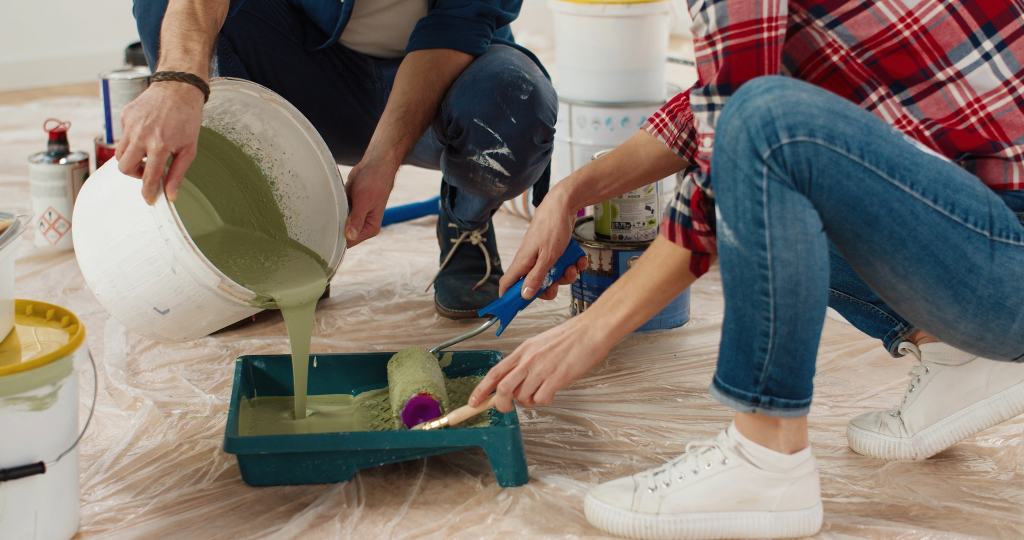
While choosing the right home in the right neighbourhood is an excellent way to prime yourself for building equity with an old house, the real opportunity is when you get the keys. First, older homes have a bad reputation for requiring extra maintenance and being expensive to maintain. This additional maintenance myth is a misconception, as most older homes don’t take any more work to maintain daily, weekly, or yearly. That said, an older home might need some essential updates while you are a homeowner.
For example, if you buy a newer home, all of the materials are new, so it’s unlikely that you’ll need to pay for a new roof, replace appliances, or upgrade the electrical system to align with modern code. An older home is much further along in its lifecycle, so you will likely need to pay out of pocket to replace these systems during your time as a homeowner.
Your home is more likely to need updating if it is outdated, as we’ve recommended above. The upside of investing in updating your older home is that renovations and upgrades will boost your home’s value, which will increase your home equity.
You can maximize the return on your investment of any upgrades by learning to tackle them yourself. DIYing home improvements can be very rewarding and helps you build equity while minimizing the cash out of pocket. The scale of DIY projects that are feasible to tackle alone largely depends on your skills, but here are some examples of ways homeowners update their older homes themselves, depending on their skill levels:
Beginner Updates
- Painting
- Updating electrical outlets and lighting
- Gardening
Intermediate Updates
- Air sealing for energy efficiency
- Replacing appliances
- Retiling and refinishing flooring
Advanced Updates
- Renovating the kitchen
- Updating or adding bathrooms
How to Manage Your Home Equity
Choosing a home that is likely to appreciate and using your skills to improve its value are essential parts of the home equity puzzle. But there is a third piece to this puzzle, and that is managing your home equity properly. Your home equity is the value of your home, minus the debt you have secured against it.
You can use that equity to take on debt by signing up for a HELOC. You can use a HELOC for anything from taking vacations to funding a child’s post-secondary education to home renovations. Each time you use your home equity for purposes like those mentioned above, you cut into your overall equity and reduce your profit when you sell your home in retirement. For this reason, we recommend only accessing your home’s equity for spending in an emergency and not as a way to supplement your income.
The Final Word
Older homes aren’t usually turnkey places to live, and you will need to invest some money into keeping your older home upgraded to modern standards. That said, you’ll be able to build your home’s equity by choosing your home carefully, tackling your home renovations shrewdly, and avoiding tapping into your home equity for spending. From there, it can become a sizable portion of your financial portfolio.