
Nobody wants to wake up in the middle of a summer night to find out that their air conditioner stopped working. It can be hard to judge whether the problem with your central, portable or window A/C unit is only minor or requires help from an air conditioning professional.
To help, here’s a cheat sheet on the most common reasons why an air conditioner stops working, along with some quick do-it-yourself tips on how to fix — or when to call the professionals.
9 out of 10 homes now use some type of air conditioning unit
And since it’s always better to prevent the problem altogether, we list the main signs to look for that could signal it’s time to replace your air conditioner.
Air Conditioner Not Working?
Temperature control is no longer a rare luxury but a standard feature of most homes in North America.
The most common air conditioning problems include:
- your air conditioner won’t turn on
- your air conditioner turns on but doesn’t cool air
- your air conditioner doesn’t perform as well as it is expected to
To help, we list the must-do steps for checking a broken A/C unit and provide the more common reasons for how and why air conditioners break down. We also offer do-it-yourself tips on how to repair your A/C unit as well as suggestions on when it’s time to call a professional.
Check the Thermostat
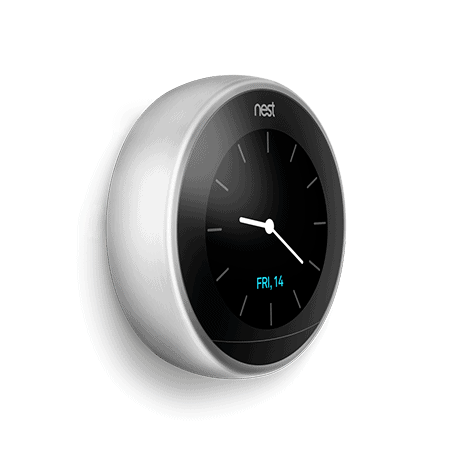
The worst thing to check when your air conditioner stops working is whether the unit is plugged in, turned on, with a correctly set thermostat.
To start, check to make sure the A/C thermostat isn’t switched to an ‘automatic’ mode which might be preventing it from cooling the air. This mode may require the room to reach a certain temperature before the air conditioning unit will start to cool the air. If you’re unsure how to use the A/C unit’s thermostat then read the manual or go online to find the instructions.
Once you know how to set and use the thermostat, program the unit to start and stop at known temperatures — then watch to see if it starts to cool the air and stops working, as requested by the thermostat settings. If this doesn’t happen, you may need to do a few more checks before calling a professional or replacing the unit.
Blown Fuse or Circuit Breaker
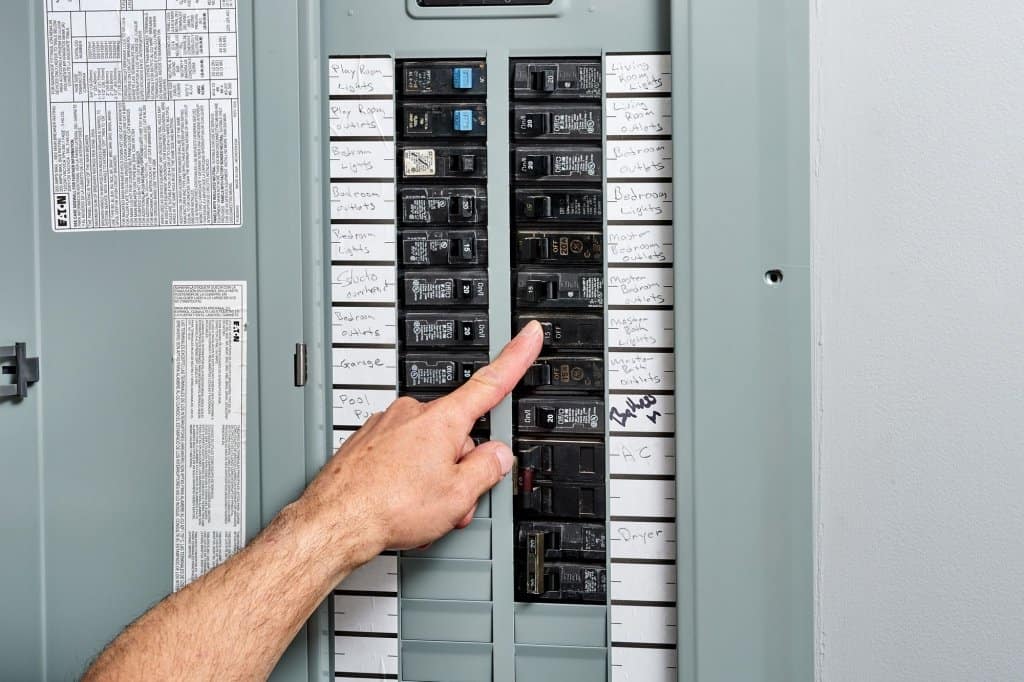
If the air conditioner is switched on, one of the other common causes for an air conditioner to stop is a tripped circuit breaker or a blown fuse. Check these are turned on and functioning properly.
In older homes, the circuit is often overloaded with too many household appliances such as fridges, ovens, and kettles, which might be to blame for tripping the fuse.
Dirty Filter or Coils
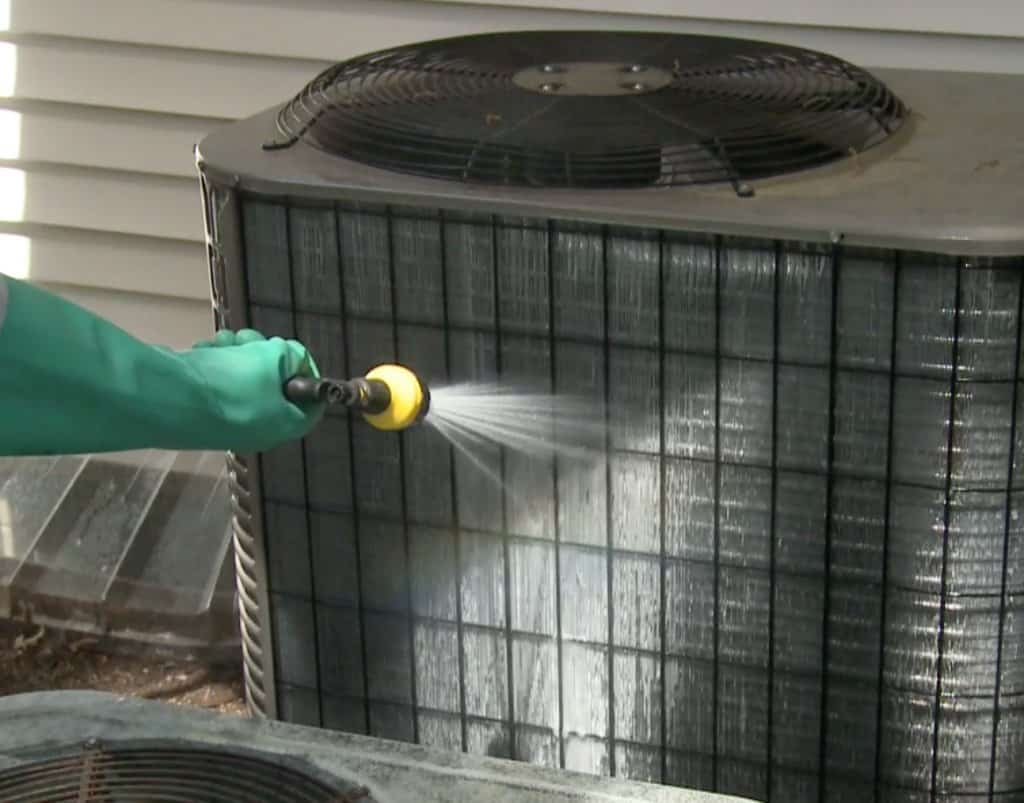
Has it been a while since you’ve replaced the filter in your A/C? It might be clogged or dirty with dust and other particles, which can prevent proper air flow. If you have pets, the air filter can get dirty even quicker.
The standard A/C system consists of two coils — the condenser coil on the outside and the evaporator located near the indoor blower. Dirty coils covered with mold and debris prevent the circulation of cold air.
Replacing or cleaning the dirty condenser coils might improve air flow and fix your air conditioning problem. This is a common solution for when your air conditioner stops working.
Dirty Compressor Area
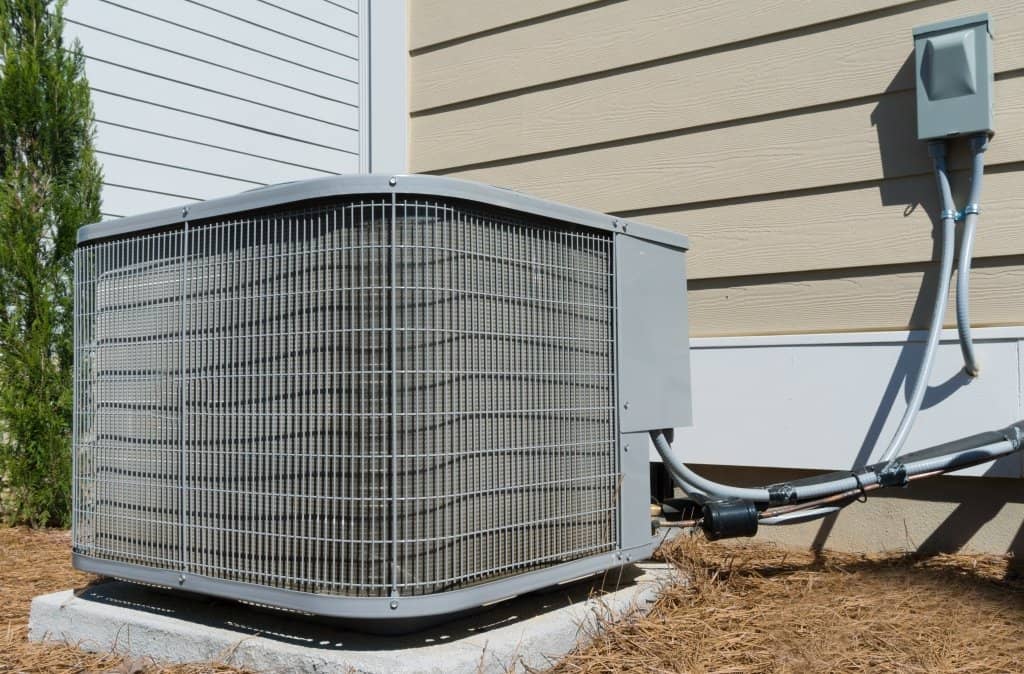
The compressor or an outdoor condenser unit is usually located at the back of the house where you don’t see it.
That’s why you might not notice when too many leaves, grass, or debris gather near the compressor outside. If your air conditioner is running, but not cooling the temperature inside, the problem could be the clogged condenser coil.
After you clear this area from all the unnecessary material surrounding the outdoor compressor, the air conditioner should be able to function efficiently again. If your system still isn’t working, it might be a sign of a bigger problem that will require an A/C repair professional.
Evaporator Coil Is Frozen
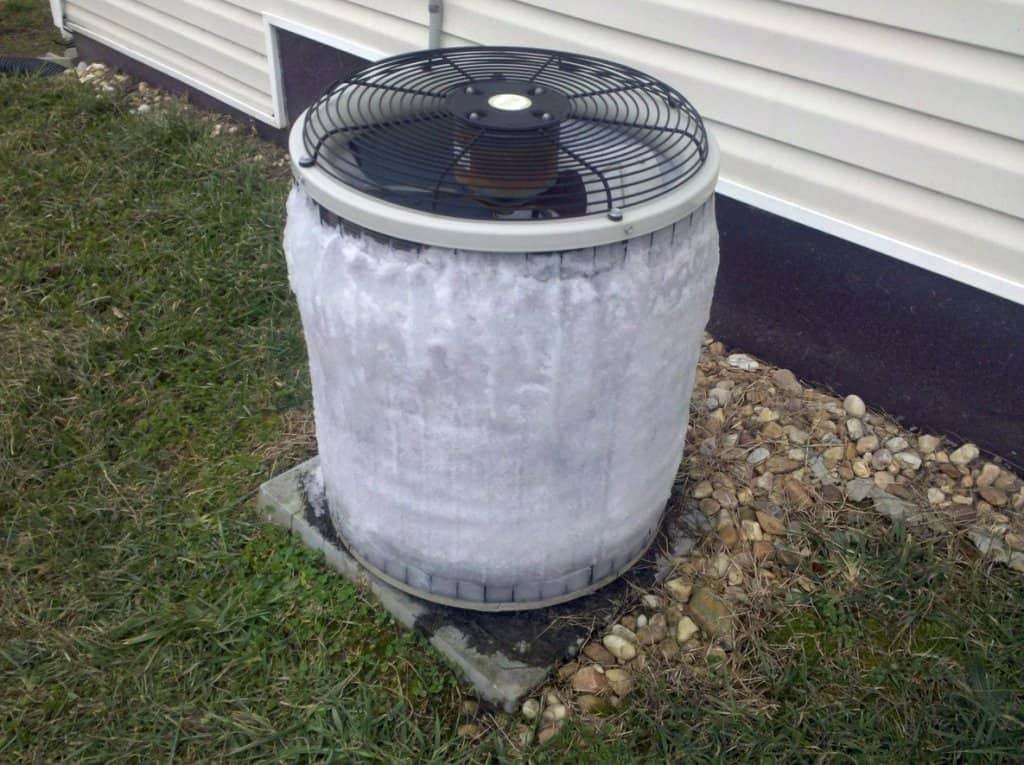
As the warm indoor air goes through the evaporator coil, the heat and humidity are removed and the air is cooled down. In some cases, the evaporator coil can be frozen and the ice build-up might cause low cooling performance.
Remove the cover in order to check whether there is any ice behind the filter, frost on top of the refrigerant, or excessive condensate drainage. A frozen coil can occur when a fan blower belt is damaged.
If you find any signs of frozen evaporator coils, an HVAC professional will be required.
Broken Compressor

As with any electrical appliance, the compressor and an air conditioner fan can wear out over long periods of time. This is very common, especially if you use your A/C every day.
If your compressor isn’t switching on, it will need to be replaced by a professional air conditioning service.
Things You Can Do To Prevent Common Air Conditioning Problems
What are the proactive steps you can follow to prevent or minimize the number of repairs your air conditioning requires?
In 2013, North Americans spent $7.2 billion USD installing or replacing central air conditioning units in their homes, according to Statistics Canada and US Federal Census data.
A lot of the time, the air conditioning problems can be caused by inadequate maintenance. Here’s our essential maintenance checklist that will reduce the number of required repairs and help keep your air conditioner working.

1. Replace or Clean Dirty Filters
Dirty filters are one of the main reasons why air conditioners stop working. Not cleaning them can also cause the breakdown of other parts, including the compressor unit.
Washable filters should be cleaned at least annually but they will benefit from more frequent cleaning. You can easily take the filters out every three to six months to check whether cleaning is needed. This will allow your A/C unit to operate at maximum efficiency before the peak summer months.
2. Install a Thermostat and Understand the User Manual
Installing new programmable thermostats will not only give you more control over the efficiency of your air conditioning but will also save you money by being more energy-efficient.
3. Clean Rubbish and Debris From Around Your Outdoor Unit
As mentioned, a clogged outdoor unit can be the cause why your air conditioning is not functioning properly. These can be often overlooked since the compressor units are usually located in the areas of the house that aren’t checked frequently.
4. Annual Maintenance With an HVA/C Expert
If you want to prolong the life of your air conditioning unit and avoid bigger, and more costly problems, it is a good idea to perform an annual maintenance check with an HVA/C expert.
He can inspect ducts, repair any holes or point out small issues that can be fixed before the more costly problems arise.
Signs That Indicate Your Air Conditioner Is Not Working Properly
Noticing an issue with your A/C unit before it fully breaks down can prevent bigger problems and expensive repairs. Here are some of the most common signs that your air conditioner is not working properly:
A/C Unit is Making Noise
Your air conditioner should be running fairly quietly. If you hear a strange noise when you turn it on, it can be an indicator of dirty air filters, parts not being fitted properly, or spare parts being the wrong size for your unit. These issues can cause a slight humming or whistling noise.
The more severe noises, like banging, are usually signs of severe problems. These can include broken fans or compressors. You should switch off the A/C immediately and bring it to the attention of air conditioning repair technicians.
Moisture In or Around the Air Conditioner
Leaks around your condenser unit indicate there is a problem. The issue can be minor, such as something blocking the tube that drains the condensation away. This is not serious but should still be fixed in order to prevent mold.
However, the water can also be indicative of a refrigerant leak. The significant water leaks indicate a serious issue and should be dealt with by air conditioning experts.
Unusual Smells Coming from Air Conditioner
A musty smell signals mold present in your air conditioning unit, which poses a serious risk to your health. A strong burning smell indicates a burned insulation system that needs to be replaced.
A/C Unit Starts to Steam or Smoke
If you can smell rubber or burning plastic accompanied by steam or smoke, it’s crucial that you switch off the unit as soon as possible to prevent further danger.
However, steam in colder months without any smell can be normal. It can be caused by the evaporation of the frozen condensation which is crucial in order to prevent ice build-up.
Increasing Humidity Inside Your Home
One of the jobs of an air conditioner is pulling humidity from the air indoors. If, however, you start noticing increased condensation and humidity in your home, this means your air conditioner isn’t working properly. While the issue can be minor, it is important to consult a professional.
When to Replace an Air Conditioner?
Conditioner repairs can be costly and time-consuming, so it’s important to recognize when your air conditioning passes its prime.
What are the main indicators that your air conditioning needs to be replaced?
Current A/C Requires Frequent Repairs
If your central air conditioning system breaks too often, the repairs can be costly. In this case, replacing the whole unit can be cheaper than waiting for it to break completely.
Current Air Conditioner is Getting Old
If your air conditioner is too old, you might benefit from an upgrade. Apart from missing out on new technology with more advanced settings, new models also have a much higher energy efficiency, which would save you money in the long run.
Over the Years, Your Electric Bills Get Higher
The reason for the increased bills might be the fact that your A/C isn’t as efficient as it should be. This should be addressed sooner than later in order to avoid wasting money.
The Bottom Line
Nowadays, most households are equipped with an air conditioner unit. And while the instances when your air conditioner stops working are probably bound to happen, they aren’t always a cause for major concern.
Many air conditioner problems can be fixed by cleaning the filter, coils or checking the thermostat.
If you discover that you might be dealing with a more serious issue, it’s best to contact air conditioner pros.