
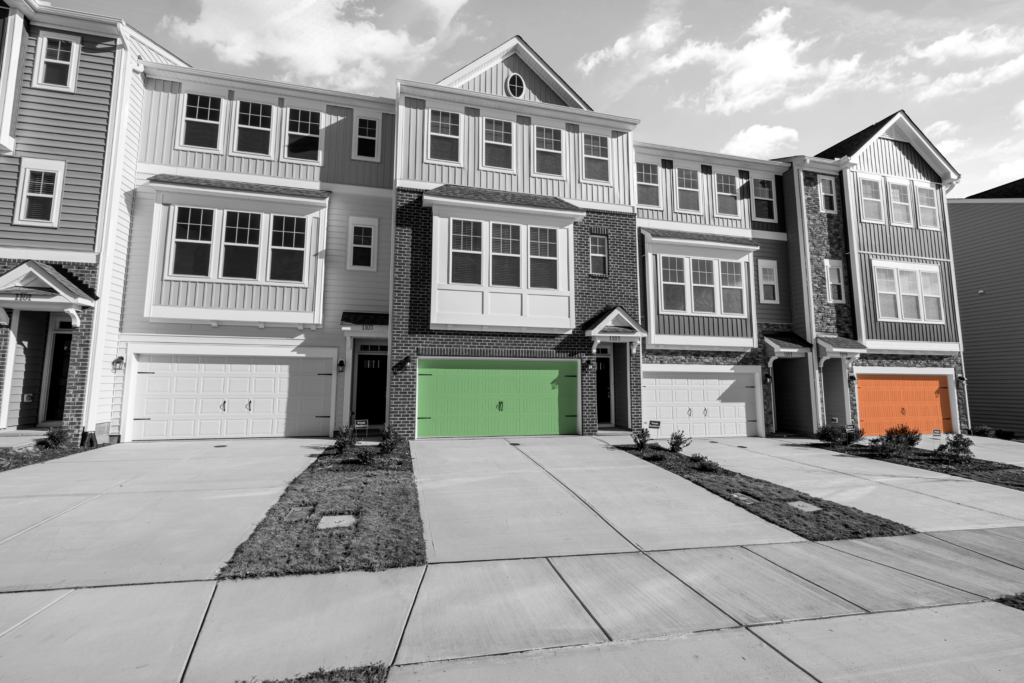
Although home prices in many areas of Canada have stabilized from the previous record-breaking growth, with an average home price of $691,299, buying a home in this country isn’t easy. When you are finally ready to make an offer on a home, it’s essential to pay attention to whether the property is freehold or leasehold.
But what is a leasehold property, and how does that affect your rights as an owner? Leasehold properties have many pros and cons, and it’s essential to understand your contract before you purchase a home.
Key Takeaways
- When you purchase a leasehold property, you own the dwelling or unit but not the land
- You may need to pay monthly maintenance fees, depending on your contract
- Getting a mortgage for a leasehold property may be more difficult
What Is a Leasehold Property Agreement?
When you buy a home with a leasehold agreement, you own the building or unit but not the land it sits on. Leasehold agreements on residential properties are more common in mobile home parks, townhomes, condos, or First Nations’ land.
Leasehold vs Freehold
In comparison, with a freehold agreement, you own both the building and land outright. Freehold ownership is typically more expensive than leasehold.
The key differences between leasehold and freehold ownership are the ownership duration, the control over the property, and the financial obligations, such as who pays for maintenance and property tax.

Leasehold vs Strata
Strata housing refers to a condo, duplex, townhouse, or single-family home where homeowners own their individual unit or house and have an ownership interest in the common areas or assets through the strata corporation. In addition, you must pay strata fees (also known as condo fees) to cover the cost of maintaining the amenities and communal areas.
Strata developments can be either leasehold or freehold.
Types of Leasehold Property Agreements
There are several different types of leasehold property agreements. The major differences between each agreement type are the length of time you have access to the land and how the contract renews.
Fixed-Term Tenancy
Fixed-term tenancy, or estate for years, is the most common type of leasehold agreement in Canada. An estate for years leasehold contract will state a start and end date. After the lease period ends, the landlord can renew, renegotiate, or terminate the agreement.
The length of a leasehold varies. The most common length is 99 years, but it can range from 40 to 999 years. It’s important to note the length of time remaining on a leasehold agreement when you purchase a property.
Periodic Tenancy
In a periodic tenancy, or estate from year-to-year lease agreement, the agreement renews automatically each year. This type of agreement typically occurs after a fixed-term agreement expires and is not renegotiated.
Tenancy at Will
A tenancy-at-will agreement occurs when no formal agreement exists between the landlord and tenant. Since there is no contract, either party can end the tenancy at any time.
Tenancy in Sufferance
Lastly, tenancy in sufferance occurs when the tenant’s right to the property has expired or been terminated, but they remain on the property. In this case, the tenant could be forcibly removed from the premises.
What Are the Key Aspects of a Leasehold Property Agreement?
Before you purchase a leasehold property, you must understand the contract’s terms and conditions. It’s smart to review the property agreement with a real estate lawyer before completing the purchase of a leasehold property. Here are some common terms and aspects of a leasehold property agreement.
Lessor and Lessee
A leasehold contract is between two parties: the lessor, who is the landowner, and the lessee, who is the tenant leasing the land.
It’s important to note that the lessee can sell their leasehold interest to another party without the landowner’s permission.
Rent Amount
The type of leasehold agreement will determine how you pay to lease the land:
- Prepaid leasehold – you will pay a one-time upfront fee that covers the entire lease term, with no monthly or annual payments
- Non-prepaid leasehold – you will pay ground rent to the landowner. This ground rent covers the use of the land for a specific period of time and may include ground maintenance, depending on the agreement. These payments may increase over time, depending on the terms of the contract
- Public leasehold – applies to leases on land owned by municipalities, universities, or First Nations. The terms of the contract will depend on the landowner
Responsibilities of Parties
The contract should outline exactly what the lessor and lessee are responsible for, particularly ground maintenance and exterior home repairs.
Restrictions
With a leasehold property, your contract may include restrictions on modifying the property, even the unit or building. In addition, subletting may require the landlord’s consent.
Renewal or Termination Terms
The contract will clearly outline the date the lease expires and the renewal or termination terms. After the expiration, the property owner can renew the lease, renegotiate the terms by raising the ground rent, or choose not to renew.
Pros of Leaseholds
- Lower upfront cost – The purchase price may be lower than a freehold property since you only own the building and not the land
- Less maintenance – Property maintenance may be taken care of by the landowner, depending on the contract
- Lower home insurance – Because you only need to insure the building and not the land, your home insurance policy may be less expensive
Cons of Leaseholds
- Less freedom – Leasehold contracts may dictate whether or not you can make changes to the home, add structures to the land, or have pets
- Might be more difficult to sell – You may have a harder time finding a buyer for a leasehold property, especially as the end of the lease nears
- Maintenance fees – Depending on the contract, maintenance fees or ground rent can add to your monthly expenses
- Mortgage – It may be more challenging to find a mortgage lender for a leasehold property
- Property value – Leasehold properties do not appreciate in value in the same way as a freehold property. Additionally, a leasehold property may depreciate in value as the end of the lease nears
Bottom Line on Buying a Leasehold Property
Buying a leasehold property may be a more affordable path to homeownership, but it comes with some drawbacks. For instance, you’ll have access to the land for a specified period. However, you need to pay lease payments, and you’ll have less freedom than freehold owners.
Be sure to seek expert advice from a real estate agent, lawyer and mortgage broker prior to purchasing a leasehold home.
Leasehold Property FAQ
What’s the difference between a lease and a leasehold?
When you lease or rent a home, you have no ownership rights and must pay rent to the owner. A leasehold property means you own the building or unit but not the land. Instead, the land is rented from the land owner.
Can you lose a leasehold property?
After the leasehold agreement expires, the land owner may choose not to renew or increase the ground rent. Some agreements contain a surrender clause stating that when the leasehold agreement ends, the building is surrendered to the leaseholder.
Does leasehold mean you own it?
If you purchase a leasehold property, you typically own the dwelling or unit but not the land. The land is leased to you as the homeowner.
Is it better to lease or own your home?
Both leasing and owning a home have advantages and disadvantages. Owning a home offers the chance to build equity and more freedom to renovate. Renting offers less responsibility and predictable monthly expenses. It’s important to consider your financial situation before you decide to rent or buy.
