Fireplaces have kept humans warm since the Middle Ages and usually performed the dual role of a heater and a place to cook food. Once placed in the middle of large halls, the rise of the single-family home meant homebuilders later moved them to center walls, where they were usually the focal point of family life. Early models were often plain and flush with the wall, while later centuries saw the development of the fireplace mantle and other embellishments.
Today, we no longer rely on a central fireplace for heating because central heating and water heating have become efficient and convenient. Modern-day fireplaces come in many designs, including rustic wood-burning brick fireplaces. A fireplace is a luxury, but it benefits homeowners.
The right type of fireplace will lower your heating bills and add interest to your home decor. To buy or build a fireplace, you need to understand the differences between various models.
What’s the Best Fireplace for You?

Before you choose your new fireplace, you must consider certain factors like:
- Safety
- Fuel source
- Installation cost
- Modification demands
These factors are essential to consider because specific fireplaces will be appropriate depending on your home and your needs. For example, if you have an existing hearth with a defunct fireplace, you have many options, including wood-burning and gas fireplaces. In contrast, you’ll be limited to gas fireplaces or electric units if you don’t have a chimney.
You should also consider the primary purpose of the fireplace. For example, if your fireplace is purely for aesthetics, you have many options. On the other hand, if you want to use your fireplace as a secondary heat source during a power outage, you’ll need to choose one that doesn’t require electricity and has enough output to heat your home adequately.
Common Types of Fireplaces
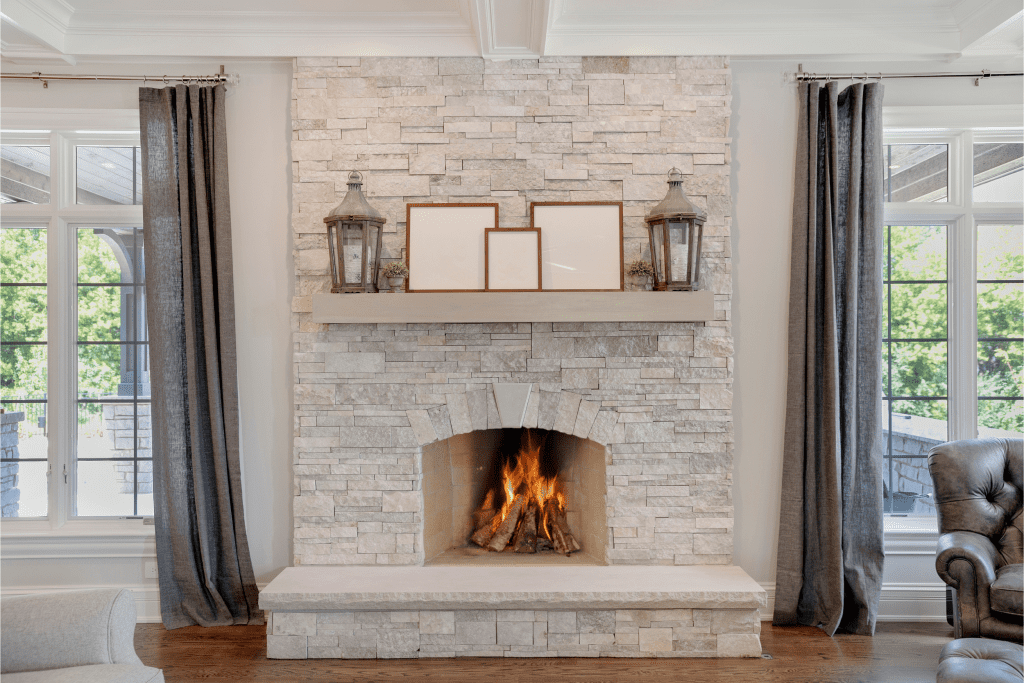
The most common fireplace types include:
- Open hearth wood fireplace: Common in older homes, these traditional models serve as an eye-catching design element. They produce bright, warm fires that draw people who love the sound and smell of burning wood. These fireplaces also require the most maintenance, produce the most indoor pollutants, and provide the least efficient heat. Finally, these old-style fireplaces are also a fire risk. As a result, your home insurance might increase if you have one installed.
- Electric fireplace: An electric fireplace mimics the look of a wood fireplace but depends on electric resistance coils and a fan to provide heat. Most come with a “flickering flame” to make them look more authentic. They are affordable and easy to install, although they provide less heat than most other models.
- Direct vent gas fireplace: Gas fireplaces are an excellent choice if you are looking for affordability and energy efficiency. They can be installed in existing fireplaces to give an authentic look and experience. A vented gas fireplace loses some heat in the ventilation system and, while generally safe, can emit some carbon monoxide. Safety detectors are recommended.
- Ventless gas fireplace: These models are freestanding, so they do not rely on a ventilation system. That means they provide more warmth and less waste, although some people find them less aesthetically pleasing, and there are some concerns about the ventless system discharging fumes into your home.
- Wood stove: Wood stoves are small freestanding devices with a flue that vents through the wall or ceiling. They are much more efficient than open wood fireplaces, and some European models can be sleek and decorative.
- Wood inserts: These are self-contained units that efficiently burn wood while fitting inside your existing fireplace. These units are an excellent choice if you have an existing open hearth fireplace that needs renovation.
- Outdoor fireplaces and pits: These outdoor models include wall-mounted models, open hearths, and fire pits. These fire sources allow people to enjoy outdoor gatherings when the temperatures drop at an affordable price and can be electric, wood, or gas-burning.
Fireplace Costs: Electric vs. Gas vs. Wood-Burning

Gas vs. electric fireplace costs vary widely. You can find electric fireplaces and inserts from approximately $400 to $1,500. Gas fireplaces and inserts are more expensive, ranging from $600 to $1,800 and require professional installation.
You can purchase a wood-burning stove near the same price range, but installing a wood-burning fireplace will be much more expensive because it requires masonry work. The price for that construction can easily be near $10,000 or more if you don’t already have a chimney.
Remember, wood-burning hearth fireplaces require a good deal of maintenance, which adds to their cost. They need professional cleaning to prevent creosote build-up — a severe fire hazard.
Where to Buy a Fireplace
In most instances, you can buy self-contained electric models and inserts at large chain stores and install them yourself. You can pay more for installation from these retailers, but you might opt for companies specializing in fireplaces. They can offer you better advice on the type and size of the unit that will work best in your home.
You should choose a company specializing in fireplaces to install a gas model or gas insert. When installed correctly, they are safe, but do-it-yourself efforts can be problematic. Gas leaks are always dangerous.
The same goes for wood stoves and fireplaces. You want to ensure that the placement and installation are safe and reduce fire hazards.
How to Have a Fireplace Installed
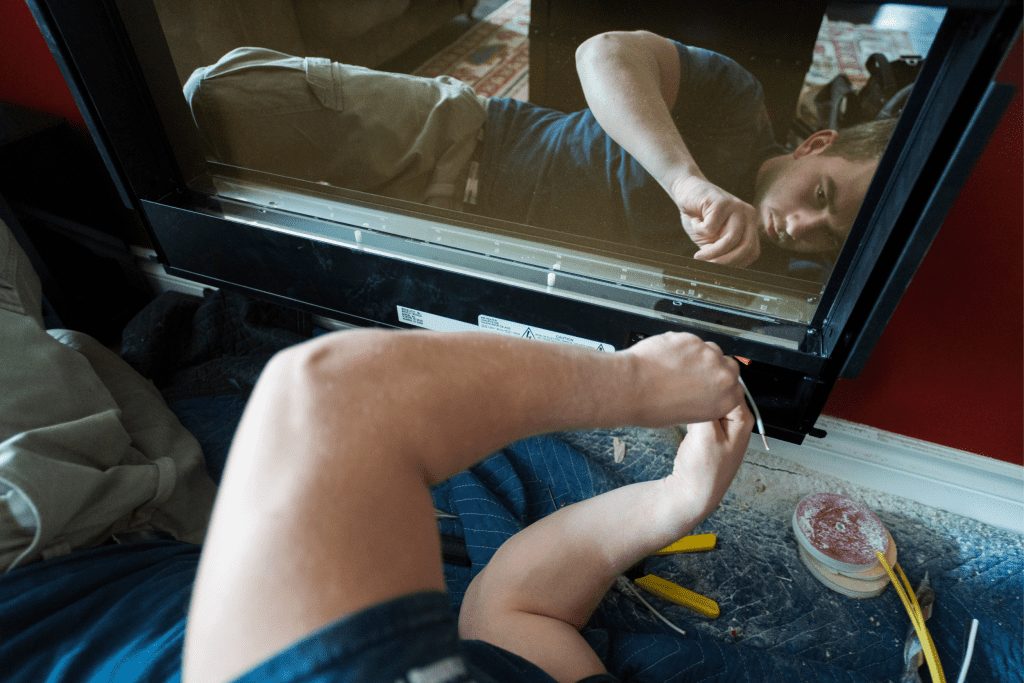
Fireplace installation requires meeting Canadian regulations. For instance, you will need a WETT inspection before your insurance company covers your home. WETT, or Wood Energy Technology Transfer, covers all elements of wood-burning appliances and their venting systems, including chimneys, dampers, hearths, and floors. In addition, some sites and provinces require fire code inspections and impose building regulations.
How to Maintain Your Fireplace
Regarding gas vs electric fireplaces, your gas model will need a yearly inspection to ensure it is safe. Both types will require regular cleaning to keep them looking good and working efficiently.
Wood-burning fireplaces require annual cleaning and inspection and chimney and flue repairs. A professional should take care of the cleaning to ensure your fireplace is not a fire hazard.
Conclusion
In Canada, fireplaces offer a cozy place to gather during the cold, dark winters and help reduce your heating costs. Although traditional hearth fireplaces are beautiful and enticing, they are inefficient. You should consider cost, safety, and aesthetics when considering gas vs. electric fireplaces. Gas and electric fireplace inserts can make your old fireplace the most cost-effective heating source.
Consider consulting a professional before buying to find out what type of fireplace will work best in your home and your budget. You have many good choices, so an expert opinion will save you time and money.